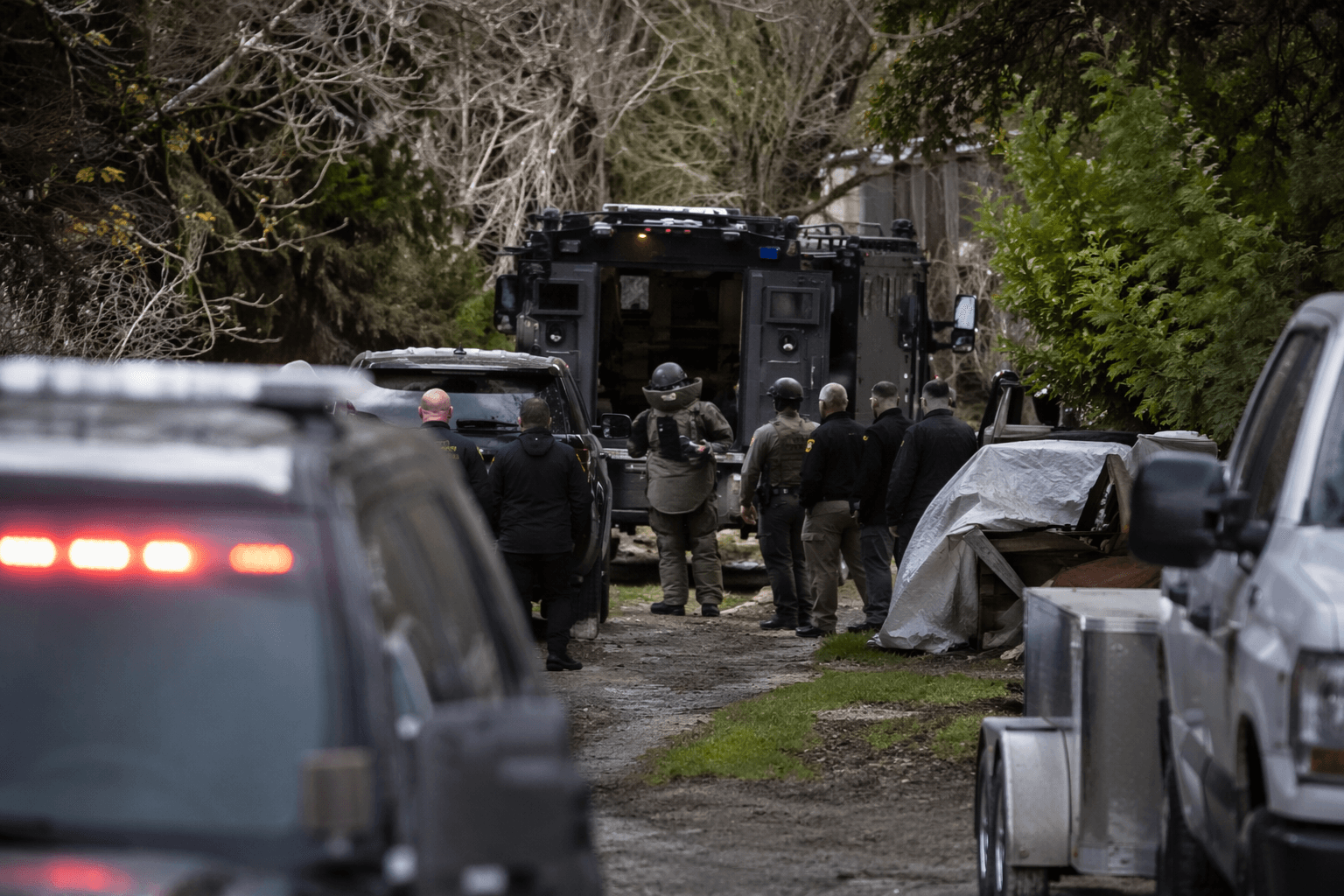
Strong winds and rain knocked out power for thousands across Humboldt County
Severe winds and heavy rain on December 24 toppled trees and power lines, leaving about 12,000 PG&E customers without service across Humboldt and Mendocino counties, with concentrated outages in Fort Bragg, The Sea Ranch, Caspar, Point Arena and parts of Eureka. The outages highlighted preparedness measures taken by the utility and county, the limitations of restoration during hazardous conditions, and broader questions about infrastructure resilience and community emergency response.
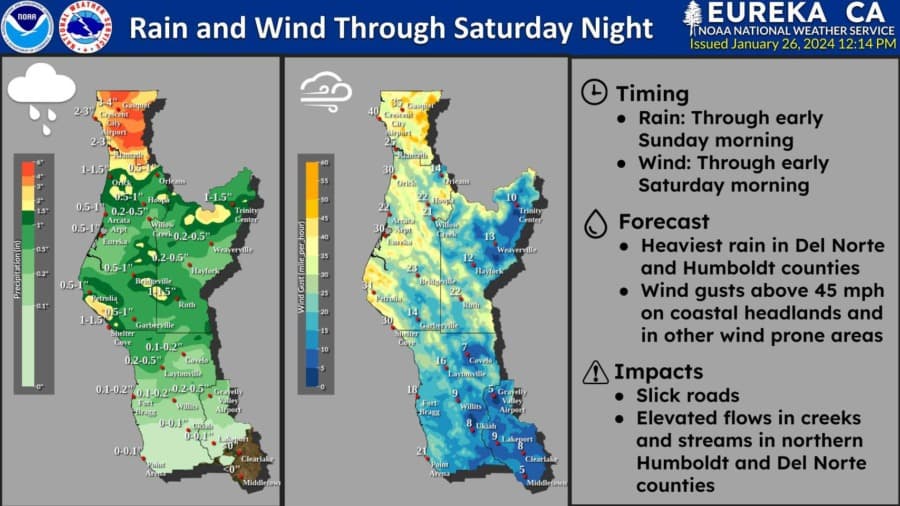
Strong winds and rain struck the North Coast on December 24, bringing widespread outages when fallen trees and vegetation made contact with power lines. PG&E reported about 12,000 customers without service across Humboldt and Mendocino counties that morning, with large clusters in Fort Bragg, The Sea Ranch, Caspar and Point Arena. Portions of Eureka also lost service though crews were able to restore some lines early during a lull in the storm.
Utility and county officials said crews had been prestaged in the region and additional transformers and poles were sent in advance, with Redwood Acres in Eureka serving as a staging area for equipment and crews. Despite those preparations, officials cautioned that restoration schedules depended on safe access to damaged sites and that another round of high winds was forecast, potentially delaying repairs.
The National Weather Service had issued High Wind Warnings and Advisories for several North Coast counties, and both utility and county authorities warned residents that restoration times could be extended if crews faced unsafe conditions or additional storms. County leaders urged people to report outages and take safety precautions as crews continued working through the Christmas holiday.
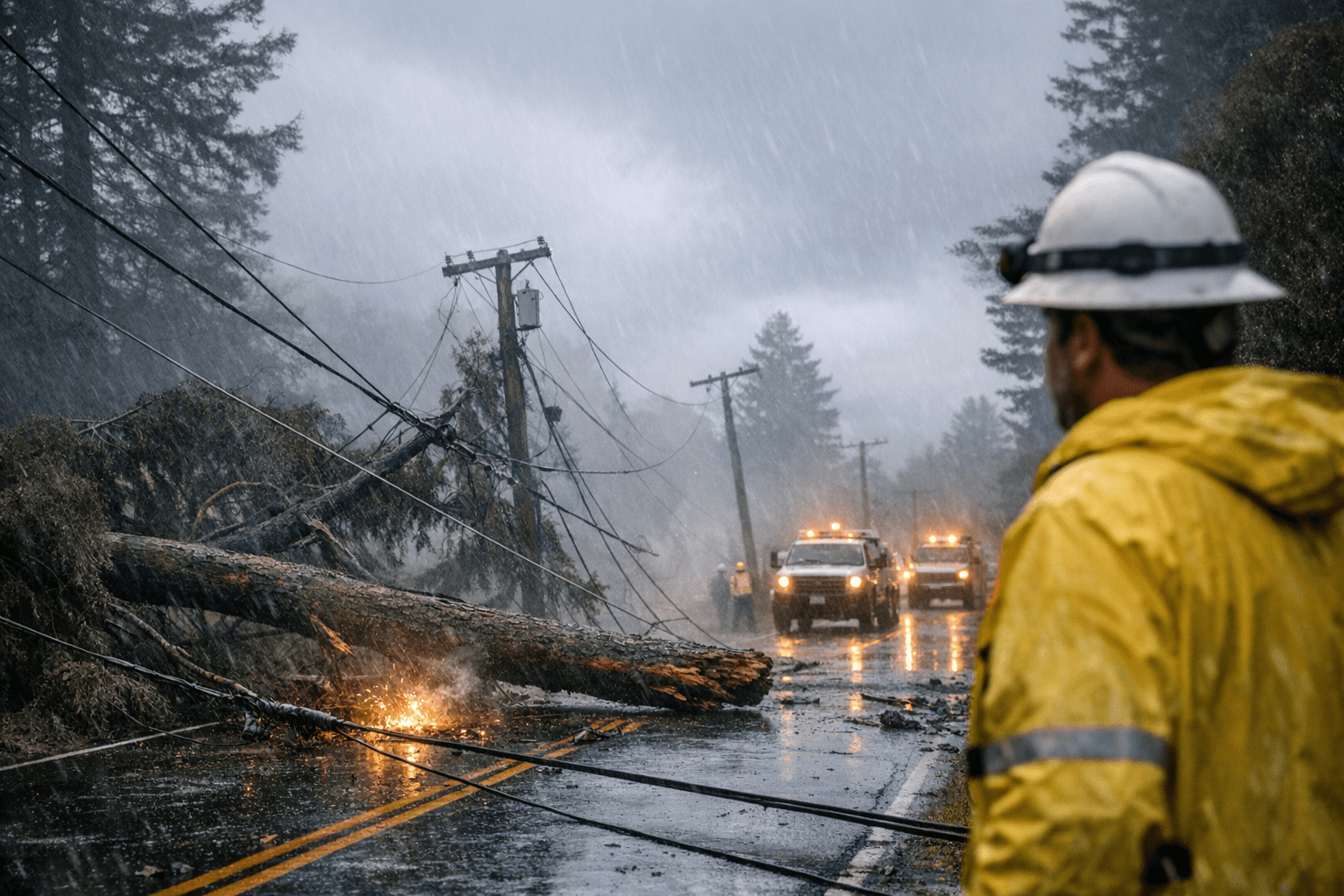
For Humboldt County residents the immediate impacts were practical and varied. Coastal communities experienced prolonged dark and cold conditions that affected small businesses, medical equipment reliant on electricity, and traffic safety where signals or street lighting were out. Fallen trees created localized road closures that complicated access for emergency responders and utility crews. The concentration of outages along parts of the coast underscored the challenges of restoring service in sparsely populated or heavily vegetated corridors where access and logistics slow work.
The event also raises policy questions for local governance and utility oversight. Pre staging of crews and inventory showed investment in preparedness, but reliance on weather dependent access highlights the need for continued attention to vegetation management, grid hardening and coordination among county emergency services, utilities and community organizations. Public trust in restoration processes and in elected officials can influence civic engagement on utility regulation and emergency planning. Residents who experienced outages are likely to expect clearer information on priorities for restoration and transparent timelines from both the utility and county.
As conditions stabilized, officials continued to ask people to report outages through PG&E channels and to avoid downed lines. The storm reinforced the need for personal preparedness, neighborhood coordination and sustained public discussion about infrastructure resilience as the region faces increasingly volatile weather.
This article was produced by Prism’s automated news system from verified source data, official records, and press releases, then run through automated quality and moderation checks before publishing. The system is built and supervised by the people who set the standards it runs under. Read our full AI policy.
Did this article answer your question?