Sue-meg State Park packs coast, culture and wildlife into one mile
Sue-meg condenses North Coast cliffs, tide pools and a living Yurok cultural site into one square mile. If you have two hours, it still rewards a careful, respectful visit.
Sue-meg State Park compresses a lot of Humboldt County into a single mile of coastline. About 30 miles north of Eureka, the 625-acre park folds together Agate Beach, headlands, sheer cliffs over the Pacific Ocean, a visitor center, a native plant garden and a reconstructed Yurok village, all in one compact stop.
That density is what makes the park so useful for a short day trip. You can see the ocean, walk through coastal forest and meadow, look for agates and tide pools, and still spend time with the park’s cultural story without driving from one site to another. The park’s own pronunciation guide, “soo-may,” also matters in a place where the name itself reflects the Yurok language and the restoration of a long-used Indigenous place name.
Why Sue-meg works as a one-stop coastal outing
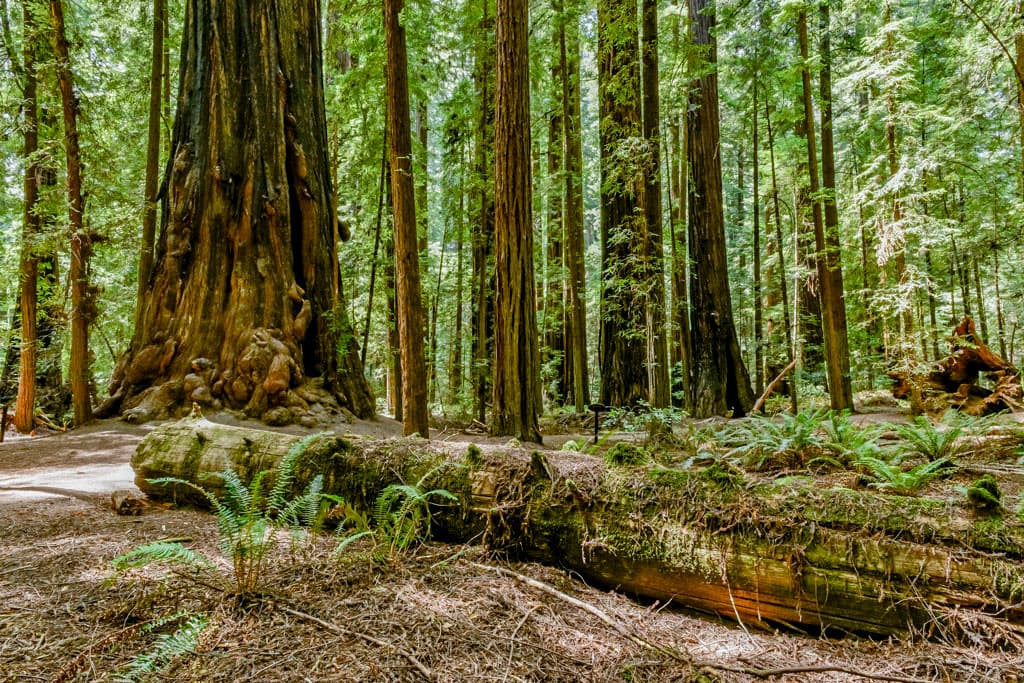
Sue-meg is not a broad, generic beach day. California State Parks describes it as a one-square-mile day-trip option packed with tide pools, seals, sea lions and migrating whales visible from perimeter trails. That combination gives the park a rare range for such a small footprint: the exposed shoreline is one draw, but the headlands, cliffs and plant communities add a second layer, and the cultural sites add a third.
For visitors hosting friends or relatives, that matters. One stop can deliver the classic North Coast experience without spending the whole day in the car. The park’s compact layout also makes it easy to explain why the place stands out from other Humboldt beaches: the geology, wildlife and Yurok history are not separate attractions here. They occupy the same ground.
If you only have two hours, focus on this
Start at the visitor center, then move to the perimeter trails before heading down to Agate Beach. The trails are the best place to take in the cliffs above the Pacific and scan for seals, sea lions or migrating whales, while the beach gives you the best shot at tide pools and agates.
A practical two-hour visit looks like this:
- Begin at the visitor center to get oriented and pick up the park’s current safety and interpretive information.
- Walk the perimeter trails for the broadest view of the headlands, ocean and wildlife.
- Spend time at Agate Beach for tide pooling and a closer look at the shoreline.
- Leave space for the native plant garden or a stop near the reconstructed Yurok village if you want the cultural setting to be part of the visit, not an afterthought.
The park is open for day use from sunrise to sunset. The visitor center is open May through September daily from 10 a.m. to 4 p.m., and October through April Wednesday through Sunday from 10 a.m. to 4 p.m. That schedule makes morning and early afternoon the easiest windows for a short visit, especially if you want the visitor center open when you arrive.
The Yurok story sits at the center of the park
Sue-meg’s strongest distinction is not just the view. It is the fact that the park sits within the traditional lands of the Yurok people, and the name “Sue-meg” has been used by Yurok people to describe the area since time immemorial, according to California State Parks. The Yurok Tribe formally requested the name change in January 2021, and the California State Park and Recreation Commission unanimously approved the renaming on September 30, 2021.
That decision was not cosmetic. The Tribe called the approval “genuinely historic,” and the state publicly thanked the Yurok community for its role in restoring the name. The park was acquired in 1930 and designated a state park in 1963, but the renaming made the public identity of the place line up more closely with the history that came before the state park era.
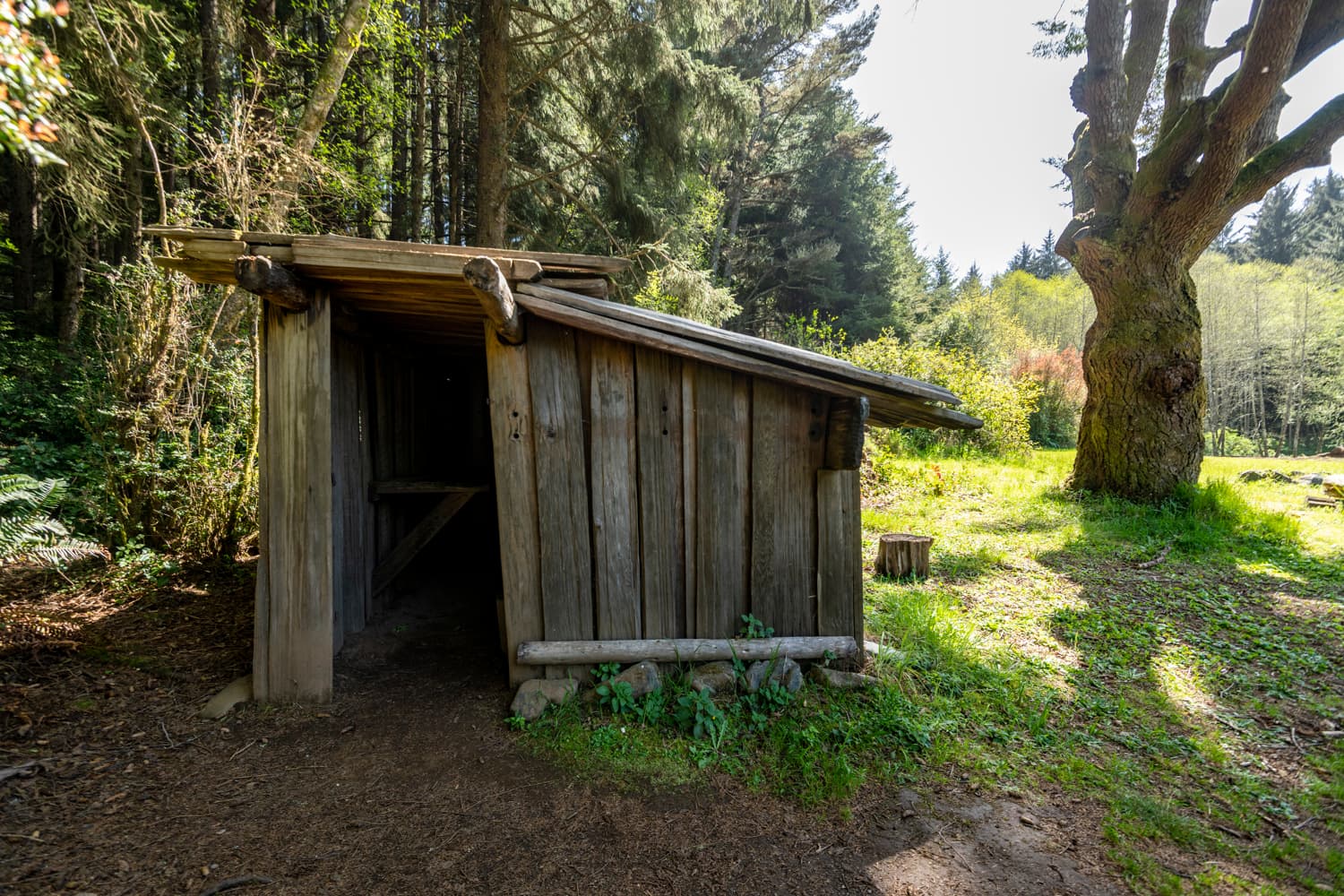
The cultural center of that story is Sumêg Village, which was planned and built in the 1990s by Yurok people working with park staff. The village includes traditional Yurok family houses, a sweathouse, changing houses, a redwood canoe and a dance house. State Parks says the site is used for education, ceremony, healing and youth cultural revitalization, with Native-descendant interpreters offering programs there and yearly celebrations and school visits taking place on the site.
That makes the village much more than a display. It is an active place where Yurok culture is practiced, taught and renewed. For a visitor, that changes the experience of the park: the reconstructed buildings are not simply historic replicas to look at quickly, but part of a living cultural landscape.
What to notice beyond the postcard view
The shoreline is only part of the story. Sue-meg’s official materials point to temperate rainforest vegetation, native plant communities and the changing conditions of the coast, from calm stretches to sneaker-wave risk. The park also sits in a tsunami zone, so tide awareness and shoreline caution are not optional extras. They are part of visiting responsibly.
Dogs are restricted on beaches and trails, another detail that matters if you are planning a family outing or bringing visitors with pets. The park’s guidance is explicit because the place is small, busy and environmentally sensitive. Respecting those limits helps protect both the cultural sites and the wildlife that make the park so distinctive.
There is also ongoing stewardship work underway. California State Parks says archaeologists and Yurok tribal members have been surveying and evaluating cultural features within the park as part of a potential Traditional Cultural Property nomination to the National Register of Historic Places. That effort underscores a simple truth about Sue-meg: it is not a frozen attraction. It is a living coastal landscape that is still being interpreted, protected and defined in public view.
For Humboldt County residents, that is what makes Sue-meg so easy to recommend and so hard to reduce to a single category. It is a beach, a wildlife overlook, a cultural site and a place of continuing Yurok presence, all within one compact mile.
This article was produced by Prism’s automated news system from verified source data, official records, and press releases, then run through automated quality and moderation checks before publishing. The system is built and supervised by the people who set the standards it runs under. Read our full AI policy.
Did this article answer your question?