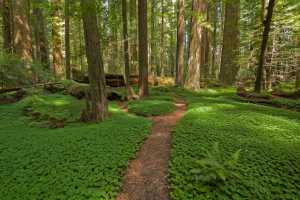
Temperate Rainforest Debate Returns, Experts Warn Against Timber as Carbon Strategy
An EcoNews Report episode released December 20 featured environmental journalist Paul Koberstein to examine the ecological value of old coastal forests, including Humboldt County redwoods. The discussion highlights growing concern that proposals to harvest timber as a so called carbon storage strategy risk greenwashing climate policy and carry real implications for local conservation, biodiversity, and the forest economy.
On December 20 an EcoNews Report episode centered on the temperate rainforests of the Pacific Northwest and included a conversation with environmental journalist Paul Koberstein, author of Canopy of Titans. The program focused on the ecological role of older coastal forests, the carbon sequestration benefits they provide, and recent proposals that would harvest standing timber under the premise that doing so contributes to carbon storage. Critics on the program described those proposals as greenwashing and urged careful scrutiny of market and policy designs that would treat logging as climate mitigation.
For Humboldt County residents the episode underscored a number of local stakes. Older redwood stands store carbon in large pools of biomass and soil and support distinct patterns of biodiversity that younger managed forests do not replicate. Policy choices that change management priorities can alter these carbon and biodiversity outcomes for decades, with implications for local conservation values, recreation and tourism, and community resilience to climate stresses.
The discussion also framed the local debate within broader climate policy and market dynamics. Carbon accounting rules and voluntary carbon markets can change incentives for landowners and industry. If market rules allow timber harvests to count as equivalent or superior to preserving old growth, those incentives could shift investment and management practices in ways that put standing carbon and ecological complexity at risk. The episode highlighted pressure from some industry and policy actors to expand such practices, while conservation advocates and many scientists push for recognition of intact old forests as high value carbon and biodiversity assets.
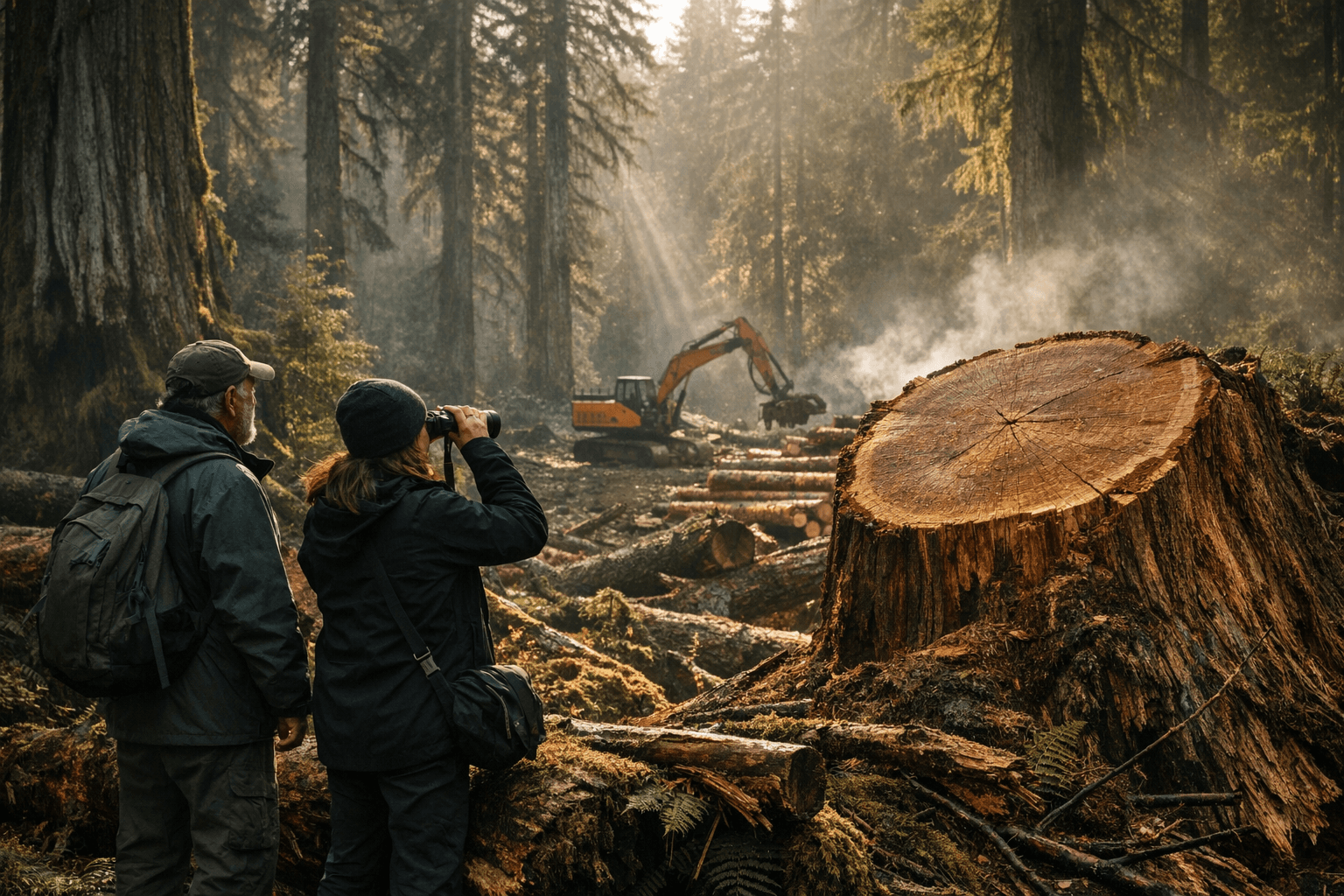
For local policymakers and residents the takeaway is practical. Decisions made by county officials, timber managers and state regulators will influence whether Humboldt County prioritizes intact forest conservation or adopts models that rely more heavily on active harvest framed as storage. Public engagement in local planning, landowner outreach and climate policy discussions will shape those outcomes. The EcoNews conversation recommended community attention to forest stewardship topics and vigilance about how carbon strategies are defined and implemented.
This article was produced by Prism’s automated news system from verified source data, official records, and press releases, then run through automated quality and moderation checks before publishing. The system is built and supervised by the people who set the standards it runs under. Read our full AI policy.
Did this article answer your question?