USDA Moves to Intervene in Potter Valley Dam Removal, Raising Stakes
On December 19, the U.S. Department of Agriculture filed a motion to intervene in Federal Energy Regulatory Commission proceedings over PG&E's surrender of license and dam removal plan for the Potter Valley Project. The move pits federal agricultural interests against proponents of dam removal and could delay plans that affect water supply in the Russian River basin and fish recovery in the Eel River.
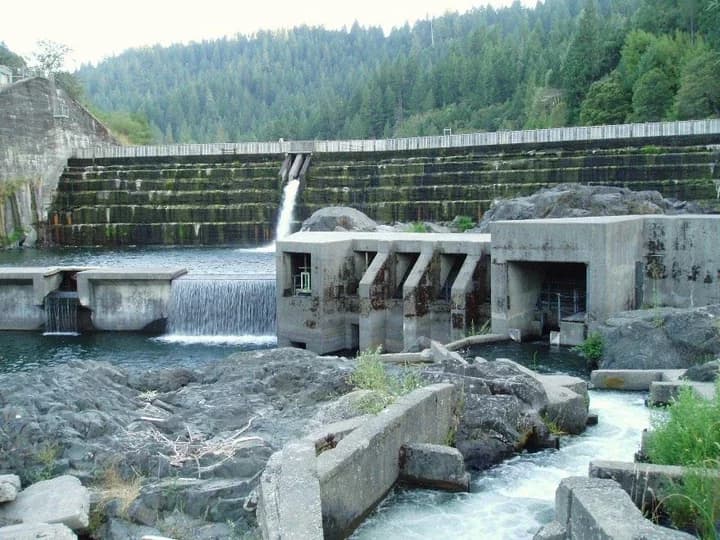
The USDA filing lodged with FERC on December 19 seeks to intervene in the proceedings surrounding PG&E's planned surrender of license and removal of two dams on the Eel River as part of the Potter Valley Project. The motion asks FERC to halt or alter the decommissioning process, a request that comes after sustained advocacy from agricultural groups in the Russian River basin that rely on water diverted from the Eel.
The dispute sets two competing visions for the future of the Project. Supporters of dam removal, including the Round Valley Tribes, Sonoma Water, California Trout, and Humboldt County participants in earlier agreements, have backed a plan that pairs dam removal with a two basin solution that would retain limited diversion infrastructure. Opponents, comprised principally of farm interests and some local governments, seek continued diversion capacity to protect existing water supplies for agriculture and local economies.
Conservation groups have warned that federal intervention could slow or derail removal, undermining timelines for fish recovery and habitat restoration. Representative Jared Huffman and other local officials have criticized what they describe as political interference in a regulatory process long governed by FERC and stakeholders negotiating settlement terms. The USDA motion was posted to the FERC docket on December 19 along with supporting documents that frame the department's interest in agricultural water reliability.

Policy implications are widespread for Humboldt County and the North Coast. A delayed decommissioning could prolong uncertainty for salmon and steelhead recovery efforts on the Eel River, preserve infrastructure that impedes fish passage, and extend regulatory and legal battles that increase costs for ratepayers and landowners. For growers in the Russian River basin, the filing reflects the enduring tension between basinwide water management and ecological restoration objectives. Institutionally, the case raises questions about the appropriate role of federal agencies in FERC licensed relicensing and surrender proceedings, and whether new interventions will prompt additional evidentiary hearings or appeals.
Local residents and officials will want to follow the FERC docket and forthcoming procedural schedules closely, as the outcome will shape water allocation, habitat recovery, and regional governance for years to come.
This article was produced by Prism’s automated news system from verified source data, official records, and press releases, then run through automated quality and moderation checks before publishing. The system is built and supervised by the people who set the standards it runs under. Read our full AI policy.
Did this article answer your question?