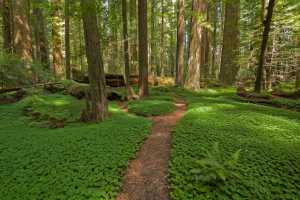
Volunteers to Restore Yellow Bush Lupine at Humboldt Dunes After Prescribed Burn
Volunteers will remove invasive yellow bush lupine at Ma-le’l Dunes to protect dynamic coastal habitat after a recent prescribed burn, an effort that preserves native dune plants and community access.
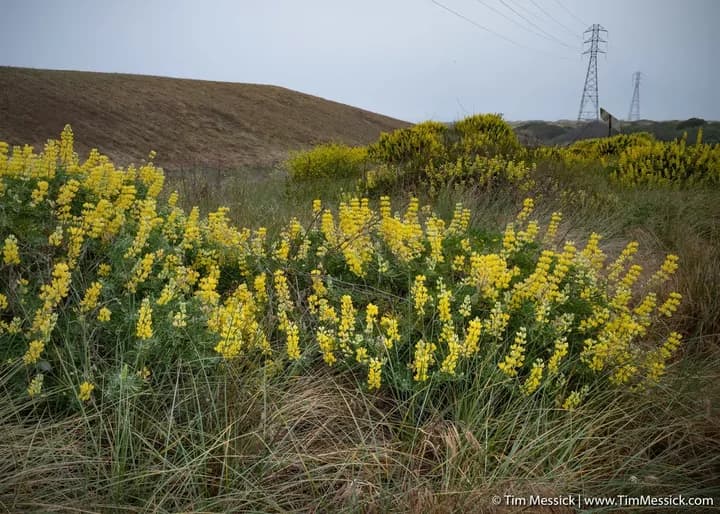
Volunteers from Friends of the Dunes and local groups will gather at the Ma-le’l Dunes North parking lot on Saturday, February 24 from 9:00 a.m. to 12:00 p.m. to remove non-native yellow bush lupine (Lupinus arboreus) from the Lanphere Dunes Unit. Organizers say gloves, tools, training, snacks and coffee will be provided; participants should wear closed-toed shoes, bring drinking water and a mug, and carpool when possible.
The removal effort follows recent land-management activity in the region that produced visible smoke near Arcata, and arrives amid decades of community work to keep the North Spit’s dunes dynamic and hospitable to native plants. Yellow bush lupine, which can grow up to 6 feet tall and flowers in Humboldt County between late January and April, alters dune ecology by fixing nitrogen, creating shade and moisture, and accelerating the establishment of invasive grasses and coyote brush. Those effects lead to over-stabilization of shifting sands and crowd out the low, short-lived plants that define local dune habitat.
The species has a long local history. Evelyn McCormick’s historical account records a lighthouse keeper family bringing seeds from the Presidio in San Francisco and planting them around the north spit signal on July 1, 1908. A decade later, seeds collected from those plantings were deployed along railroad tracks to stabilize sand during jetty construction; Friends of the Dunes adds that five women hired by the Army Corps of Engineers planted seeds along the rail line when it was used to transport rock for the north jetty. A separate anecdote in the historical record describes a Manchester dairyman who obtained seeds in San Francisco and planted them around his dairy.
Control work has relied on persistent manual labor. Small plants are pulled up with their deep taproot; larger shrubs are chopped at the base, piled, dried and burned. Organizers caution that lupines maintain long-lasting seed banks, so removal must be sustained to prevent re-establishment. Past chopping-and-piling campaigns have produced “slow but steady” progress, and community volunteer events have been a long-running feature of dune stewardship; local postings describe the Lupine Bash as an annual tradition stretching for decades.
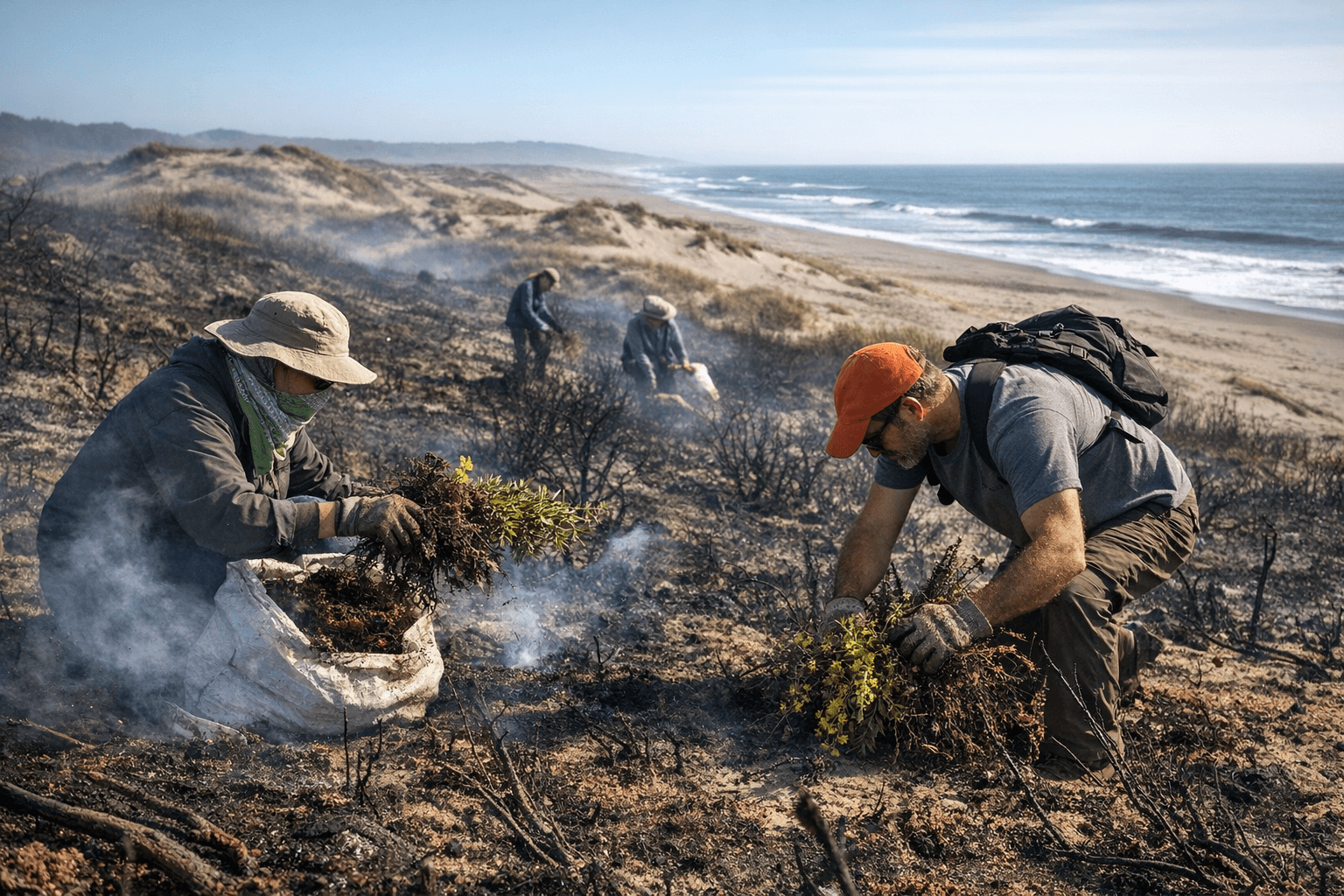
Andrea Pickart, ecologist with the Humboldt Bay National Wildlife Refuge Lanphere Dunes Unit, described the work as “just a more passive restoration approach.” Pickart added that “Lupine bashers continue to move into new areas in the unit, Pickart said, and within another 10 years, the area could be rid of yellow lupine altogether.”
For Humboldt County residents, the event is both a hands-on chance to protect public dunes and a reminder that local ecosystems reflect long human footprints. Removing lupine helps preserve habitat for native dune species, reduces the spread of invasive grasses, and keeps beaches and trails shaped by natural sand movement. Those who cannot attend on February 24 can contact Friends of the Dunes or the refuge for future volunteer opportunities and guidance on safe, effective removal techniques.
This article was produced by Prism’s automated news system from verified source data, official records, and press releases, then run through automated quality and moderation checks before publishing. The system is built and supervised by the people who set the standards it runs under. Read our full AI policy.
Did this article answer your question?