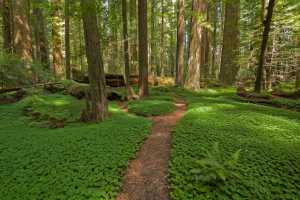
Wailaki Practitioners Plan Cultural Burn on 28 Acres Near Piercy
Wailaki practitioners burned 28 acres of Redwood Forest Foundation land near Piercy, opening a five-year plan to push back Douglas-fir encroachment along the South Fork Eel corridor.
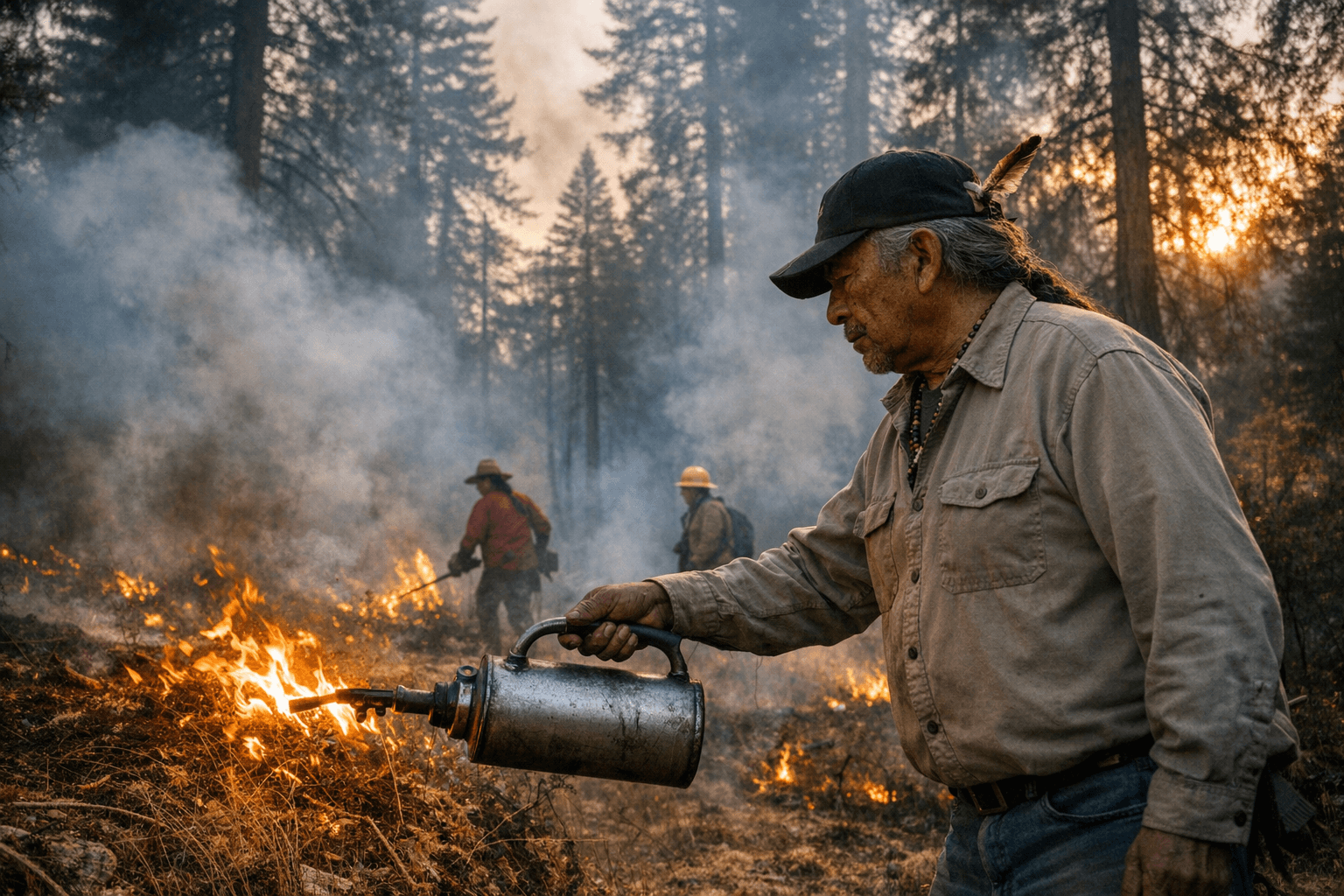
Smoke rose over oak woodland just west of Piercy around 10 a.m. Sunday as local Wailaki cultural-burn practitioners set fire to 28 acres of Redwood Forest Foundation land in the opening phase of a five-year stewardship effort targeting the South Fork Eel corridor.
The burn addressed a specific and measurable ecological problem: a century of fire suppression has allowed young Douglas-fir to push into meadow, mature oak, and hardwood habitat across the parcel, reducing biodiversity and accumulating the fine fuels that feed catastrophic wildfire. Sunday's burn targeted both the fuel load and the plant-community shift at once.
Cultural burning and agency-managed prescribed fire share fire as the tool but differ fundamentally in who holds the knowledge. Standard prescribed burns are typically agency-designed and centered on fuel reduction, governed by regulatory weather windows and air-quality permits. A cultural burn puts Indigenous practitioners in the decision-making seat: they define the objectives, read the landscape and the season, and determine where and how the fire moves. Sunday's burn paired that Wailaki traditional knowledge with multi-agency logistical support, including area volunteer fire departments, CAL FIRE personnel, and Humboldt County Prescribed Burn Association members maintaining the perimeter.
Neighbors and anyone traveling near Piercy were advised to expect smoke through Sunday evening. Light residual smoke could linger until wetting rains, forecast to arrive early in the week, push through the area. The immediate burn site was closed to the public. The North Coast Unified Air Quality Management District monitored air quality under protocols coordinated through SB 310, California's public-notice requirement for prescribed burns.
The Humboldt County Prescribed Burn Association, alongside organizations including Native Health in Native Hands and Trees Foundation, has been building cultural-burn capacity across the region by combining Indigenous fire stewardship with modern safety infrastructure. But the five-year stewardship plan, as publicly described, leaves specific accountability benchmarks unstated. How many acres will be treated per burn cycle? How frequently will fire return to the parcel? What ecological markers, such as oak canopy recovery rates or Douglas-fir removal thresholds, will signal success? Those numbers, if published, would give the South Fork Eel community a concrete way to measure whether the five-year commitment delivers on its promise.
This article was produced by Prism’s automated news system from verified source data, official records, and press releases, then run through automated quality and moderation checks before publishing. The system is built and supervised by the people who set the standards it runs under. Read our full AI policy.
Did this article answer your question?