Winter Hiking in Humboldt County - Top Trails, Safety, and Equity
Humboldt County offers winter hiking that showcases coastal vistas, redwood groves, and wetlands with fewer summer crowds, but storms, king tides, slick trails, and spotty cell service raise safety concerns. This guide lists seven winter-friendly local routes, explains hazards and resources, and highlights public health and access implications for residents.
Winter is prime time for cool-weather walks in Humboldt County, when coastal views, redwood cathedrals and quieter wetlands are on full display. Short outings close to town can provide regular low-impact exercise and mental health benefits, while longer, remote routes demand advance planning and experience because winter storms and tides frequently change conditions.
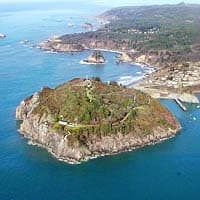
Short coastal hikes include the Trinidad Head Loop, a compact route above the harbor that delivers spectacular ocean vistas but requires windproof layers and sturdy shoes because of slick rocks and high winds. Clam Beach and the Mad River Slough in McKinleyville offer flat beach and dune terrain ideal for brisk walks and birdwatching, though king-tide flooding can affect access in winter. The Hammond Trail between Eureka and Samoa is a flat, bay-side corridor popular with walkers and bikers; winter tides and strong winds make dressing in layers essential.
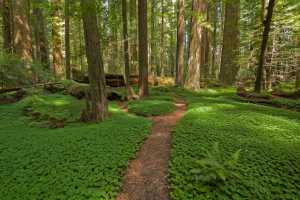
Redwood-area options provide shelter and dramatic scenery. The Arcata Community Forest loop is a network of trails near town well suited to rainy-day walks, with muddy sections where waterproof boots are recommended. Trillium Falls and the Prairie Creek trails offer redwood cathedral views and waterfalls; these routes can be muddy and busy, so arriving early and bringing traction for icy patches improves safety. Near Ferndale, a stroll down the preserved Victorian Main Street paired with short Fern Canyon side trails creates an easy, family-friendly winter outing.
For experienced hikers seeking rugged solitude, sections of the Lost Coast Trail remain spectacular in winter but are remote and changeable; choose short out-and-back sections, check tides and weather, and avoid attempting a long thru-hike during winter without experience.
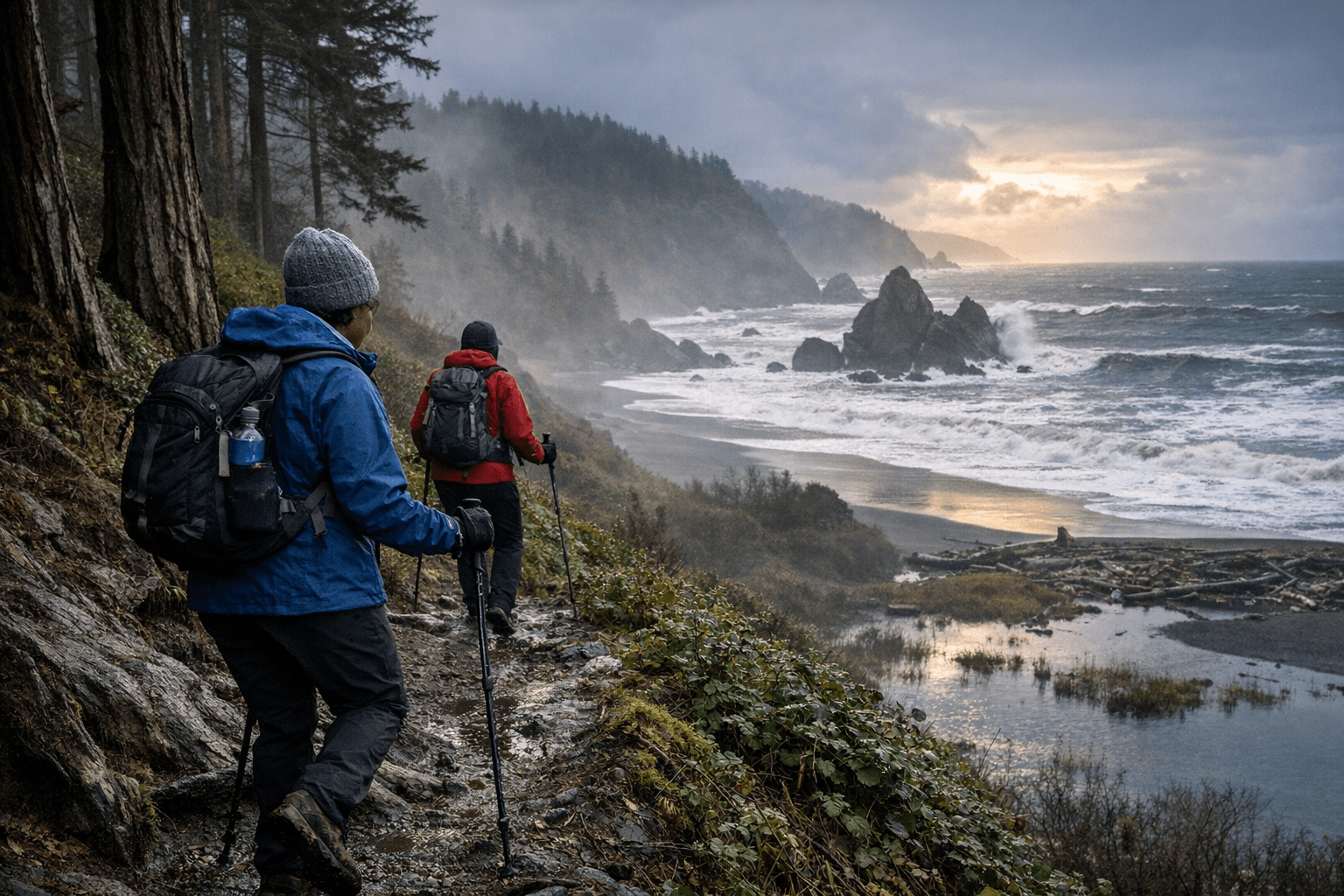
Practical safety planning is essential. Check local weather and tide forecasts before you go, and verify road conditions via Caltrans when travel routes are affected by storms. Expect muddy, slick surfaces and carry proper footwear and trekking poles if desired. Cell service is spotty on remote trails and in many redwood groves; carry maps, let someone know your plans, and respect posted seasonal closures. Pack out what you bring, be mindful of wildlife, and follow leave-no-trace principles.
Humboldt County park pages, Caltrans road condition updates, and US Forest Service or state park web pages provide area-specific advisories; consult those official sites before travel. The mix of accessible urban trails and remote backcountry underscores equity issues: residents without reliable transportation or mobility accommodations may be limited to nearby routes, while others face hazards amplified by lack of transit and signage. Investing in clear trail information, public transit options, and maintained local access supports public health, outdoor recreation equity, and community resilience during winter months.
This article was produced by Prism’s automated news system from verified source data, official records, and press releases, then run through automated quality and moderation checks before publishing. The system is built and supervised by the people who set the standards it runs under. Read our full AI policy.
Did this article answer your question?