Witnesses Testify in Humboldt Cannabis Grow Murder Preliminary Hearing
Witnesses described a 'grisly' scene and alleged love triangle texts at the preliminary hearing for Christopher Diven, charged in Vincent McKenney's death at an abandoned grow.
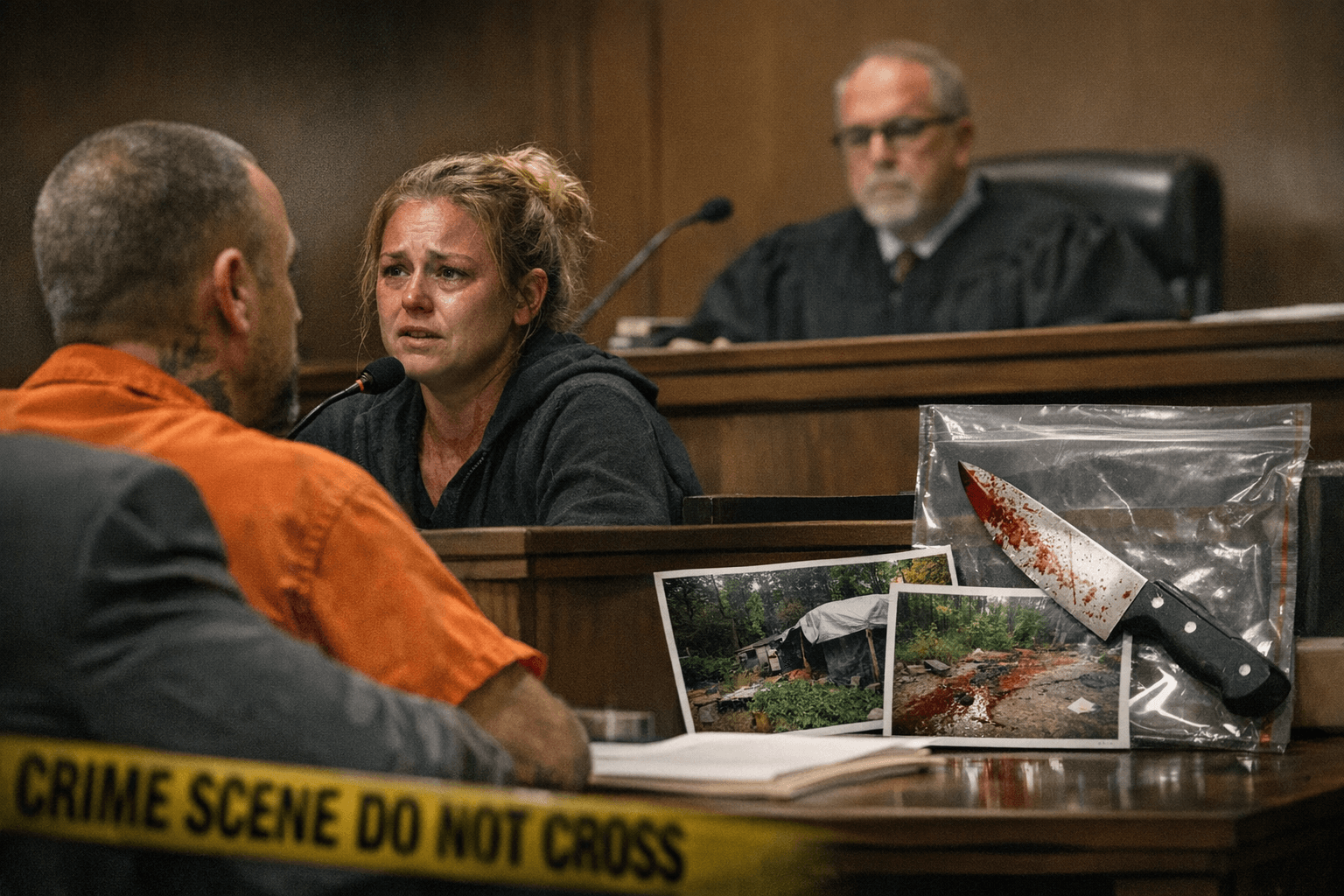
Testimony describing a "grisly" homicide scene at an abandoned cannabis grow in eastern Humboldt County moved Christopher James Diven's murder case toward a potential trial this week, as a Humboldt County judge heard witnesses lay out the circumstances of Vincent Charles McKenney's death.
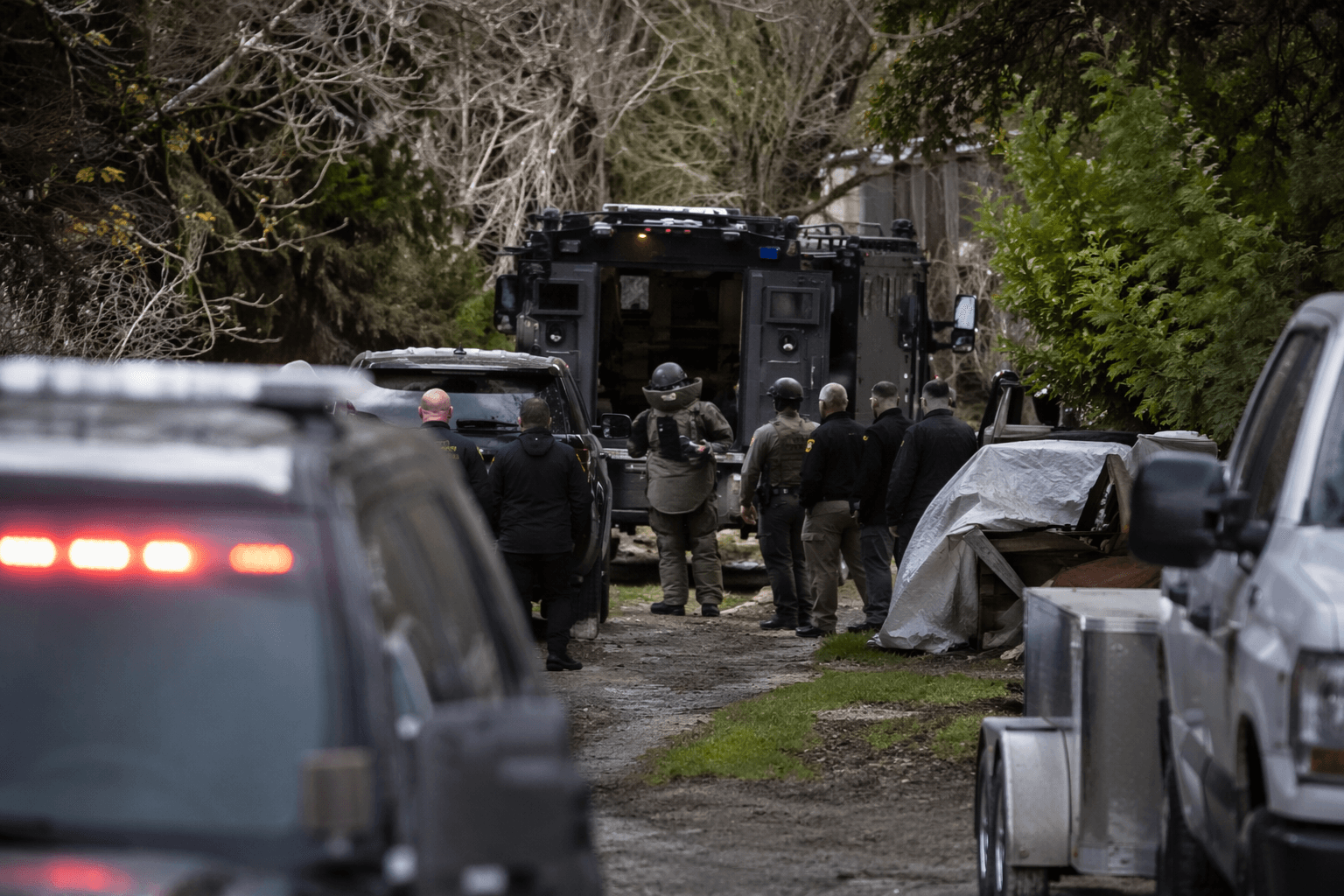
Diven, 38, of Willow Creek, has been held in custody since his arrest on suspicion of murder in late January 2026. Humboldt County Sheriff's Office investigators located McKenney's body at a remote, decommissioned grow site and developed evidence implicating Diven before making the arrest. The preliminary hearing, which opened March 25, is designed to answer a single legal question: is there sufficient probable cause to bind the case over for trial?
The answer, witnesses suggested, may hinge on two threads of evidence. Testimony addressed a web of interpersonal relationships among the involved parties, described in court as an alleged love triangle, and late-night texts and messages that may point to Diven's movements and intent on the night of the killing. The hearing is procedural and does not determine guilt.
HCSO Deputy Shane Steele testified during the proceedings, and law enforcement testimony was continued to subsequent court dates, a sign that the case carries investigative complexity. The consolidation of multiple matters into a single hearing suggests prosecutors may be pursuing more than one charge or addressing related incidents.
The location of McKenney's death underscores a recurring enforcement problem across the county. Abandoned cultivation sites, scattered through Humboldt's remote backcountry, are notoriously difficult to police. Once operations fold, the sites often sit unmonitored, accessible to transient workers and others operating far outside cell range and emergency services. When violence occurs at one of these sites, investigators face degraded crime scenes, limited witnesses, and terrain that resists easy access.
McKenney's body was found at one such site in eastern Humboldt County. The gap between his disappearance and the discovery of his remains drove the investigation that eventually led to Diven's arrest months later. Family members and community observers have followed the case closely through the pretrial process.
If the judge determines that testimony and evidence meet the probable cause threshold, the case moves to trial preparation and formal discovery. That ruling, expected after law enforcement testimony concludes, will set the next phase of proceedings and determine whether Diven faces a jury.
The hearing is not just a procedural milestone. It is a reminder that remote grow sites are places where people can disappear without immediate detection, where crimes can go unreported for weeks, and where the distance from institutional accountability makes investigation slow and costly.
This article was produced by Prism’s automated news system from verified source data, official records, and press releases, then run through automated quality and moderation checks before publishing. The system is built and supervised by the people who set the standards it runs under. Read our full AI policy.
Did this article answer your question?