Wiyot Tribe Breaks Ground on 52-Unit Eureka Elders Housing Development
Wiyot Tribe broke ground on a 52-unit elders housing development in Eureka to expand affordable housing and improve elders' access to services and supports.
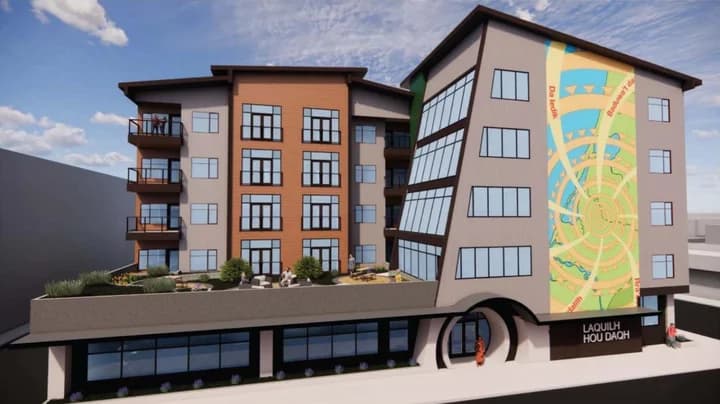
The Wiyot Tribe and partners broke ground on a 52-unit senior housing development at 6th and L streets in Eureka, marking a major step toward expanding affordable housing options for older adults in Humboldt County. The ceremony on January 22 brought together Dishgamu Humboldt Community Land Trust, Travois, Pacific Builders and Raymond James to begin construction on Laqilh Hou Daqh, translated as Where the Elders Are.
The site was awarded to the Wiyot Tribe through the City of Eureka Parking Lots to Affordable Housing RFP, turning underused city-owned land into infill housing that leverages existing infrastructure and reduces pressure for outward development. Laqilh Hou Daqh will include 24 studio units, 20 one-bedroom units and 8 two-bedroom units, and is expected to be completed in 2027.
Community amenities are planned to support daily life and social connection for residents. The development will include a community room, a commercial kitchen, dedicated elders programming space and above ground green space. Project partners have said the design will incorporate sustainability and green technologies and prioritize community-centered services for elders. The project also aims to create local living-wage construction jobs during the buildout.

Public health and social equity are central to the project rationale. Rising housing costs in Humboldt County have strained older residents on fixed incomes and fragmented access to health care, nutrition and transportation. By providing stable, affordable apartments near downtown Eureka, Laqilh Hou Daqh is positioned to improve elders’ access to medical services, regular nutrition and social supports that reduce isolation and promote healthy aging in place.
Dishgamu Humboldt Community Land Trust framed the project as infill development that uses underused municipal property rather than converting open land, a choice that can limit sprawl while concentrating services and transit access for residents. The involvement of Travois and Pacific Builders adds capacity for culturally responsive planning and construction that can address the specific needs of tribal elders and the broader elderly population in the region.
For Humboldt County residents, the project represents both immediate and long-term gains: relief for older adults priced out of the local housing market, new construction jobs, and a model for repurposing city land for affordable housing. As construction proceeds through 2026 into the expected 2027 completion, residents and local service providers will be watching how Laqilh Hou Daqh integrates health services, transportation connections and elders programming to meet on-the-ground needs. The development could serve as a template for other municipalities seeking to convert parking lots and vacant parcels into equity-driven housing solutions.
This article was produced by Prism’s automated news system from verified source data, official records, and press releases, then run through automated quality and moderation checks before publishing. The system is built and supervised by the people who set the standards it runs under. Read our full AI policy.
Did this article answer your question?