Bald eagle catches fish on Iron County lake, photographer captures moment
A kayaker caught a bald eagle skimming an Iron County lake and lifting off with a fish, a split-second hunt that showcases the county’s rich waters and wildlife.
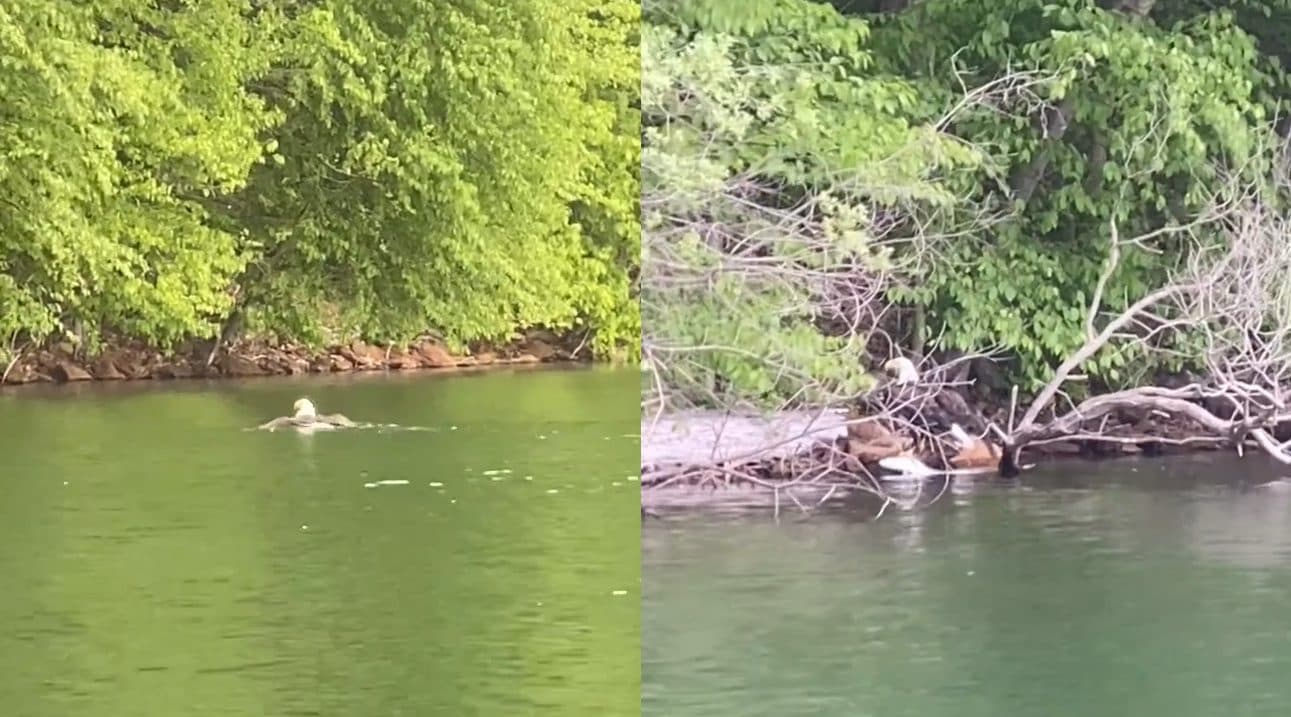
One second the bald eagle was skimming an Iron County lake, the next it had surged out of the water with a fish clenched in its talons. Kevin Zini captured the whole sequence while kayaking on May 29, and the images turn a brief hunt into the kind of northwoods scene Iron County residents instantly recognize.
A fast strike on familiar water
The photograph sequence shows the bird skimming the surface, splashing hard, then lifting away with its catch. That speed is part of the appeal: the moment is over almost as soon as it starts, but the pictures freeze a predator doing exactly what the county’s lakes were built to support.
It is also the kind of scene that feels especially local. This was not a staged wildlife shoot or a distant nature documentary crew. It was a photographer out on the water in Iron County, watching the lake closely enough to catch an eagle making dinner.
Why the moment fits Iron County so well
Iron County has spent years selling the same message the photos deliver on their own: this is an outdoors county. Tourism material says the area has more than 900 miles of streams and rivers and hundreds of lakes, a landscape that gives fish, birds, paddlers and anglers room to move. The Iron County Economic Chamber Alliance also notes that recreational outfitters in and around the county can help with kayak and canoe rentals, pickups and drop-offs, maps, camping gear and more.
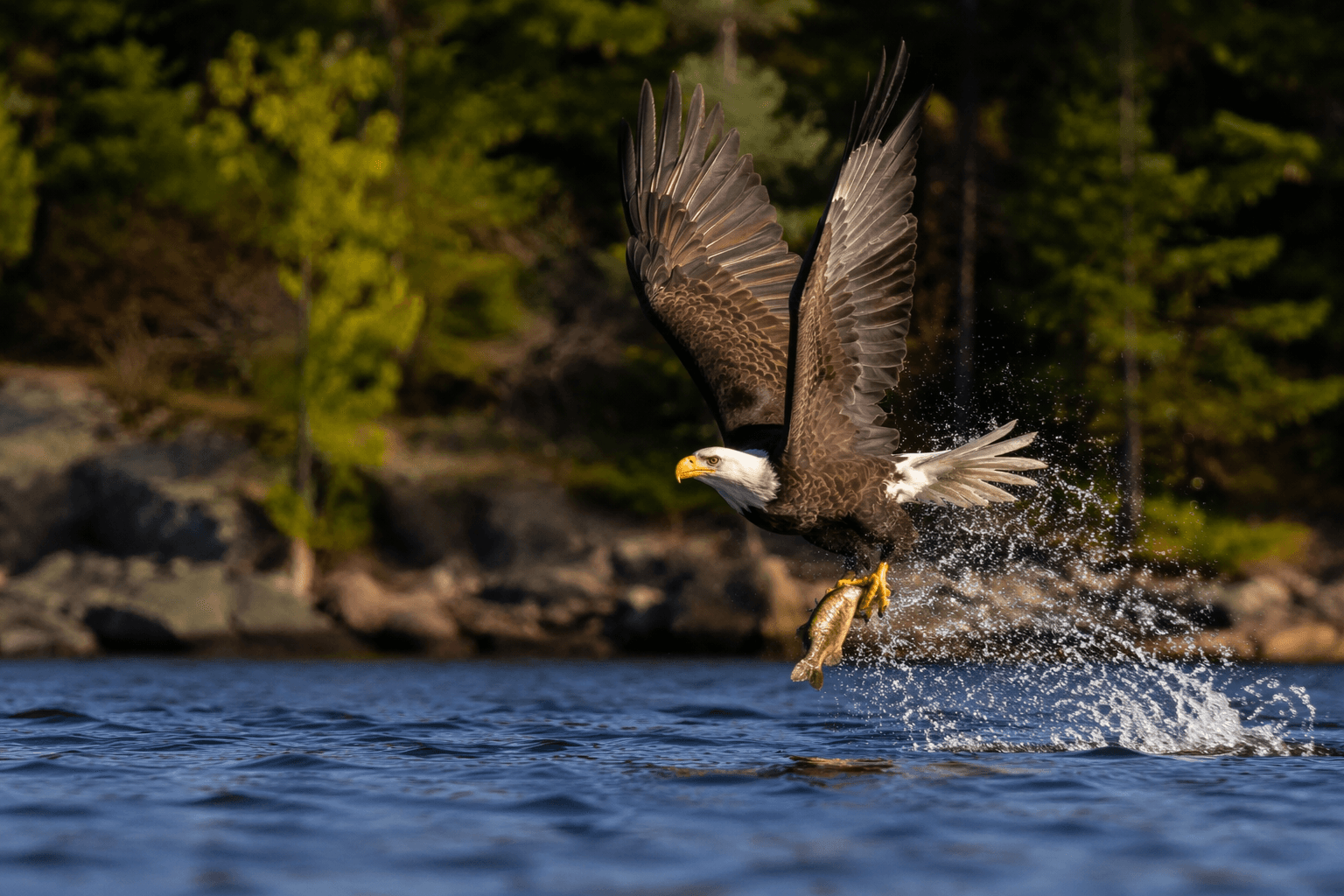
That matters because an eagle hunt is not a random postcard image in a place like this. It is evidence of a working ecosystem, one where fish are plentiful enough to draw a top predator to the surface and where people on the water still have a chance to witness the exchange. Iron County’s 2026 visitors guide says the county is home to abundant wildlife, including deer, eagles and black bears, and the eagle in Zini’s frame is part of that larger pattern.
Where similar sightings are most likely
If you want the best odds of seeing behavior like this, the places to start are the quiet, fish-rich waters already tied to wildlife viewing. UP Travel highlights Golden Lake Campground, about 15 miles northwest of Iron River, as a place for a northwoods experience that includes fishing and viewing wildlife such as bald eagles. The same travel material points to the Fumee Lake region as home to bald eagles and other notable species.
Those kinds of spots fit the bird’s habits. Bald eagles are closely tied to open water because fish are a key part of their diet, so lakes, slow shoreline stretches and other fish-haunted waters are the places where a kayaker or shoreline watcher is most likely to spot one working. In the Upper Peninsula, where nearly 400 bird species have been recorded, that mix of water and sky is part of the region’s draw.
A conservation comeback worth noticing
The image is striking because bald eagles were not always this common in Michigan. State and regional reporting shows breeding pairs rising from about 52 in 1961 to roughly 835 by 2017, and a 2023 Michigan report put the state at more than 1,600 eagle nests and about 900 breeding pairs. That recovery is one of Michigan’s strongest conservation stories.
The turnaround followed years of steep decline linked to hunting, habitat loss and DDT. Michigan became the first state to ban DDT in 1969, a milestone that is still tied to the eagle’s rebound across the state. When one of these birds now drops into an Iron County lake and comes up with a fish, it reflects decades of work that made those sightings possible again.
How to watch without crowding the birds
The same places that make good eagle habitat also deserve a little restraint from people. Michigan Natural Features Inventory says bald eagles are extremely sensitive to human activity during the first 12 weeks of the breeding season and recommends a quarter-mile buffer around nests from mid-March through the end of June. That window includes the stretch when many birds are nesting or raising young, which is when disturbance can matter most.
For Iron County boaters, paddlers and shoreline watchers, the rule is simple: keep your distance, give any nesting area a wide berth and treat the bird as the host of the shoreline, not a backdrop for a closer approach. The best wildlife moments are the ones that happen because the bird stayed wild, and the viewer stayed patient.
Zini’s photograph captures that balance perfectly. It is a fast hunt on a familiar lake, but it is also a reminder that Iron County’s waters still hold the kind of everyday drama that makes people stop, watch and look a little longer at the county they call home.
This article was produced by Prism’s automated news system from verified source data, official records, and press releases, then run through automated quality and moderation checks before publishing. The system is built and supervised by the people who set the standards it runs under. Read our full AI policy.
Know something we missed? Have a correction or additional information?
Submit a Tip