Camp Gibbs marks Iron County's link to the Civilian Conservation Corps
Camp Gibbs is Iron County’s clearest CCC landmark, a 1935 work camp on the 36-mile heritage trail that still ties New Deal labor to today’s forest landscape.
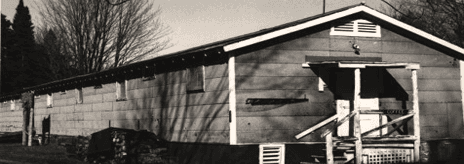
Camp Gibbs sits in the woods near Gibbs City as one of Iron County’s clearest New Deal landmarks. Built as a Civilian Conservation Corps camp in 1935, it turned unemployed young men into a labor force for truck trails, fire towers, telephone lines and reforestation. Today the site anchors the Iron County Heritage Trail, where the county’s conservation history is still tied to a specific place on the map.
Where Camp Gibbs fits in Iron County
Camp Gibbs is not a vague patch of history somewhere in the forest. It was purchased by the U.S. from the Michigan Mineral Land Company in 1934, then established the next year as a CCC camp about ten miles north of US-2 and roughly two miles west of Iron River, in Iron River Township inside Ottawa National Forest. The site also sits about two miles south of the old lumbering town of Gibbs City, which helps explain why it still feels rooted in a very specific local landscape.
That location matters because Iron County’s conservation story grew out of an older extraction economy. County heritage materials describe a place shaped first by mining and lumbering, with logging beginning in 1875 and some 70 producing mines eventually opening. The CCC arrived after that phase of heavy timber cutting and mineral development, when reforestation, erosion control and public recreation lands had become part of how the county saw its future.
What the CCC built here
Camp Gibbs was a substantial operation, not a token outpost. The camp included 19 buildings, among them barracks, a kitchen, a shower room, a bakery, garages and storage buildings for the CCC workers. The materials and construction methods reflected Depression-era frugality, which is part of what makes the site such a clear example of vernacular American architecture from the period.
The 3604th Company was based here and numbered 200 workers. It was established on June 14, 1935, as an offshoot of the 63rd Company at Paint Lake Camp, about 12 miles northwest. The enrollees first lived in tents until they built the camp buildings themselves, which gives Camp Gibbs a rare double identity: it was both a workplace and the thing the workers constructed.
Iron County had three CCC camps alone, and that concentration shows how central the program was to this part of the western Upper Peninsula. Camp Gibbs was one node in a larger federal effort that used labor, timber and engineering to reshape rural land for long-term use.
The work that still shapes the forest
The men at Camp Gibbs built miles of truck trails for fire control and forest development. They also installed fire lookout towers and telephone lines and reforested thousands of barren acres. Those projects were not cosmetic; they were the kind of infrastructure that made managed forest land safer, more accessible and more productive for the generations that followed.
The broader CCC program was created in 1933 as part of Franklin D. Roosevelt’s New Deal, and nationwide it operated 4,500 camps and enrolled more than three million men. In northern Michigan alone, the state’s historic preservation materials describe forty-one similar camps housing nearly eight thousand young men within months of the program’s start. Camp Gibbs belongs to that larger economic and policy story: a public-works response to unemployment that left behind roads, forests and recreation assets still in use.
What happened after the camp closed
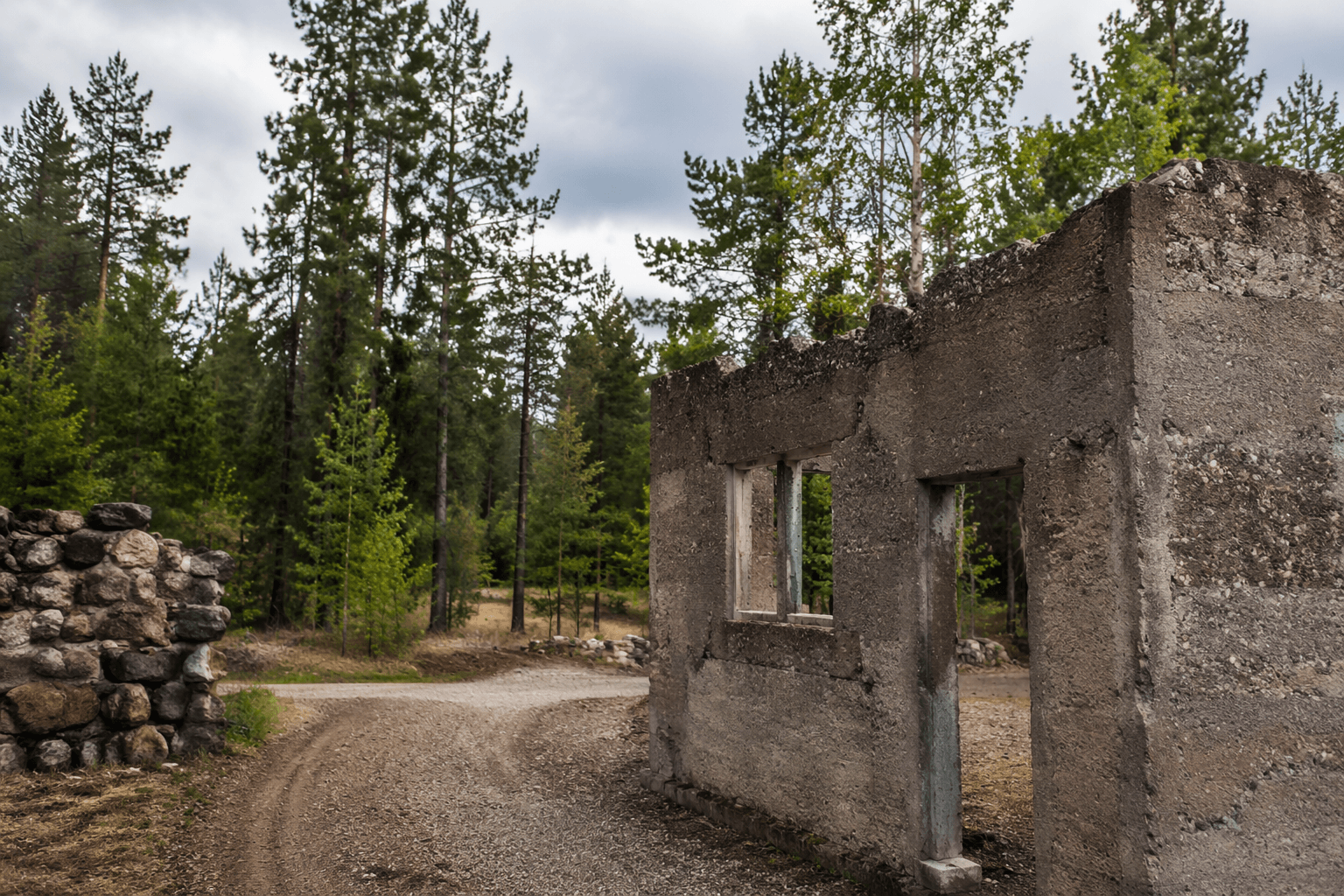
Camp Gibbs did not freeze in 1930s amber. It was abandoned at the beginning of World War II, then in the 1940s the State of Michigan Social Welfare Commission used it to house indigent people from the area. Later, recreational clubs used the buildings with U.S. Forest Service permission, which gave the site a second life after its CCC years ended.
That layered history is part of why the camp matters now. It was not simply preserved as a relic; it kept serving public purposes in different forms. The shift from CCC labor camp to social welfare housing to a heritage site mirrors the way Iron County itself has repeatedly adapted older land uses to new needs.
How to experience the site today
Camp Gibbs is one stop on the Iron County Heritage Trail, a 36-mile loop connecting 14 premier sites. That makes it part of a countywide interpretive route rather than an isolated marker, and it helps visitors place the camp within a larger map of mining, lumbering, conservation and settlement history.
A visit is easiest to understand as a landscape stop. The site is at 129 Camp Gibbs Rd. in Iron River Township, inside Ottawa National Forest, and its wooded setting is part of the story. The camp’s location near Gibbs City, its CCC-era footprint and its role in the county heritage trail all make it a place where the federal New Deal is still visible in local terrain.
- Use the heritage-trail framework to place Camp Gibbs alongside the county’s other historic stops.
- Read the site as a forest landscape shaped by truck trails, fire control and reforestation, not just as an old camp location.
- Keep in mind that the camp’s importance comes from its working history: 200 men, 19 buildings and a forest program that reached far beyond Iron County.
Camp Gibbs endures because it ties Iron County’s mining-and-lumbering past to the federal conservation work that followed. At 129 Camp Gibbs Rd., the CCC’s footprint is still part of the county’s identity, and the landscape itself remains the clearest evidence of what the New Deal built here.
This article was produced by Prism’s automated news system from verified source data, official records, and press releases, then run through automated quality and moderation checks before publishing. The system is built and supervised by the people who set the standards it runs under. Read our full AI policy.
Did this article answer your question?