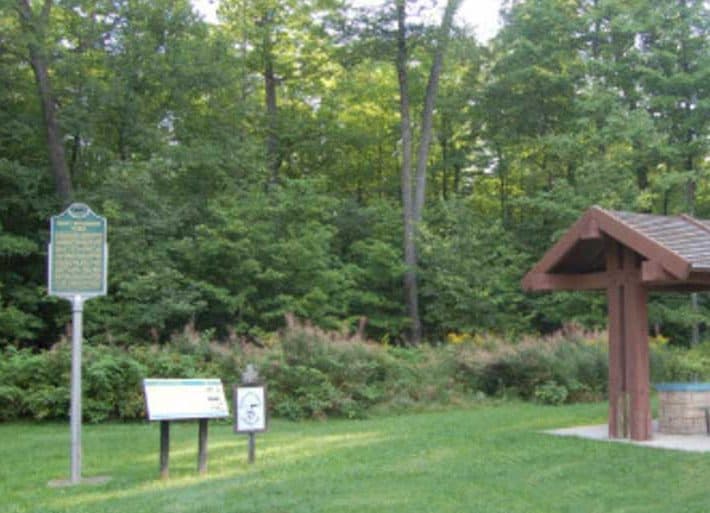
Carrie Jacobs-Bond House preserves Iron County’s musical legacy
A 70-ton Iron River home links Iron County to Carrie Jacobs-Bond, whose songs and preserved furnishings still anchor the museum’s Victorian Area.
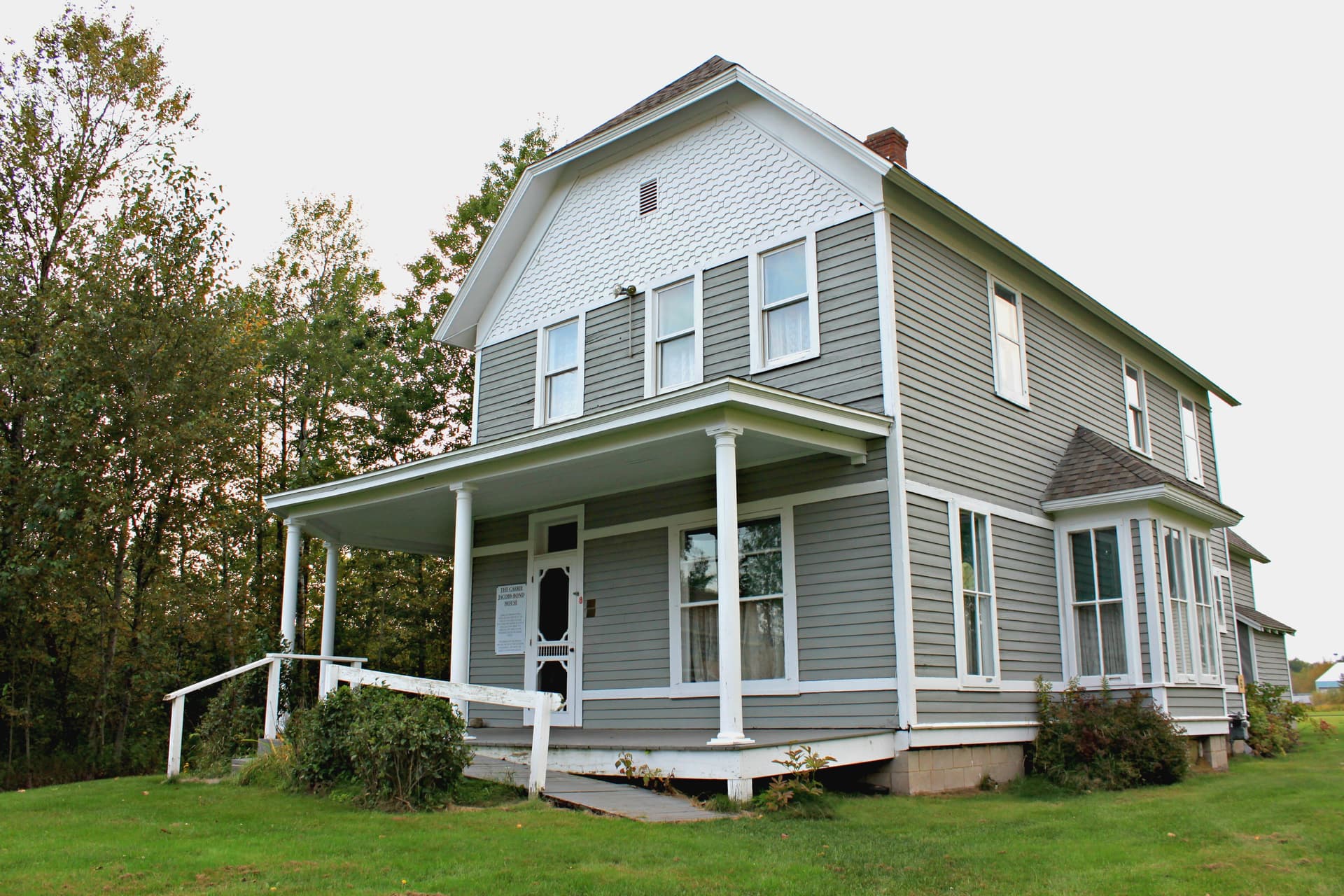
Carrie Jacobs-Bond House gives Iron County something few places can claim: a direct, walkable link to an American songwriter whose work traveled far beyond the Upper Peninsula. In Iron River, the house is more than a relic. It is a preserved place where residents and visitors can see how local memory, music, and architecture still meet in one address.
A singer whose work reached far beyond Iron River
The Iron County Historical & Museum Society identifies Carrie Jacobs-Bond as an American singer, pianist, and songwriter who composed nearly 177 pieces of popular music from the 1890s through the early 1940s. Her best-known songs include “I Love You Truly” and “Perfect Day,” pieces that helped make her name recognizable well beyond northern Michigan.
Jacobs-Bond was born Carrie Minetta Jacobs on August 11, 1862, in Janesville, Wisconsin, and died on December 28, 1946, in Hollywood, California. Britannica notes that she began publishing songs in Chicago in December 1894, when two of her songs were published there, and that her music became widely known as sentimental art songs. That national profile is what gives the Iron River house its unusual pull: the building ties a small community to a figure in American popular music history.
The museum also preserves another detail that makes the story feel local and personal. Jacobs-Bond once described the home as containing her “seven happiest years” in Iron River. That memory matters because it roots her legacy in lived experience, not just in fame.
What visitors can still see inside the house
The Carrie Jacobs-Bond House was moved from Adams Street in Iron River to the Iron County Historical Museum in 1978. The museum says the 70-ton house was restored to the 1890-1910 period, which means the building is interpreted as a carefully maintained period piece rather than a stripped-down exhibit.
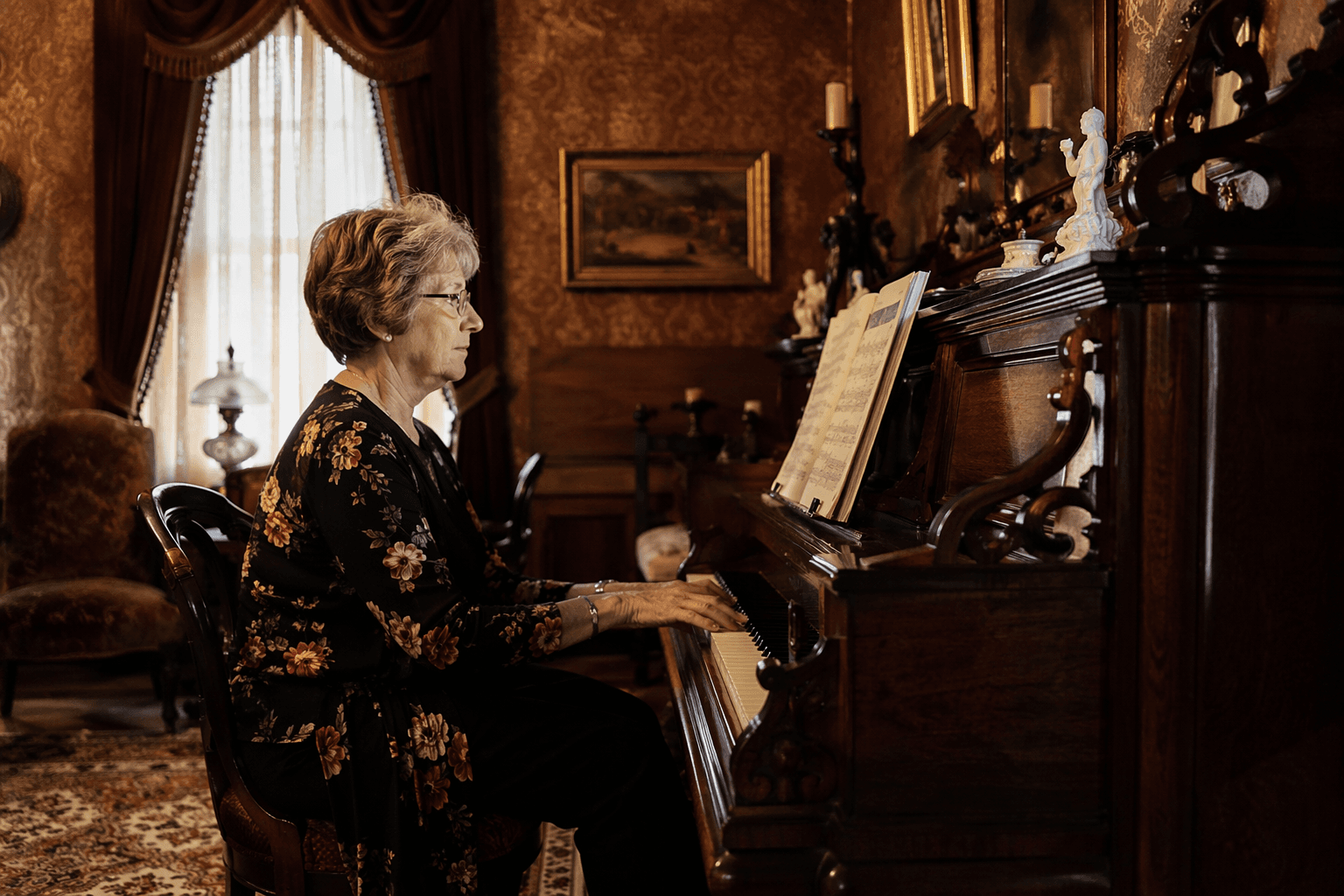
The house is described in another historical listing as having been built around 1890, which fits the museum’s restoration timeline. Inside, the site includes furniture and personal items from Jacobs-Bond’s estate, among them a sofa, a desk and chair, a bed, and a portrait of her father, Dr. Jacobs. Those pieces give the room settings real weight: they let visitors see the scale of the home and the material world around the composer.
That kind of preservation does more than decorate a room. It helps Iron County keep a specific story intact through objects that can still be studied, interpreted, and remembered. The house survives because it was moved, restored, and furnished with care, and because the museum has treated it as part of a broader historical record rather than as a standalone curiosity.
A small house inside a much larger museum campus
The Carrie Jacobs-Bond House is one part of the Iron County Historical Museum’s larger Victorian Area. The Iron County Chamber of Commerce listing says the Victorian Area includes the Carrie Jacobs Bond House, built in 1890, and an early one-room school, and that both are furnished. That makes the area especially useful for visitors who want a compact look at daily life in a different era.
The museum describes itself as the Log Cabin Capital of Michigan and one of the largest outdoor museum complexes in the Upper Peninsula. Its site includes more than 100 exhibits and 26 buildings, which turns a visit into a broader tour of Iron County history rather than a single-house stop. For anyone planning a trip, the Jacobs-Bond house fits into a campus that is large enough to spend real time exploring.
Other buildings on the grounds help place the house within a larger preservation effort. The museum’s history includes the Baumgartner Pioneer School, the Stager Depot, and St. Mary’s Church, each added over time as the collection expanded. One listing also notes a 1921 mining head frame on the campus that is listed on the National Register of Historic Places. Together, those pieces show that the museum protects many kinds of Iron County history, from music and education to rail, faith, and mining.
Why the house still matters now
The Carrie Jacobs-Bond House matters because it lets Iron County tell a national cultural story in a local voice. Iron River is not only the place where a famous songwriter lived; it is where her home was saved, moved, restored, and folded into a public museum setting that residents can still visit.
That gives the house a civic role as well as a cultural one. It strengthens heritage tourism, supports local interpretation of women’s history and American music, and gives Iron County a tangible reason to take pride in a story that could easily have been lost to time. The building’s survival, its 1978 move, the restored period rooms, and the surviving estate furnishings all show how preservation can turn private memory into a public asset.
For anyone who wants to understand Iron County through its landmarks, the Carrie Jacobs-Bond House remains one of the clearest stops on the map. It is a preserved home, a music story, and a reminder that a small place can hold an outsized claim on American cultural history.
This article was produced by Prism’s automated news system from verified source data, official records, and press releases, then run through automated quality and moderation checks before publishing. The system is built and supervised by the people who set the standards it runs under. Read our full AI policy.
Did this article answer your question?