Crystal Falls considers ordinance regulating trapping within city limits
Crystal Falls moved a trapping ordinance forward as council weighed pets, children and neighborhood safety inside city limits. The proposal would give the city a clearer rule for traps in a compact residential setting.
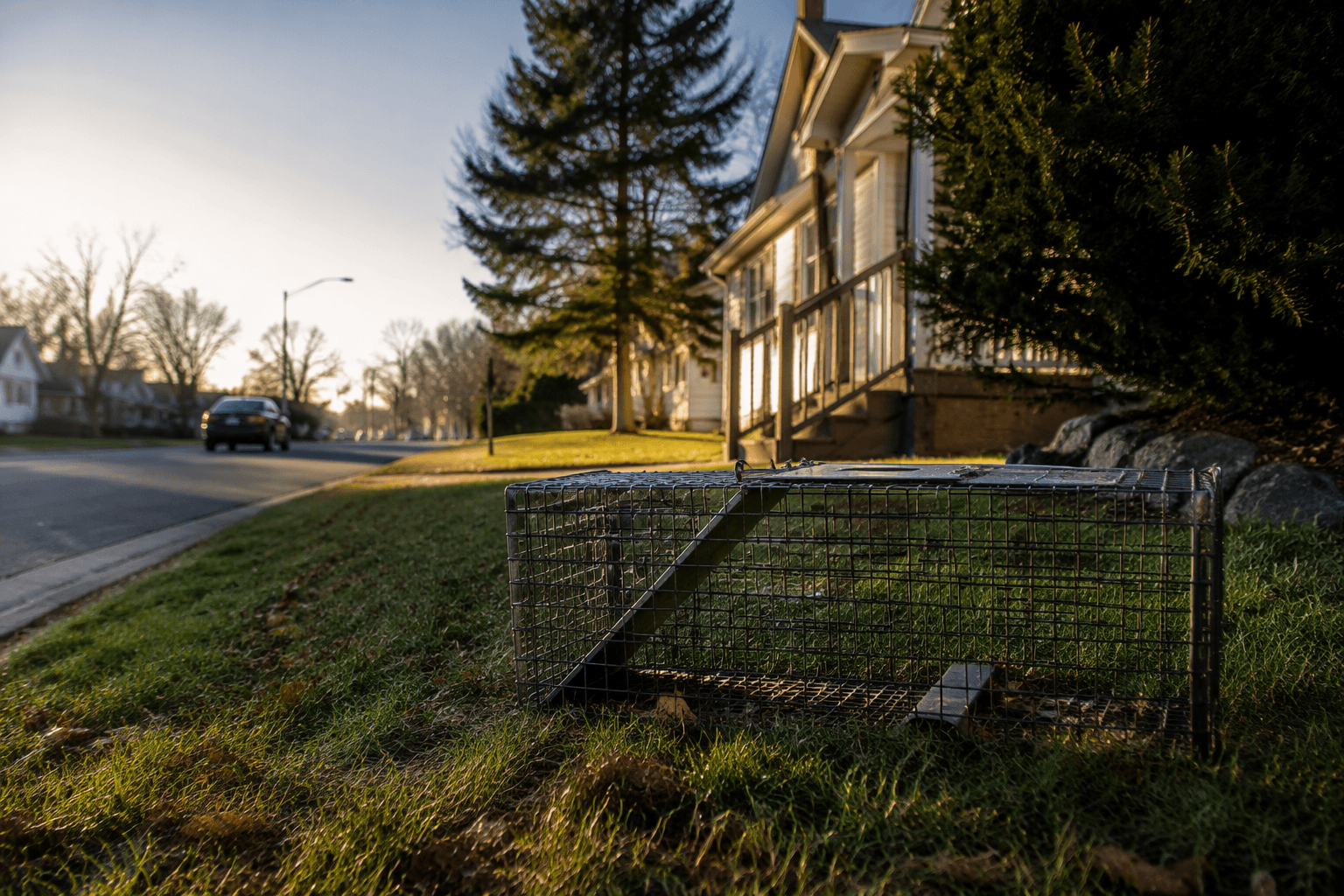
Crystal Falls put a trapping ordinance before the City Council on May 11, 2026, with a first reading of City Ordinance No. 2.05, An Ordinance Regulating Trapping Within the City Limits. The proposal took aim at a narrow but practical question inside the city’s 1,598-person footprint: how trapping should be handled where homes, sidewalks, pets and children sit much closer together than they do in the woods outside town.
The move signaled that city leaders were treating trapping as a local safety and property issue, not just a rural tradition. Inside Crystal Falls city limits, the ordinance would give officials a clearer way to address traps in neighborhoods, decide what is allowed near public spaces and handle complaints if residents spot a trap near a house or along a street.
For property owners who trap on their land, the ordinance could mean new city rules to follow before setting equipment. For neighbors, it could create a more definite standard for what belongs in a residential block and what does not. Crystal Falls already has other municipal rules on the books, including Zoning Ordinance No. 4 and Ordinance No. 2.21 regulating off-road vehicles within the city, showing that the council has used local ordinances to sort out land use and activity inside city boundaries.
The council itself meets every second Monday of the month at 5 p.m. Mayor Tim Bean, elected in November 2024, is serving a term that runs through November 2028. Those are the officials who would ultimately decide how far the trapping ordinance goes and how it would be enforced in a city built around close-set streets and residential lots rather than open land.
The issue lands in a community shaped by the outdoors. Iron County’s visitor guide says the county has about 400,000 acres of public forestland in the Ottawa National Forest and more than 300 lakes and navigable river miles. The Iron County Economic Chamber Alliance also describes hunting as part of the area’s culture and economy, which helps explain why trapping remains part of the conversation even as Crystal Falls weighs tighter rules inside town.
State law still frames the broader picture. The Michigan Department of Natural Resources maintains trapping and fur harvesting rules, and its furbearer harvest summary includes badger, beaver, bobcat, coyote, fisher, fox, marten, mink, muskrat, opossum, otter, raccoon, skunk and weasel. Crystal Falls’ ordinance would sit alongside those state rules, but only within the city limits, where the consequences of a trap are more immediate for nearby residents.
This article was produced by Prism’s automated news system from verified source data, official records, and press releases, then run through automated quality and moderation checks before publishing. The system is built and supervised by the people who set the standards it runs under. Read our full AI policy.
Did this article answer your question?