Great Lakes Recovery Center Offers Suicide Loss Support for Iron County Residents
When a family in Iron County loses someone to suicide, Great Lakes Recovery Centers can dispatch a trained peer support team within hours, activated directly by local authorities.
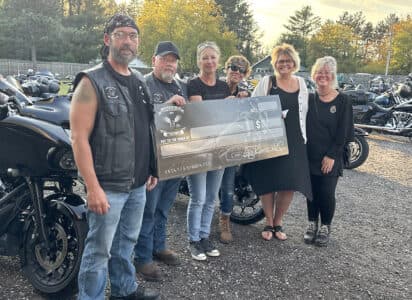
When Dickinson or Iron County authorities respond to a suspected suicide, they can activate a trained response team from the Great Lakes Recovery Centers before the family faces their first night alone. That program, known as LOSS, Local Outreach to Suicide Survivors, dispatches two or more volunteers within hours of a death and continues providing support for months and years that follow.
The LOSS model is evidence-based and built explicitly on peer connection. Every team includes at least one volunteer who has personally experienced a suicide loss alongside a trained professional, giving grieving families immediate access to someone who understands from the inside. The program covers Delta, Dickinson, Iron, and Marquette counties across the Central Upper Peninsula, a region where behavioral health infrastructure is already strained by geography and provider shortages.
Tracy Johnson, Great Lakes Recovery Centers' Director of Prevention Services and the program's lead contact, said depression and anxiety drive the region's highest suicide risk. "Our number one risk factor here in Dickinson County is depression and anxiety," Johnson said. "We understand that it's difficult at times and we want to help those who are suffering." Johnson works alongside Prevention Specialist and LOSS team member Leila Canavera and Director's Assistant Sandra Teske.
For Iron County residents, the most direct path to LOSS services runs through Johnson herself: (906) 458-2627, or by email at LOSS@greatlakesrecovery.org. The Iron River outpatient office, at 305 W. Genesee St., Suite 3, is reachable at (906) 214-4777. The Iron Mountain office, at 301 Kent Street, can be reached at (906) 774-2561. Both locations operate Monday through Friday, 8 a.m. to 5 p.m. Outside those hours, calling or texting 988 connects to the Suicide and Crisis Lifeline, free and confidential around the clock.
The gap between a weekday clinic and a weekend crisis is one of the defining pressures of rural mental health care in the Upper Peninsula. Limited inpatient psychiatric beds, a shortage of licensed counselors across both counties, and the transportation barriers that compound every medical appointment in sparsely populated terrain mean families here rarely have the safety net available in southern Michigan. The LOSS team's activation model, routed through local law enforcement rather than a clinic referral, is specifically designed to reach survivors who would never walk through a waiting room door.
Great Lakes Recovery Centers also offers free Question, Persuade, Refer gatekeeper training to any business, school, church, or community organization in the area. Known as QPR, the training teaches people to recognize warning signs and connect someone at risk with help. Bob Boivin, the agency's Communities That Care coordinator, has made the training available monthly, and local employers including Loadmaster in Norway have brought the program in-house for their management staff.
To learn more about the LOSS program, volunteer, or make a donation, visit greatlakesrecovery.org/loss-team.
This article was produced by Prism’s automated news system from verified source data, official records, and press releases, then run through automated quality and moderation checks before publishing. The system is built and supervised by the people who set the standards it runs under. Read our full AI policy.
Did this article answer your question?