Harbour House Museum shows Crystal Falls history through a preserved home
Harbour House Museum turns Crystal Falls history into a walk through a real family home, from its 1900 Queen Anne Colonial Revival shell to six exhibit rooms upstairs.
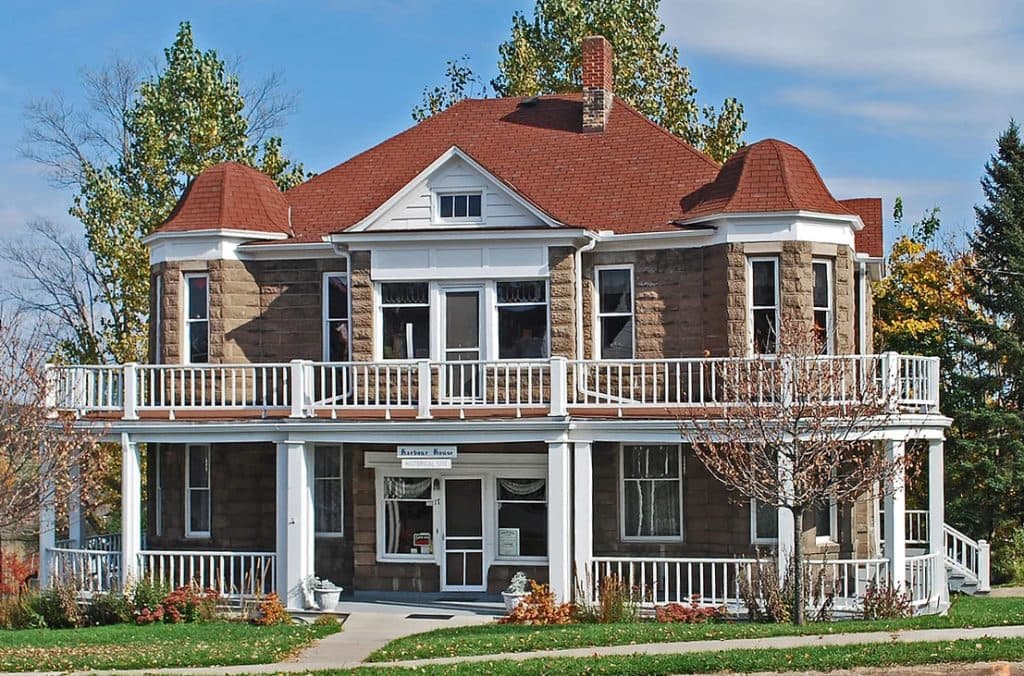
Harbour House Museum makes Crystal Falls history feel personal because it is still anchored in a home that once belonged to the Harbour family. Set at 17 North 4th Street, the restored house gives Iron County a rare kind of museum experience: one that starts with domestic space, not a mine shaft, a courthouse, or an industrial artifact.
A house that tells a different kind of county story
The building was originally constructed in 1900 as a Queen Anne Colonial Revival home, and its steamboat-style architecture gives it a look that stands apart from the more utilitarian structures usually tied to mining towns. The wrap-around porches are part of that identity, making the house feel open to the street and the hilltop views around Crystal Falls. The home is also listed on the National Register as The Murphy Home, which adds another layer to its public life beyond its first chapter as a private residence.
That combination matters in Iron County, where the usual shorthand for local history often centers on extraction, labor, and the built infrastructure that supported both. Harbour House shows the social side of that same era. It preserves the setting where a family lived, welcomed guests, and presented itself in the first years of the 20th century, when Crystal Falls was still taking shape as a county seat and mining community.
What the first floor reveals about everyday life
The first floor is furnished and decorated to reflect the craftsmanship and culture available at the turn of the century. That makes the downstairs rooms the most intimate part of the visit, because they show how a prosperous or ambitious family might have arranged a home in a small Upper Peninsula mining town. Instead of reading about social status in abstract terms, you see it in the details of the setting itself: the care put into the furnishings, the decoration, and the way the house was preserved as a lived-in space.
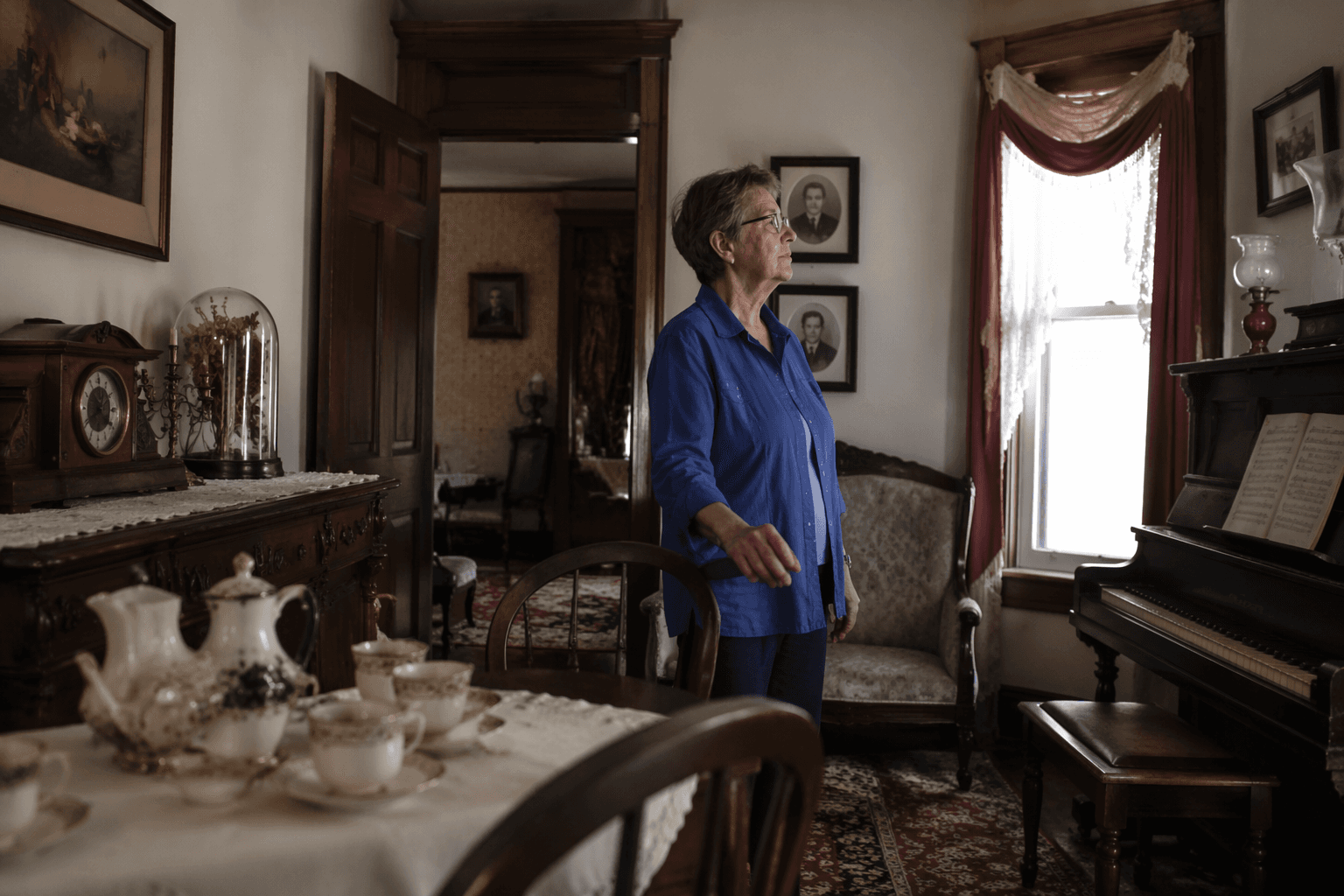
This is where Harbour House becomes more than a landmark. A preserved residence says something a public building cannot. A courthouse can explain government, and a mine exhibit can explain industry, but a home shows how those larger forces entered ordinary life through furniture, display, hosting, and domestic routine. The first floor at Harbour House makes that translation visible, room by room.
Upstairs, the museum widens the lens
The second floor adds six exhibit rooms that interpret logging, mining, military veterans, and Ojibwa history. That mix turns the museum into a compact overview of Iron County’s layered past, while still keeping the visitor inside a single preserved structure. It is a useful balance: the house remains the main attraction, but the exhibits broaden the story far beyond one family or one occupation.
That upstairs collection also helps connect Crystal Falls to the wider region. Logging and mining are the county’s best-known economic anchors, yet the exhibits make room for veterans and Ojibwa history as well, reminding visitors that Iron County’s past cannot be reduced to one industry. In a place where public memory often leans toward the dramatic and the industrial, those six rooms provide a quieter and more complete account of who lived here and how the community remembered them.
How the museum fits into Crystal Falls
The museum sits in the historic fabric of downtown Crystal Falls, which makes it easy to pair with other places that define the city’s public identity. The Iron County Courthouse, for example, stands as the county’s most architecturally significant building, while Harbour House offers the domestic counterpart to that public grandeur. Together they show two sides of the same place: one built for civic authority, the other for private life.
That contrast is what gives Harbour House its value for local history. The building began as the Harbour family home, later became a museum, and now functions as a bridge between the private world of a turn-of-the-century household and the broader story of Iron County. Howard Koob’s role in acquiring and renovating the property for museum use helped preserve that bridge, and the Crystal Falls Museum Society continues to present it as a house where architecture, furnishings, and local memory still meet.
Why the preserved home matters
Harbour House is strongest when read as a social history site. Its architecture tells you when it was built and what style was fashionable; its furnishings show what people wanted to display; its second-floor exhibits place that household inside the wider forces that shaped Iron County. The result is a museum that is less about monumentality than about texture, the kind of texture that comes from porches, parlors, artifacts, and the decision to save a family residence instead of letting it vanish into the background.
For Crystal Falls, that makes Harbour House one of the clearest ways to understand how people actually lived while the county was being built around them. The mine sites and public landmarks still matter, but the preserved home adds the human scale that those larger stories can miss.
This article was produced by Prism’s automated news system from verified source data, official records, and press releases, then run through automated quality and moderation checks before publishing. The system is built and supervised by the people who set the standards it runs under. Read our full AI policy.
Did this article answer your question?