Iron County landowners get habitat improvement roadmap at workshop
Iron County landowners can tap grants, forestry help and habitat projects to improve private land without giving up control. The best opportunities now center on deer habitat, invasive species control and stewardship planning.
A practical roadmap for landowners
Iron County property owners who want better deer cover, healthier woods and more usable land got a clear message at an April 9 workshop at the West Iron County Public Library: there is money, technical help and local follow-through available now. County Forester Brock VanOss and the Iron Baraga Conservation District used the session to show that habitat work does not have to mean turning land over to public access or taking on a project alone.
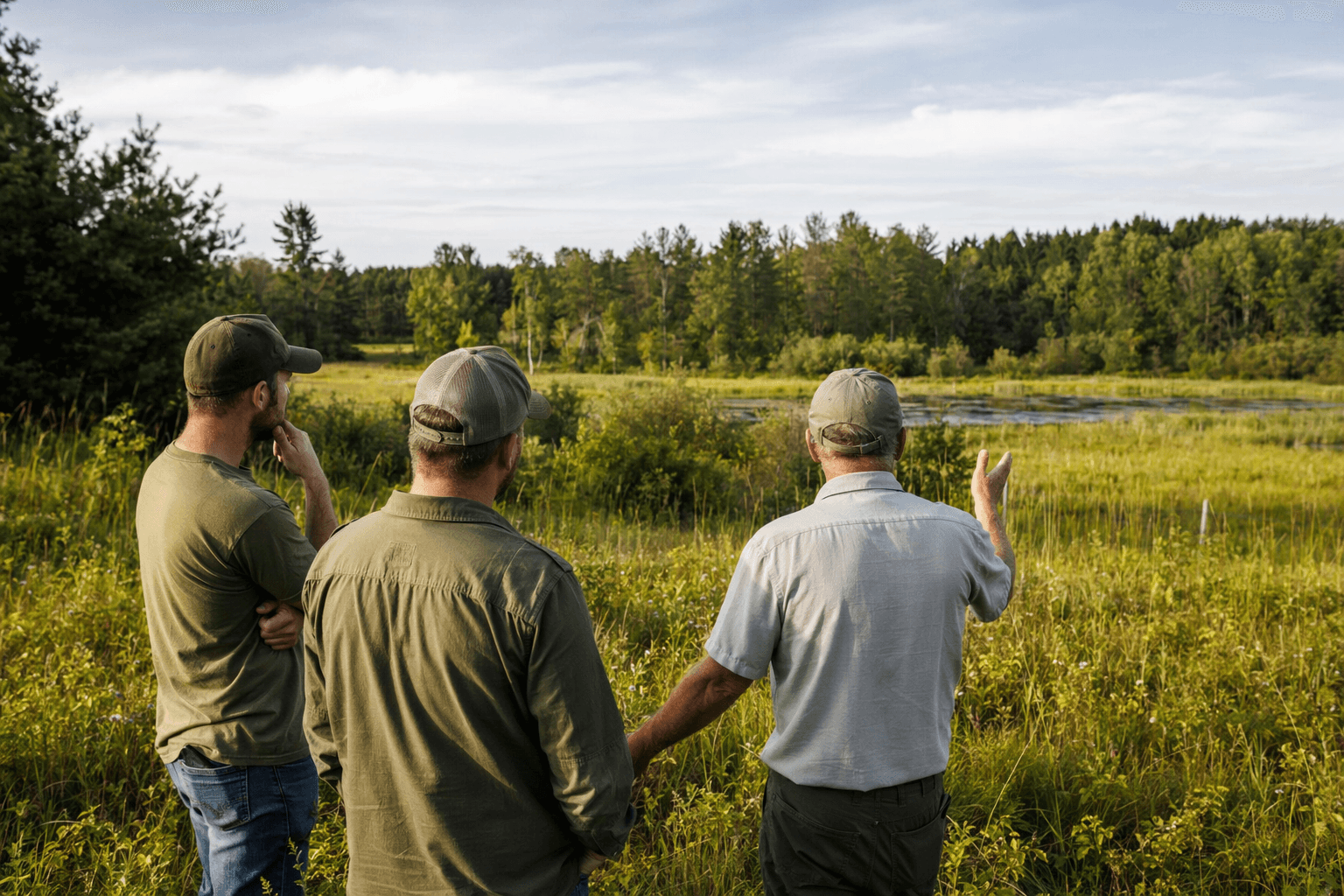
The workshop was previewed two days earlier in a notice from the West Iron District Library, which said the session would begin at 3 p.m. on April 9. That local timing mattered because the event was built as a resident-facing guide, not a technical seminar. The focus was on what Iron County landowners can do on their own parcels, how to qualify for help and what kinds of improvements can feed both wildlife and long-term land value.
The deer habitat grant is the biggest immediate opening
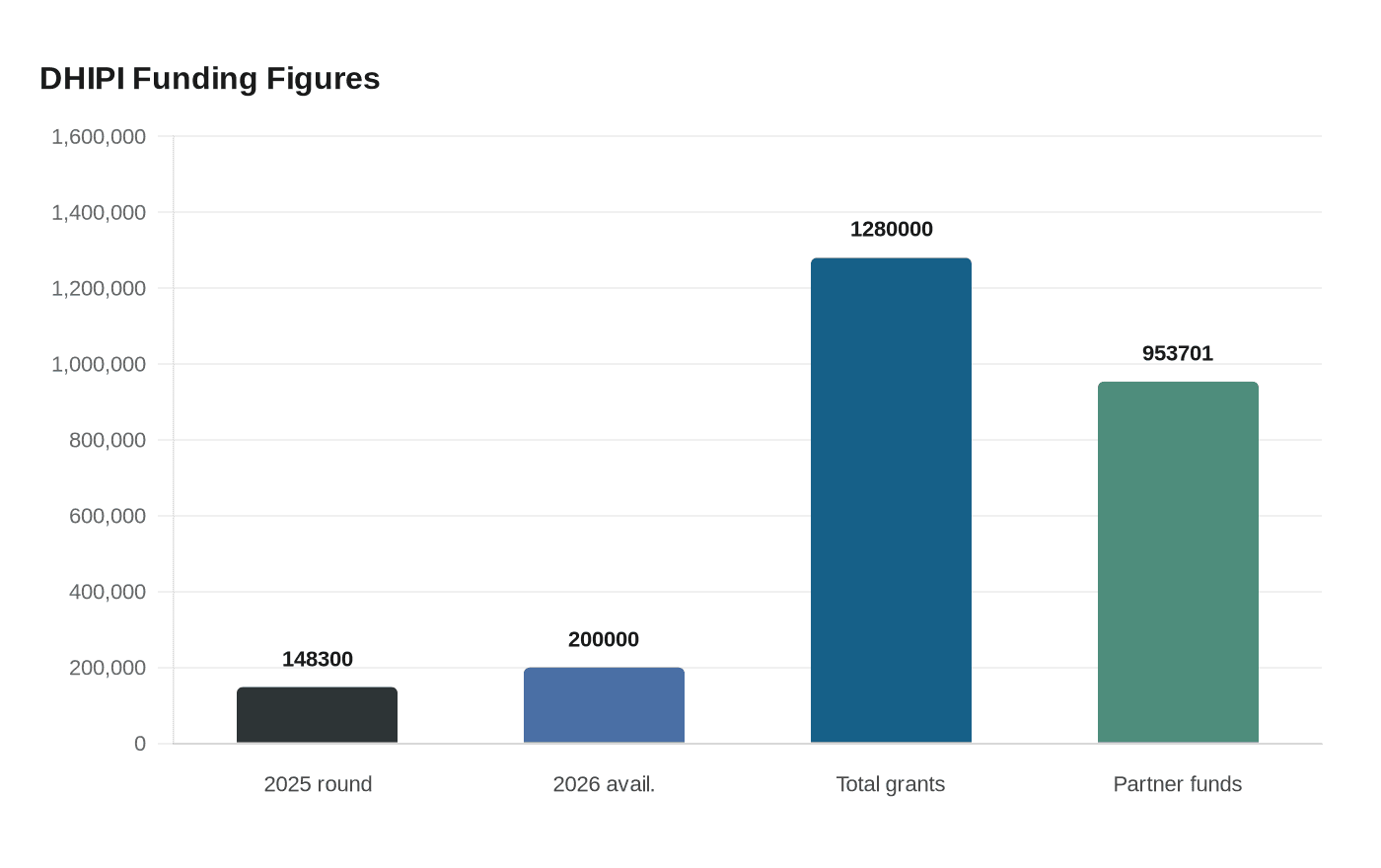
The centerpiece was the Michigan Department of Natural Resources’ Deer Habitat Improvement Partnership Initiative, known as DHIPI. The state says the 2026 application period opened Jan. 26, 2026, with $200,000 available for the Upper Peninsula. In the 2025 round, the program awarded $148,300 in grants.
That funding track is not new. According to DNR materials, the program has existed for 17 years, has awarded 162 grants totaling $1.28 million and has drawn another $953,701 from partners. That matters for landowners because the program is built around matching local effort with state dollars, a structure that can stretch habitat spending farther than most private property owners could manage on their own.
District Manager Jen Ricker laid out the practical side of the program. Landowners can choose from several planting approaches, including large fruit trees, wildlife shrubs, conifer plantings, oak or hemlock options for wetter soils and a mass-planting method. The state covers most of the planting costs for approved projects, which makes the grant attractive for properties where owners want to improve browse, cover and seasonal habitat without absorbing the whole bill.
The other important point is control. Participation does not mean the land becomes public or that access is opened to hunters, hikers or anyone else. The agency only needs a GPS point and a photo to verify the project, so owners can improve habitat while keeping the same property rights they already have.
What to plant depends on the goal
The workshop made clear that the best project is the one matched to the site. A wetter parcel may be better suited to oak or hemlock plantings, while drier openings could support fruit trees or shrubs that build browse and cover. The mass-planting option offers a faster way to shape larger blocks of habitat, especially where the goal is to create thicker edges or travel cover rather than isolated trees.
For Iron County landowners, that flexibility matters because habitat work can serve several purposes at once. Better deer forage and cover can improve hunting quality. Tree and shrub plantings can also stabilize a property’s long-term value by creating healthier stands and more diverse cover types. In a county where many owners think in terms of camps, timber and family land passed down over generations, the benefit is not just wildlife. It is stewardship that can pay off over time.
The district is also pushing food and habitat together
Another example discussed at the workshop was the Iron Baraga Conservation District’s Food Forest project at Taproot Community Garden. The idea is to produce food for people and wildlife on the same site, using species such as highbush cranberry, American plum, serviceberry and hazelnuts.
That approach fits a broader land-management trend in which habitat work does not sit apart from the rest of the property. A food forest can create pollinator value, wildlife forage and a more layered planting structure that is useful on both public demonstration sites and private acreage. For landowners thinking about smaller parcels or mixed-use land, it shows that habitat improvement does not always require a large tract to make a difference.
The invasive species grant is narrower than it sounds
The workshop also clarified a recent $70,000 invasive species grant, which is easy to misunderstand if the headline alone is all residents hear. It does not pay for whole-lake chemical treatment. Instead, it supports emergent aquatic species control, hand-pulling, landowner meetings and education.
The grant covers control on 10 acres, and much of the spending is aimed at operations and outreach. That is a useful detail for lakefront owners and others who may assume invasive-species money is only about equipment or herbicide. In practice, the program is partly about organizing people, identifying infestations early and slowing spread before a larger waterbody becomes a long-term management problem.
Local help is now easier to find
The Iron Baraga Conservation District says its office is now at the back of the Windsor Center and is expected to have regular public hours after the annual tree sale. For landowners, that is more than a mailing address change. It gives residents a local place to start if they want help sorting out habitat options, forestry questions or management priorities.
The district’s Forestry Assistance Program offers initial professional contact, on-site property evaluations, workshops, help with management goals, habitat improvement, insect and disease identification, stewardship plans and cost-share opportunities. That makes it a first stop for owners who know something needs to be done but are not sure whether the issue is deer browse, stand health, disease pressure or a longer-term timber plan.
Why the timing of this matters
VanOss tied the workshop to a wider concern in Michigan’s woods: trees are dying from age or disease faster than they are being removed. Using state forest inventory data, he argued that the state is facing a sustainability problem, not just a habitat question. That is the bigger policy frame for Iron County landowners. The decisions made on private parcels affect wildlife now, but they also shape whether woods stay productive, resilient and valuable for the next generation.
The Iron Baraga Conservation District’s own history reinforces that long view. The district says Iron Conservation District and Baraga Conservation District merged on Feb. 9, 2016, and it traces conservation districts back to the Dust Bowl era, when local land stewardship became a public necessity. That legacy fits today’s conversation in Iron County: habitat work, invasive species control and forest health are no longer separate topics. They are parts of the same property-management decision.
For owners looking at their land this spring, the takeaway is straightforward. The DHIPI grant can offset most planting costs for approved deer habitat projects, the conservation district can help with planning and site evaluation, and the invasive species program offers another path for landowners whose shoreline or wetland edges need attention. The roadmap is already in place. The next step is choosing a parcel, matching the right planting or control method to the site and getting the work started.
This article was produced by Prism’s automated news system from verified source data, official records, and press releases, then run through automated quality and moderation checks before publishing. The system is built and supervised by the people who set the standards it runs under. Read our full AI policy.
Did this article answer your question?