Michigamme Highlands easement protects 73,000 acres in Huron Mountains
A permanent easement now locks in access and working-forest management across 73,063 acres in the Huron Mountains, with Iron County gaining protected waters, habitat, and recreation.
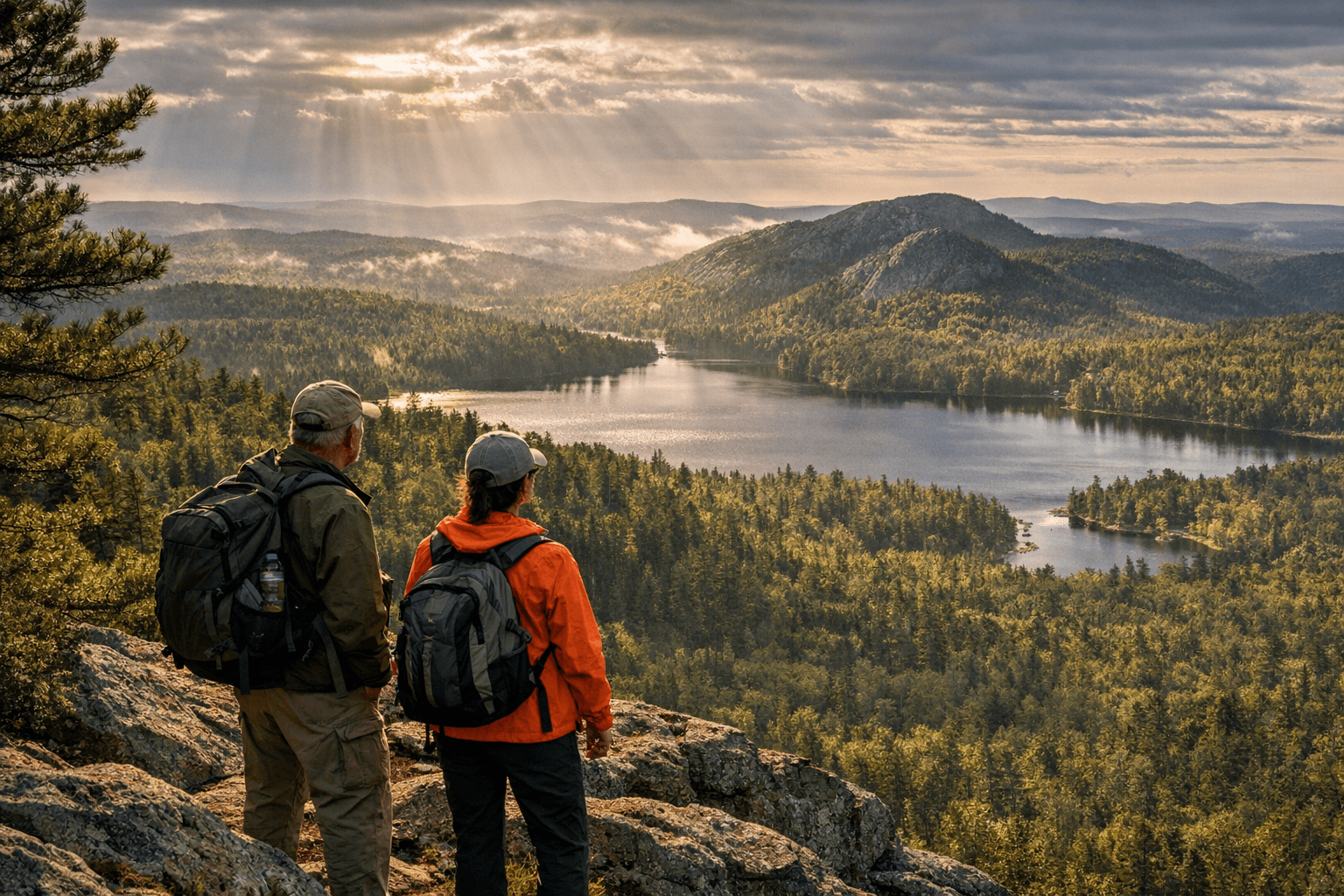
For Iron County, the Michigamme Highlands easement is not just a land deal. It locks in hunting, fishing, snowmobiling, hiking, and other access across a massive working forest while keeping timber production alive, protecting waters that feed local streams, and preserving one of the Upper Peninsula’s biggest wild spaces for public use.
A working forest that stays open
The Michigan Department of Natural Resources says the easement protects about 73,063 acres across Baraga, Marquette, and Iron counties, with the land remaining privately owned by Lyme Great Lakes Timberlands and managed as a working forest. That distinction matters for the local economy: the forest stays in production, which supports the regional forest products industry, while development rights are removed so the land cannot be converted to subdivision or other non-forest uses.
That is the core policy tradeoff behind the project. Kerry Heckman of the DNR described the easement as taking development rights out of the ownership package, leaving the property private but permanently protected and sustainably managed. Lyme Timber managing director Sarah Kitz said the arrangement leaves a lasting legacy for Michigan’s forests, the public, the regional forest products economy, and the environment at scale.
What the public can do there now
The easement turns what was once limited access under the Commercial Forest Act into permanent public recreational access. That means hunting, fishing, kayaking, biking, skiing, snowmobiling, designated ORV use, camping, and hiking are locked in for the future, not left to the discretion of a single landowner or future sale.
Mount Arvon is the biggest draw many readers will recognize. At 1,979 feet, it is Michigan’s highest natural point, and the DNR says the easement secures public access there as part of the broader tract. Because the property borders about 70 miles of state and federal lands, the Highlands also function as a connector in a much larger public landscape, which matters for trail users, hunters, anglers, and anyone who depends on uninterrupted access across the Huron Mountains.
Why the land matters to water and wildlife
The conservation value is just as significant as the recreation value. The tract includes 37 miles of winding rivers, 220 miles of perennial streams, 96 lakes and ponds, more than 13,600 acres of wetlands, and about 4,800 acres of deer wintering complex. The Yellow Dog River runs through the land near the McCormick Wilderness, reinforcing its importance to the watershed and to the broader wild character of the region.
The habitat list is unusually deep. The Highlands support moose, black bears, pine martens, fishers, wolves, grouse, eagles, hawks, owls, boreal chickadees, and threatened or endangered species, along with fish including coaster brook trout, brown and rainbow trout, coho and pink salmon, bass, and northern pike. For Iron County and neighboring communities, that means the easement helps safeguard the cold-water systems and forest cover that sustain both wildlife and outdoor use.
How the deal was paid for
The project was financed entirely through grants and donations, with more than $15 million from the U.S. Forest Service’s Forest Legacy Program. The Michigan Natural Resources Trust Fund recommended a $4.2 million award in December 2024, described as the largest award on that roster, and another $1 million came from National Fish and Wildlife Foundation support, including Walmart’s Acres for America and the Life Time Foundation.
That funding package reflects how competitive the project was. DNR staff said the proposal ranked No. 2 in the country among Forest Legacy applicants, a sign that the tract stood out even in national competition. Earlier reporting put the effort at roughly $20 million, which underscores how much public and private money was required to keep a landscape of this scale both open and intact.
A plan years in the making
The easement did not happen overnight. Lyme Great Lakes Timberlands and state officials had already been discussing the project publicly in 2023, and DNR staff and local stakeholders held public tours in July of that year so people could see the land before final closure. At the time, the tract was already open for some public use, including hunting, fishing, and trapping, but the easement was designed to make that access permanent and expand what was allowed.
Bill O’Brion, the general manager for Lyme Great Lakes Timberlands, called it a project that had been years in the works. That long lead time matters because it shows how conservation in the Upper Peninsula often depends on balancing private ownership, forest operations, and public access rather than simply taking land out of production.
What Iron County gains from the decision
The practical benefit for Iron County is stability. The easement protects a large watershed, preserves a major block of habitat, and keeps recreation access from being lost to future development or sale. It also maintains the forest products base that supports jobs and mills tied to the region’s timber economy, while keeping the area available for residents and visitors who hunt, fish, ride, ski, camp, or hike in the Huron Mountains.
In a county where land use decisions can ripple into tourism, forestry, and access to public waters, the Michigamme Highlands deal lands as a rare all-of-the-above outcome. The forest stays working, the land stays private, and the public keeps a permanent place in the Highlands.
This article was produced by Prism’s automated news system from verified source data, official records, and press releases, then run through automated quality and moderation checks before publishing. The system is built and supervised by the people who set the standards it runs under. Read our full AI policy.
Did this article answer your question?