Tick-borne diseases rise in Iron County, residents urged to identify ticks
Ticks are showing up in Iron County yards, trails and parks as spring outdoor time ramps up. Free state ID can help judge Lyme risk before symptoms spread.
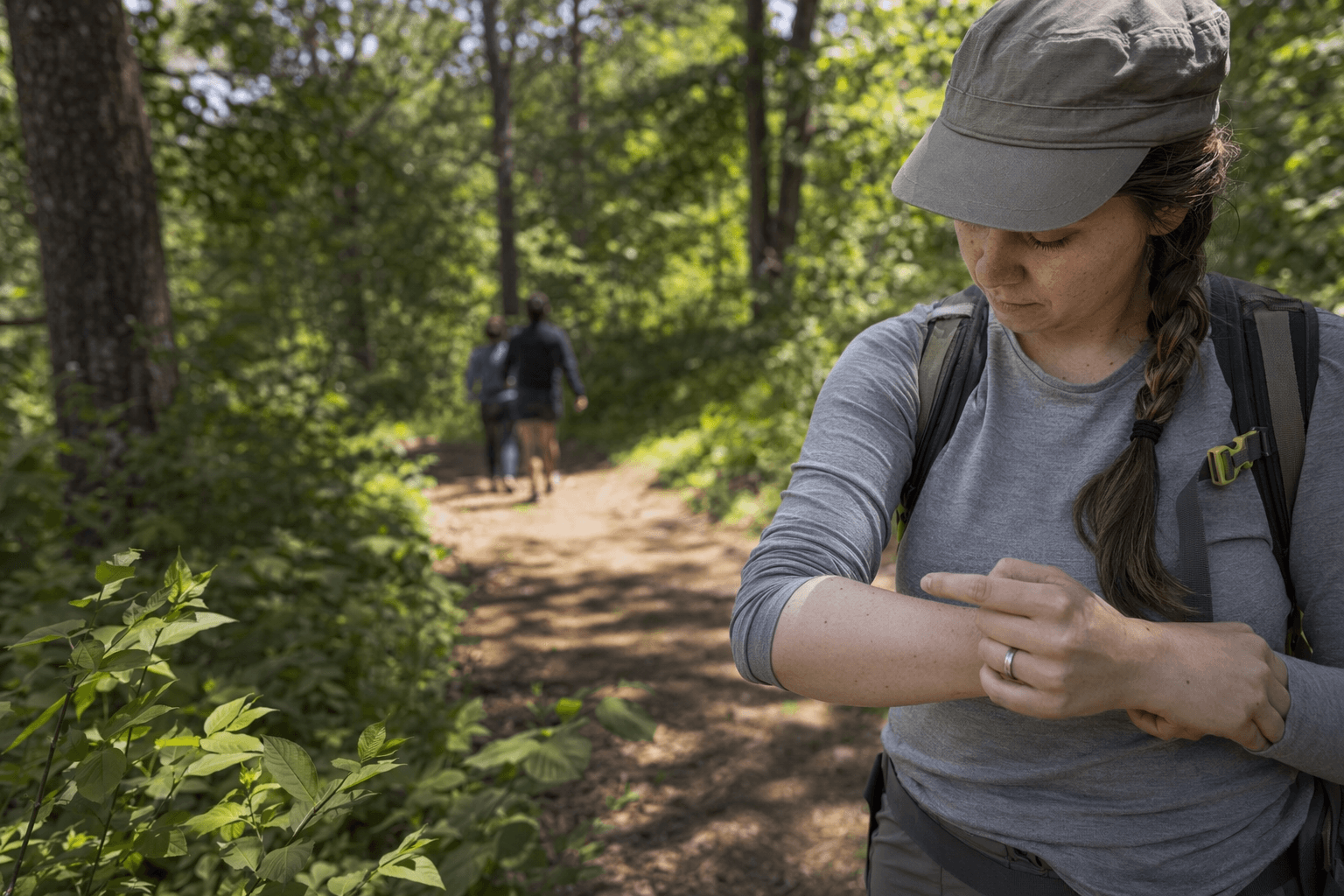
Ticks are a real spring problem now in Iron County yards, trailheads, parks and hunting and fishing areas, where blacklegged ticks are active from March through November and the highest bite risk falls in spring, summer and fall. Not every bite will make someone sick, but some ticks can carry bacteria, viruses and parasites that create serious health risks if they are missed.
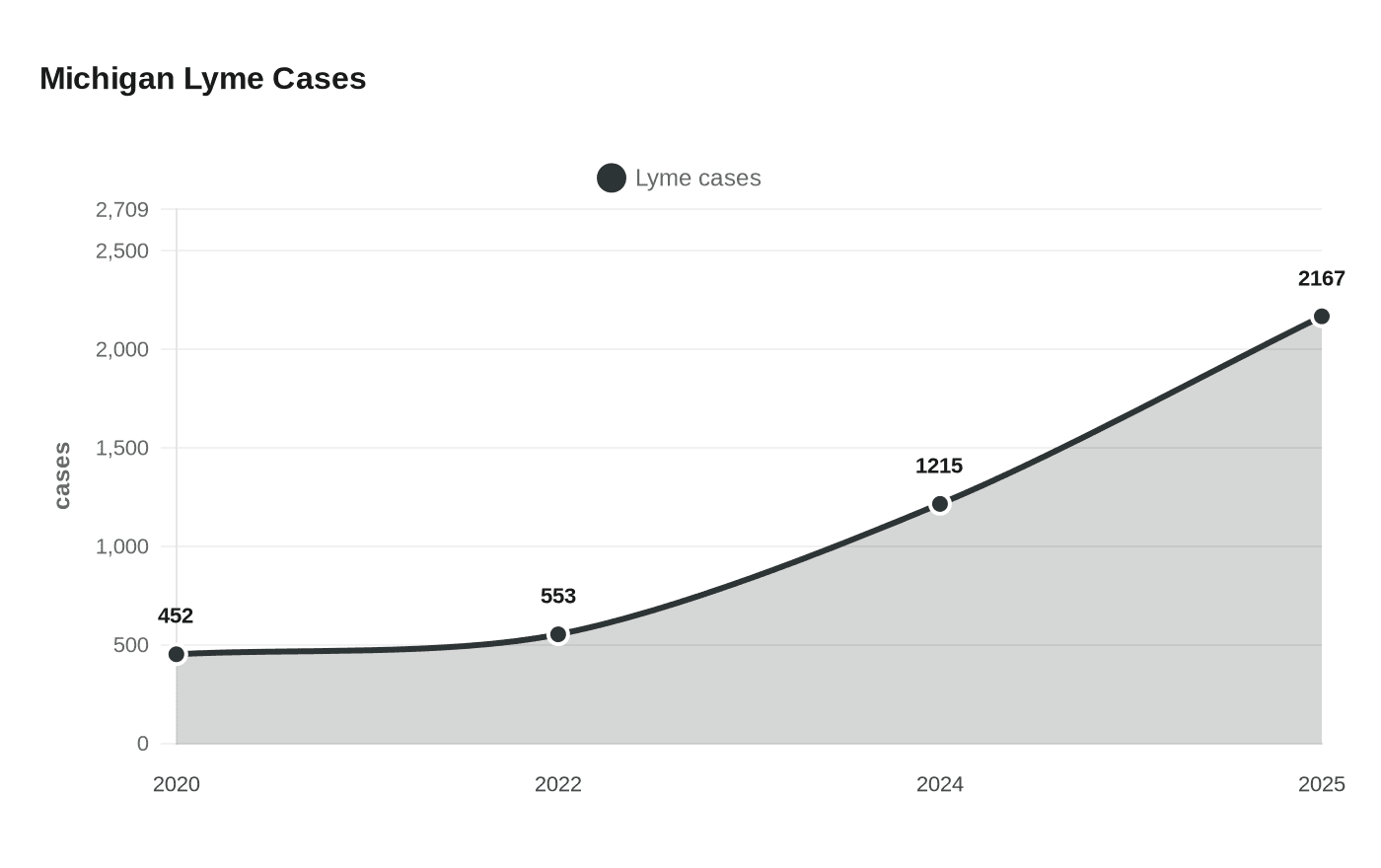
The warning carries extra weight in Michigan, where Lyme disease cases climbed from 452 in 2020 to 1,215 in 2024, then reached 2,167 in 2025 after 553 cases in 2022. The Centers for Disease Control and Prevention now classifies Michigan as a high-incidence jurisdiction, meaning the state has recorded more than 10 cases per 100,000 people for at least three straight years. State officials also say anaplasmosis rose from 17 cases in 2020 to 82 in 2024, a sign that tick-borne illness is not staying on the margins. Rachel Burkholder, a Michigan Department of Health and Human Services epidemiologist, has said the increase tracks with an expanding tick population that survives Michigan winters well and thrives in hot, humid summers.
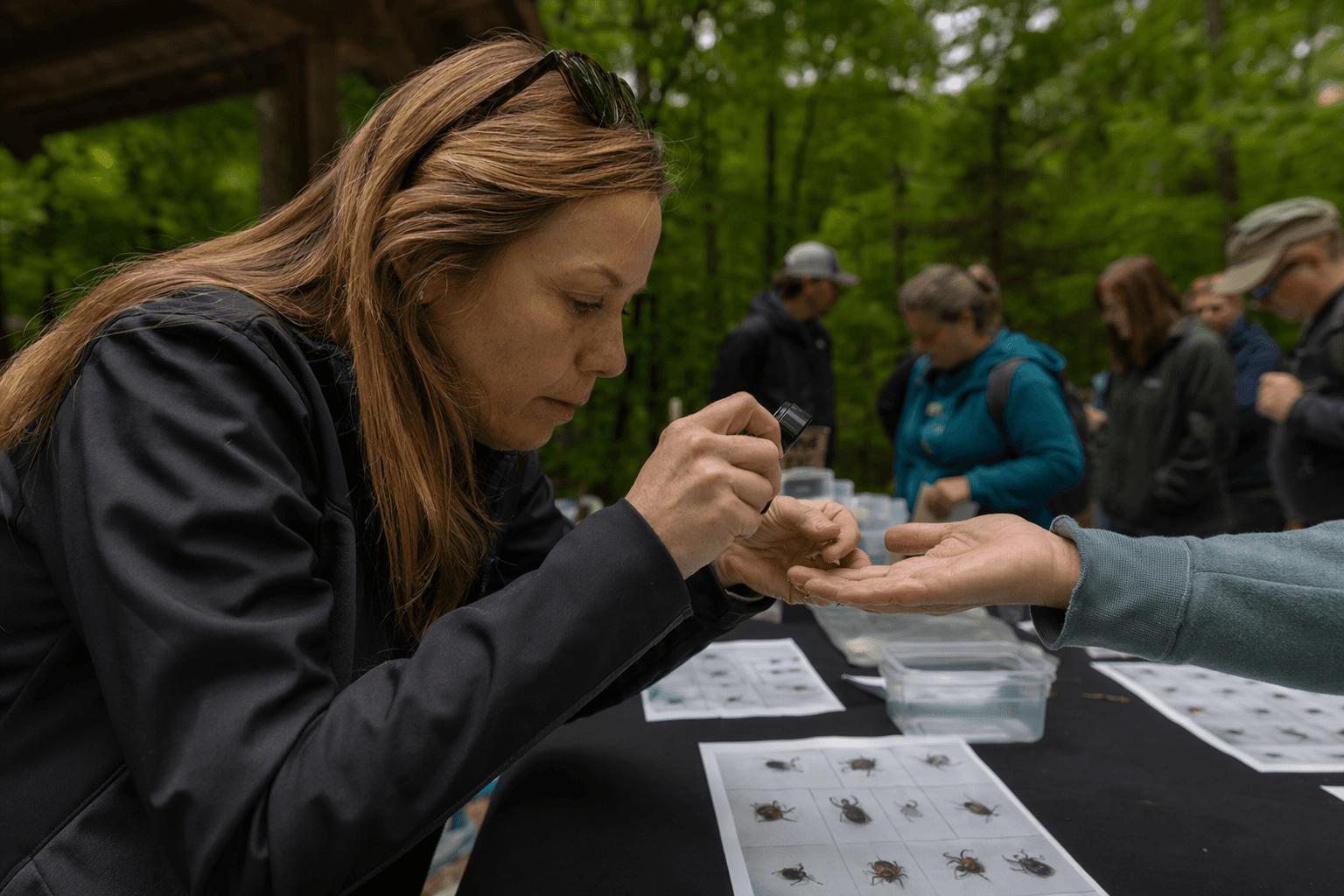
Lyme disease is caused by Borrelia burgdorferi and spread by the blacklegged tick, Ixodes scapularis. If left untreated, it can move from the skin to the joints, the heart and the nervous system. MDHHS says signs and symptoms often begin one to two weeks after a bite, and early treatment with appropriate antibiotics can reduce the chance of serious complications.
For residents heading out this weekend, the state’s advice is straightforward: use an EPA-registered repellent, walk in the center of trails, check yourself and pets after being outdoors, and treat clothing with permethrin instead of putting it on skin. If a tick is found, identification is free for Michigan residents through MDHHS. A photo can help, but microscopic examination of the actual tick may be needed for a definitive identification, and ticks are no longer tested for Lyme disease.
The Dickinson-Iron District Health Department says free tick submission kits are available through local health departments, and its Environmental Health Division can answer tick and Lyme disease questions at 906-779-7239, Monday through Friday from 8 a.m. to 4 p.m. In a county where brush, tall grass and pet trails are part of everyday life, quick identification is the difference between waiting and acting.
This article was produced by Prism’s automated news system from verified source data, official records, and press releases, then run through automated quality and moderation checks before publishing. The system is built and supervised by the people who set the standards it runs under. Read our full AI policy.
Did this article answer your question?