West Iron County schools approve Narcan policy for overdose response
Trained West Iron County staff will now be able to give Narcan anywhere on school property, including to adults, if an overdose is suspected. The district moved to harden its emergency response as opioid risks reach small Upper Peninsula communities.
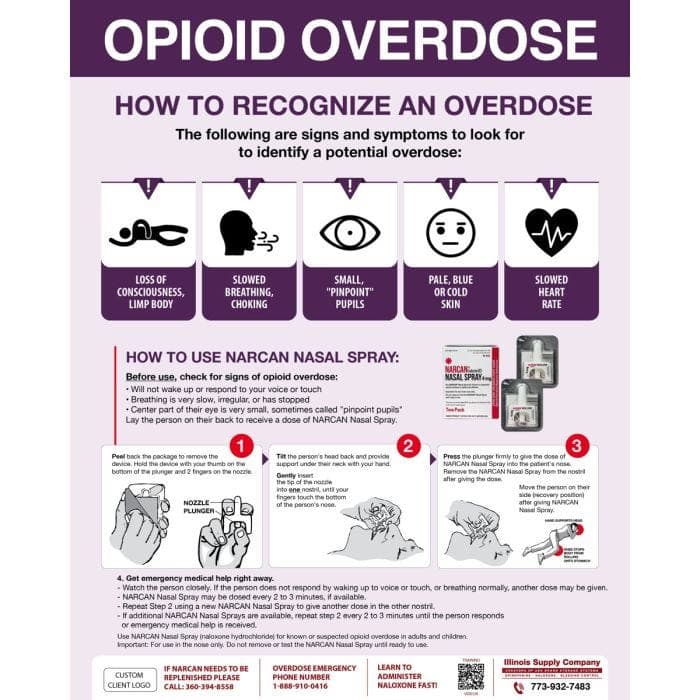
West Iron County schools are putting Narcan in the hands of trained staff, giving employees authority to use the opioid overdose medication on anyone on school property who appears to be in danger, including students, staff, parents or visitors.
The school board approved the policy at its May 19 meeting, setting up a formal response to suspected opioid overdoses in a district that covers more than 560 square miles in Michigan’s Upper Peninsula. Under the policy, trained employees may administer an opioid antagonist such as naloxone, commonly known as Narcan, while also calling 911 and notifying a student’s parents as soon as possible if a student is involved.
The change is meant to move emergency procedures onto firmer ground, but it also surfaced unease about liability and the reach of the district’s role. Trustee Ryan Meske raised the sharpest concerns, questioning what the policy could mean for liability and whether it could affect school nurse Tess Newby’s license, even with Michigan’s Good Samaritan protections in place.
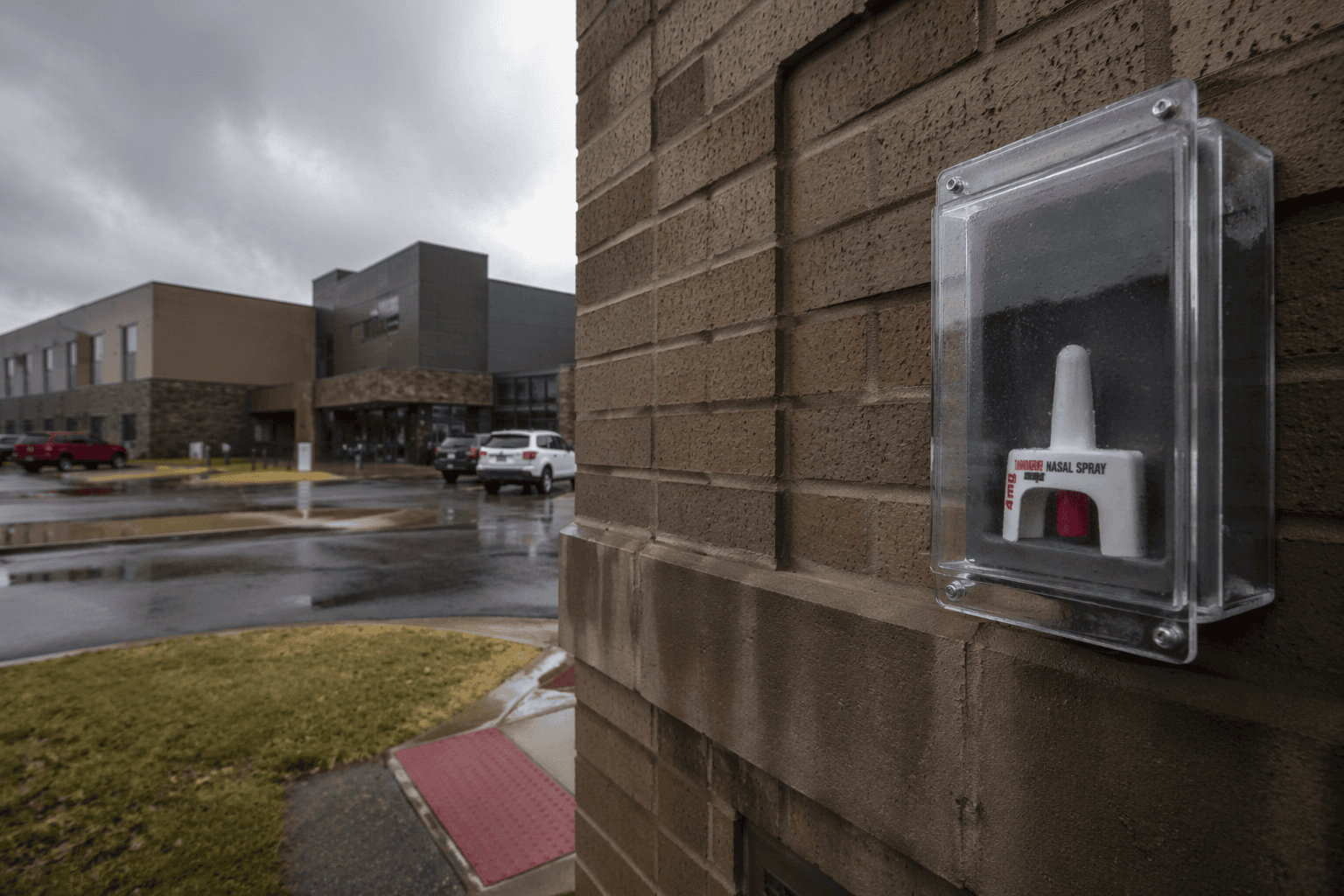
Newby said the medication would be stored in an accessible location, similar to how EpiPens are kept for severe allergic reactions. She also said the district already has a dedicated emergency box that could be used to store opioid antagonists, making the response plan part of existing emergency readiness rather than a separate system.
Superintendent Kevin Schmutzler said the training requirement would fit into the district’s regular fall staff training and would add only a short video segment, about three minutes long. That approach keeps the policy tied to routine preparation, while still acknowledging that an overdose can unfold quickly and with little warning.
Michigan law gives districts room to make that choice. Public Act 39 of 2019, the state’s Administration of Opioid Antagonists Act, allows certain employees or agents of governmental agencies to carry and administer opioid antagonists and provides liability protections for good-faith use. State education guidance also says Michigan schools are not required to stock naloxone, leaving the decision to individual districts. The Michigan Department of Education has said schools may stock and provide an opioid antagonist to a pupil or other individual believed to be experiencing an opioid-related overdose.
The state’s naloxone guidance says anyone can become an overdose first responder and that people are protected from civil liability when administering naloxone, along with some criminal charges when seeking emergency medical services in a suspected overdose situation. Education officials also say districts should communicate medication policy and authorization forms to parents and physicians each year.
The local backdrop matters. West Iron County Public Schools serves a wide rural area, and overdose response options already exist nearby through participating pharmacies, the Dickinson-Iron District Health Department’s Caspian office and Open Arms Substance Abuse Service at the Windsor Center. In Iron County, the policy turns Narcan from an abstract state option into a school-level tool for emergency response.
This article was produced by Prism’s automated news system from verified source data, official records, and press releases, then run through automated quality and moderation checks before publishing. The system is built and supervised by the people who set the standards it runs under. Read our full AI policy.
Know something we missed? Have a correction or additional information?
Submit a Tip