Camano Island owl program draws crowd, spotlights Washington species
A Camano owl talk filled the room and revealed Washington has 15 owl species, turning a free nature program into a local conservation lesson.
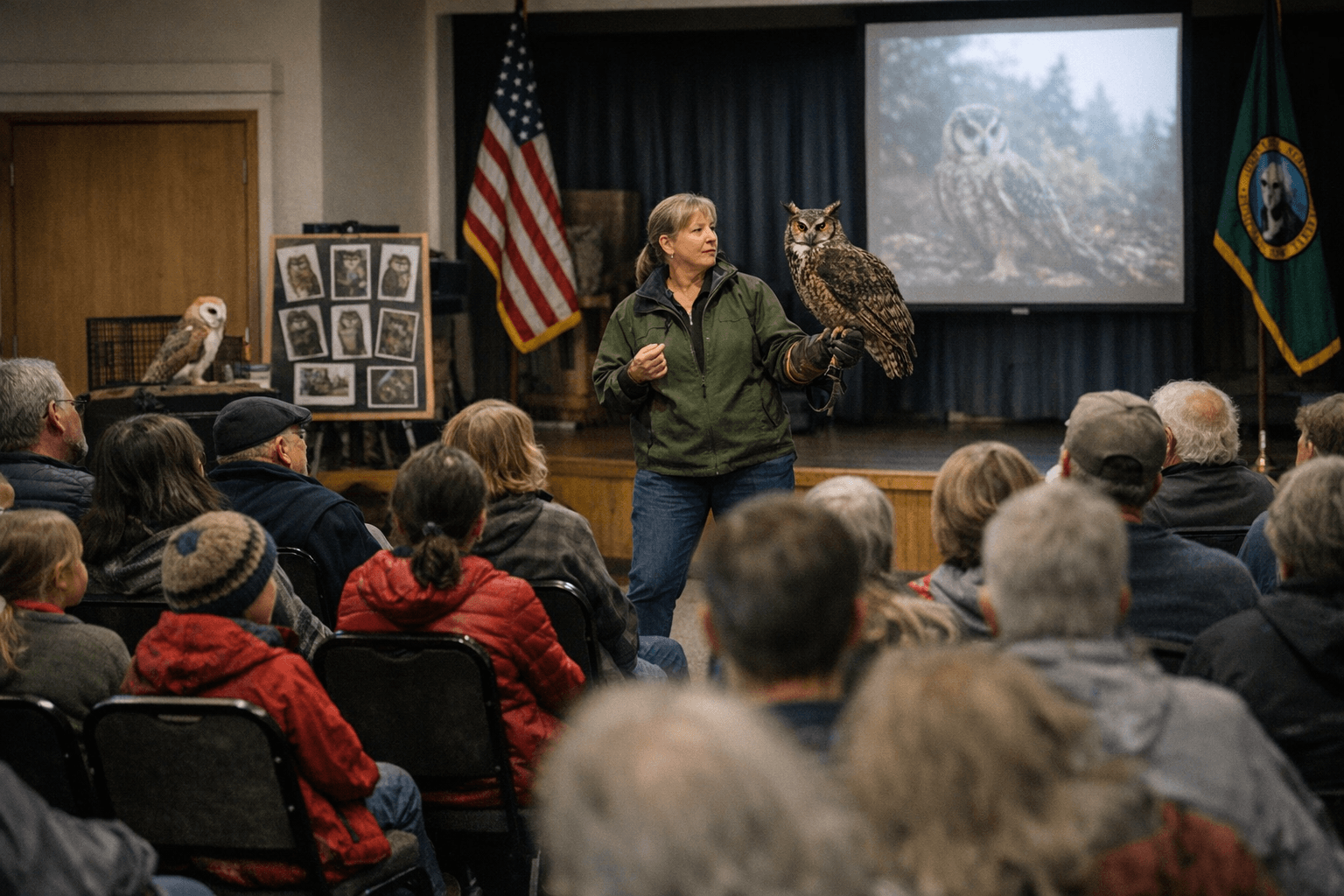
A free owl program drew a full room to the Island County Multi-Purpose Center on Camano Island, where Brian Zinke of the Pilchuck Audubon Society gave residents a closer look at one of Washington’s most elusive bird groups. The standout fact was simple and striking: Washington has 15 owl species sharing its landscapes, a reminder that some of the state’s most familiar nighttime sounds come from a far richer mix of birds than many people realize.
The talk was part of the Camano Wildlife Habitat Project, a Friends of Camano Island Parks-sponsored effort that hosts free public presentations on the third Wednesday of most months at 7 p.m. at the Camano Multi-Purpose Center, 141 NE Camano Drive. The program is free and open to the public, and its mission is direct: keep Camano wildlife-friendly by creating, preserving, enhancing and restoring habitat.
That mission gave the owl presentation a practical edge. The event page framed the program as a family-friendly science and nature talk, with participants learning which owl species live in Washington, what makes them ecologically distinct and why they are so compelling to bird lovers and naturalists. For a county where backyard habitat can shape what people hear after dark, the message landed well beyond birdwatching.
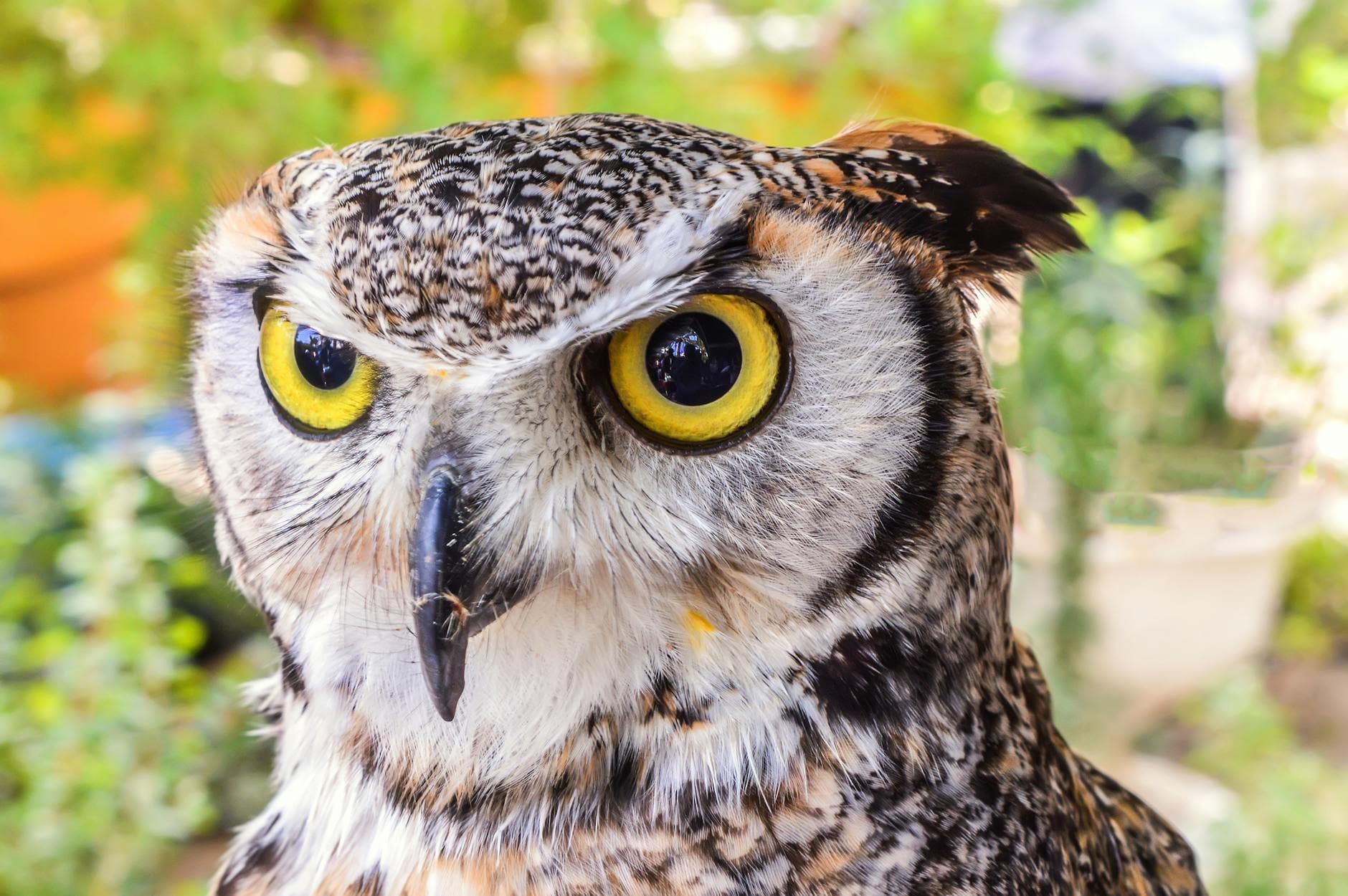
Zinke brought the kind of field experience that gives a talk credibility with both casual listeners and serious birders. He is the executive director of Pilchuck Audubon Society, which serves Snohomish County and Camano Island, and his background includes wildlife biology work in several states, including surveys involving Great Gray and Boreal Owls. That experience helped connect the state’s owl diversity to the larger science of habitat, behavior and conservation.
The evening also reflected something larger about Island County. Camano’s wildlife programming has become a small but visible part of community life, drawing people who want to understand the birds that share their neighborhoods and forests. In a place often discussed in terms of growth and government, the crowd for an owl talk suggested another local priority: keeping enough habitat intact for the species that still move quietly through the county after dark.
This article was produced by Prism’s automated news system from verified source data, official records, and press releases, then run through automated quality and moderation checks before publishing. The system is built and supervised by the people who set the standards it runs under. Read our full AI policy.
Did this article answer your question?