Coupeville weighs new density-bonus code for future development
Coupeville is drafting rules that could let some builders add units for affordable housing, reshaping where growth goes and what neighbors get back.

Coupeville tests a bigger bargain for future housing
Coupeville is weighing a density-bonus code that could change not just how many homes get built, but where the town is willing to trade extra growth for public benefit. The draft would give developers a clearer path to build more units or more floor area than the base code now allows if they meet goals such as affordable housing, open space, or other community standards.
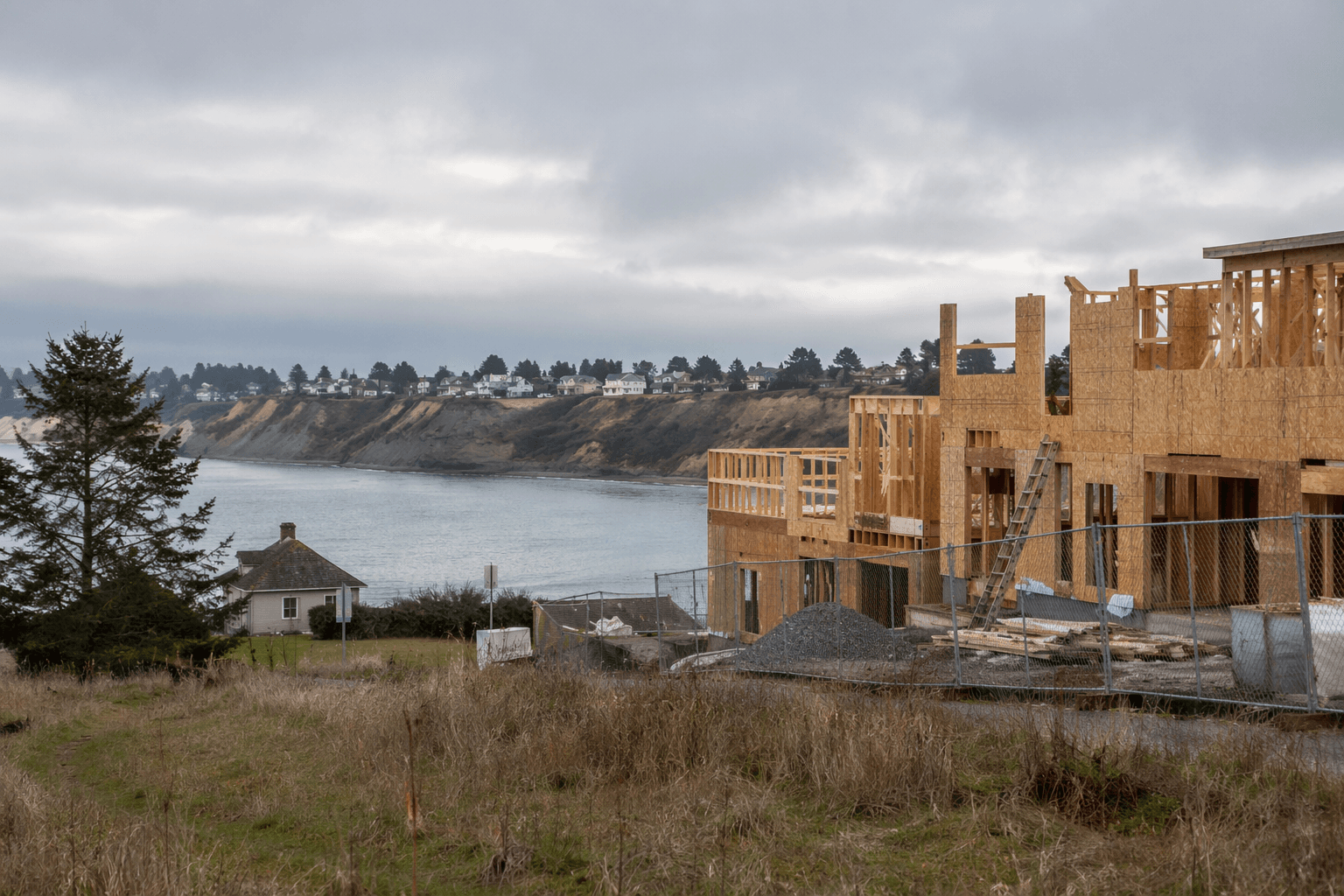
That shift matters because the proposal goes beyond a technical cleanup. It asks a small waterfront town to define what kind of development it wants to encourage, how much change it can absorb, and what local residents should receive in return. In a place where even one project can alter traffic, parking, neighborhood scale, and the look of a street, the code is effectively a map for future bargaining.
What the draft would allow
Town staff drafted the code after feedback from the Washington State Department of Commerce tied to Coupeville’s comprehensive plan update. Under state law, jurisdictions must offer density bonuses to projects developed by religious organizations, and Coupeville’s draft extends that concept to nonprofits and private developers as well.
The town is also looking to push the idea further. At the Coupeville Planning Commission’s June 2, 2026 meeting, staff said the goal is to expand the legislation so density bonuses could apply to any sustainable affordable housing. That is a significant policy signal: the bonus would no longer be limited to a narrow class of applicants, but could become a broader tool for steering growth toward housing the town actually wants.
For developers, the practical value is straightforward. A density bonus can mean more homes on a parcel than the base zoning would otherwise allow. For the public, the trade-off is equally concrete: if a project wants the bonus, it has to deliver something the town values, most likely long-term affordability or another public benefit written into the code.
Why the planning commission is in the middle of it
The Coupeville Planning Commission is responsible for preparing and recommending amendments to the town’s comprehensive plan and land-use regulations. That puts it at the center of the density-bonus debate, because the commission is not just reviewing language, it is shaping the rules that will guide the Town Council’s next move.
Commissioners pressed staff on the details that will determine whether the code is usable or too loose to matter. Their questions focused on parcel sizes, unit capacity, lot coverage, cottage-style housing, and which parts of the code are legally required. Those are not abstract concerns. They decide whether a bonus can fit on a small village lot, how many homes a site can realistically carry, and whether the code supports smaller clustered homes or only larger conventional projects.
That is where neighborhood character comes into view. If the rules allow more compact cottage-style housing, the town could see more small homes on a site. If lot coverage limits stay tight, the bonus may never translate into much added supply. The exact balance will determine whether future projects look like modest infill or like a more visible break from Coupeville’s existing scale.
The public return, and the public risk
The strongest argument for a density bonus is affordability. Town materials say the proposed Density Bonus and Affordable Housing Incentives Code is meant to establish a clear and predictable framework to support long-term affordable housing in Coupeville. That language matters because it suggests the town is trying to move beyond one-off negotiations and create a repeatable process.
Still, the public benefit will only be as strong as the enforcement behind it. Mayor Molly Hughes raised the basic question in the earlier housing discussion: how can the town make sure dwellings remain affordable? She also suggested a public meeting, reflecting the reality that community priorities may have changed since some of Coupeville’s older housing agreements were first written.
The concern is not only affordability. Growth incentives can change parking demand, strain utilities, and add pressure to roads and services. In a town the size of Coupeville, a handful of additional units can be noticeable, especially if they cluster in one area or if the infrastructure was not planned for heavier use. Residents who live near future bonus projects are the ones most likely to feel the change first.
A previous housing fight still hangs over the discussion
This debate is unfolding against the backdrop of a much older land agreement that already shapes development north of Highway 20. In July 2025, Coupeville was discussing a 2004 memorandum of agreement covering 33 acres between Main Street and Broadway Street, divided into nine areas and tied to dwelling credits.
Town materials cited in that discussion said the entire property carried 108 dwelling credits. Of those, 49 had been used, 31 were considered unavailable, and 28 remained across three undeveloped parcels. Officials also said the remaining undeveloped parcels could have a higher potential yield under updated state and town code.
The numbers show how much a code change can matter in a place like Coupeville. Without the old agreement, the undeveloped parcels could have increased from 28 to 51 dwellings under updated rules. If up to 31 unavailable credits were transferred, town materials said the total could reach 59 dwelling credits. If the agreement were amended to follow the Revised Code of Washington, the undeveloped parcels could potentially allow 66 dwellings.
Those are not just planning abstractions. They are the kind of numbers that decide whether a parcel stays relatively low-density or becomes one of the town’s most consequential housing sites. They also show why a density-bonus code and an older dwelling-credit agreement can collide: both are tools for managing growth, but they can point in different directions unless the town writes the rules carefully.
What comes next for Coupeville
The planning commission’s task is to turn those competing pressures into a code the Town Council can use. The draft is meant to give Coupeville a clearer, more predictable way to ask for public benefits when it allows extra development, while also keeping the town from improvising each time a proposal appears.
That will decide whether density bonuses become a narrow exception or a serious housing strategy. In Coupeville, where one project can shape a block, a view, and the daily rhythm of a neighborhood, the code will help determine whether future growth feels negotiated, intentional, and tied to affordability, or whether it arrives as an added burden with little return.
This article was produced by Prism’s automated news system from verified source data, official records, and press releases, then run through automated quality and moderation checks before publishing. The system is built and supervised by the people who set the standards it runs under. Read our full AI policy.
Know something we missed? Have a correction or additional information?
Submit a Tip