Ebey’s Landing reserve blends history, farms and recreation on Whidbey
Ebey’s Landing is not just scenic Whidbey shoreline. It is a working reserve where farms, trails, and historic preservation still have to coexist, and the balance is fragile.

A landscape that still works
Ebey’s Landing National Historical Reserve is one of the few places in Island County where the island’s past is still visibly tied to its present economy. The reserve stretches across central Whidbey, folding farms, homes, trails, historic buildings, and public lands into one living rural landscape rather than a fenced-off museum.
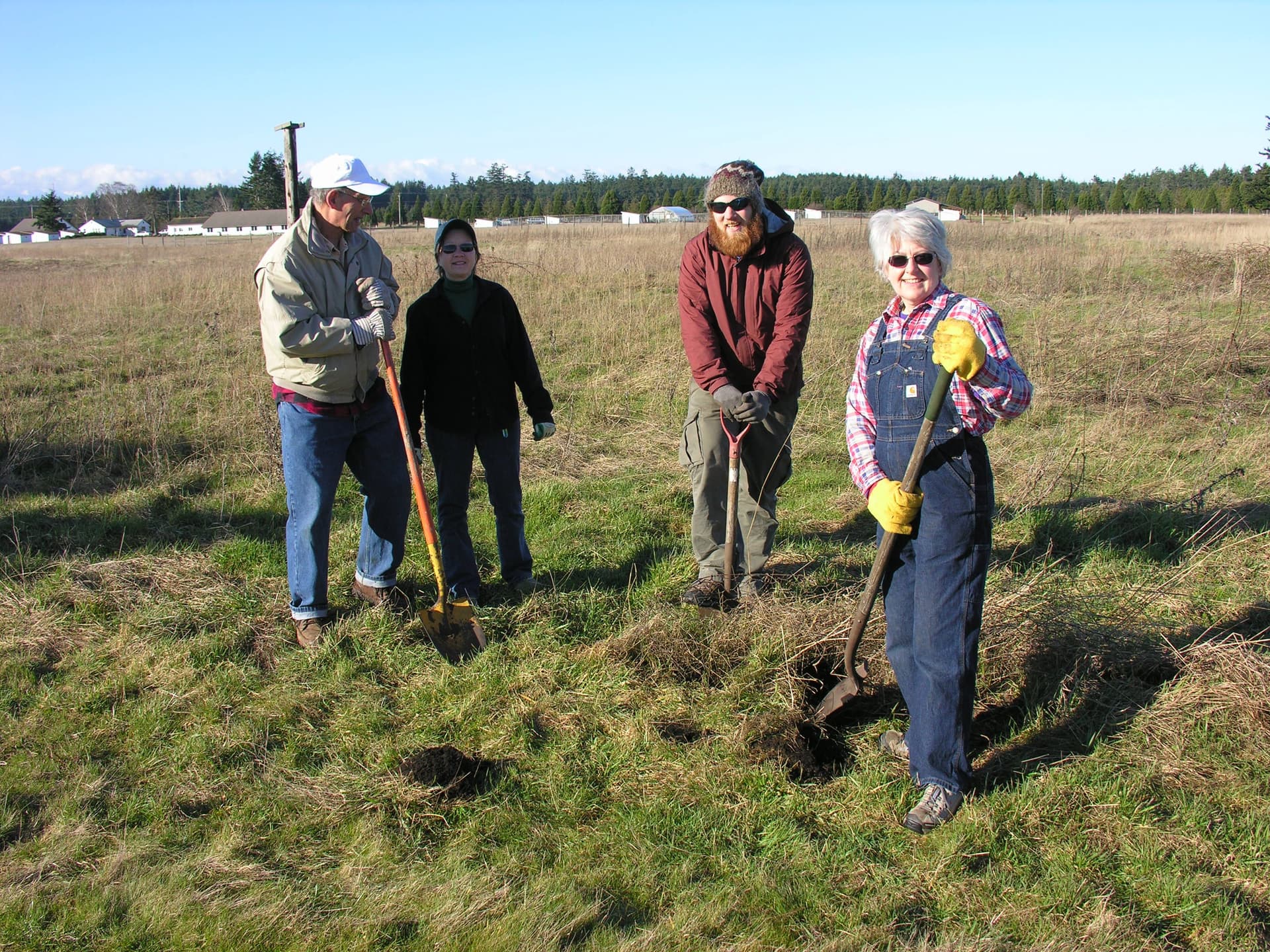
That is what makes it matter now. About 85 percent of the reserve is privately owned, so the future of access, agriculture, and preservation depends on cooperation between landowners, local governments, and park partners. In Coupeville and the surrounding countryside, the reserve is not just scenery. It is the framework that keeps the island’s working landscape recognizable.
What the reserve includes
The reserve was established by the National Parks and Recreation Act of 1978 and became the first national historical reserve in the United States. It covers 17,572 acres in all, including 13,617 acres of land and 3,955 surface acres of water in Penn Cove.
Its footprint is broad enough to hold several of Whidbey’s best-known destinations at once. Visitors are pointed toward Fort Casey, Fort Ebey, Ebey’s Landing State Park, historic Coupeville, and the Kettle trails. The result is a place where one day’s outing can move from a state park bluff to a working farm road to a downtown block with shops and restaurants.
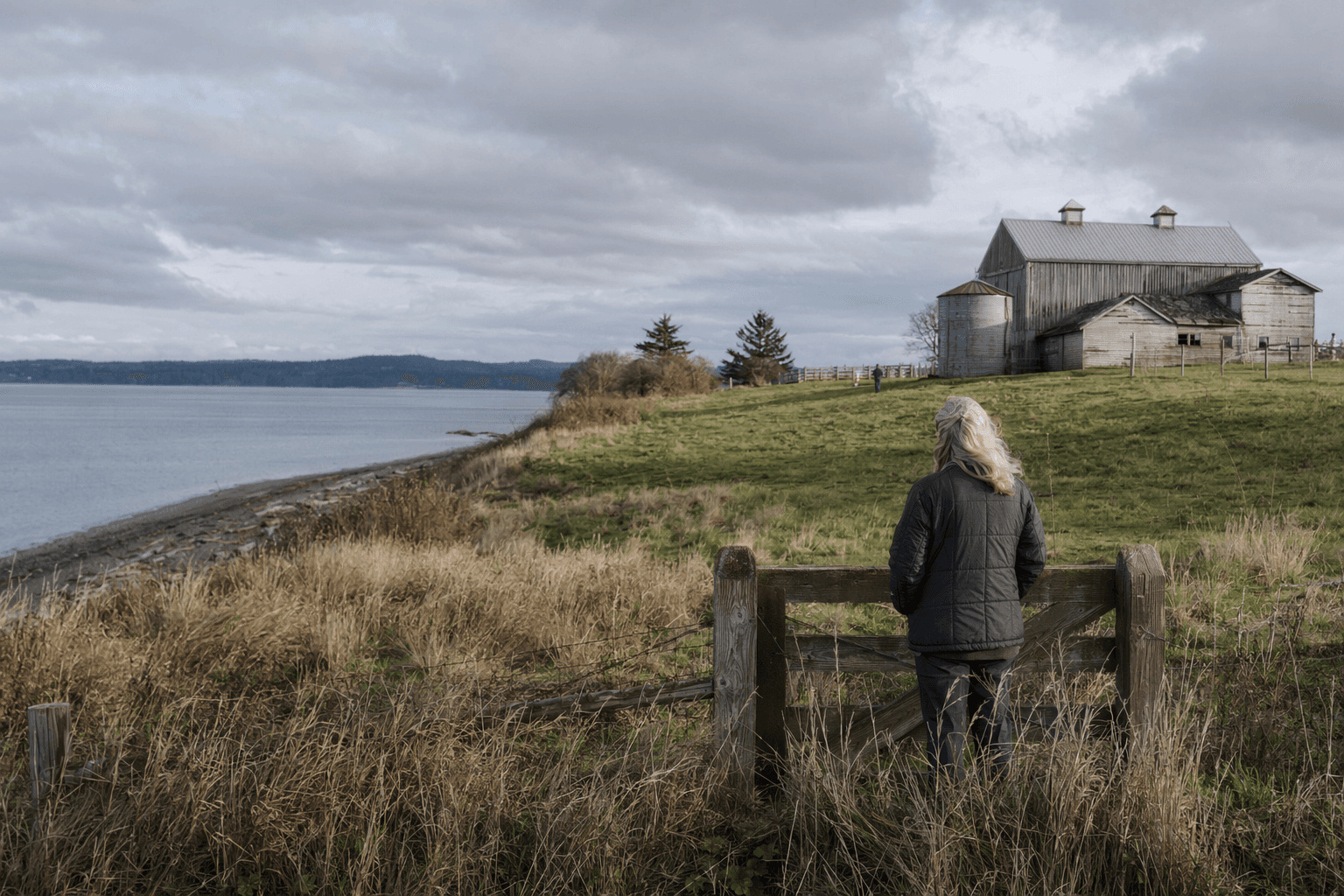
The reserve initially encompassed the 8,000-acre Central Whidbey Historical District, which had already been listed on the National Register of Historic Places in December 1973. That early designation helped set the stage for a larger, more integrated approach to preservation on central Whidbey.
History written into the land
Congress created the reserve to preserve and protect a rural community with an unbroken historical record from 19th-century exploration and settlement to the present. The official story starts even earlier than that. Reserve history materials say Central Whidbey has been inhabited by humans for more than 10,000 years, and identify the Lower Skagit as long-time inhabitants of Central Whidbey and Penn Cove.
Washington State Parks says the Ebey’s Landing State Park Heritage Site lies within Coast Salish traditional territory, and the natural prairies once supported camas and other native plants. That broader history matters because the reserve is not only about Euro-American settlement. It is also about the deeper Indigenous landscape that shaped the peninsula long before the first surveyors and homesteaders arrived.
The reserve commemorates several major milestones: Captain George Vancouver’s 1792 exploration of the Puget Sound area, Colonel Isaac Neff Ebey’s settlement, the 1850 to 1855 Oregon Territory Donation Land Claim era, and Coupeville’s growth since 1883. Reserve materials say Isaac Neff Ebey and Samuel Crockett filed donation claims on central Whidbey by spring 1851, with Ebey encouraging his family to join him. Rebecca Ebey also remains part of that family story. The last known Lower Skagit residents in Central Whidbey, Alex Kettle and his family, lived in Coupeville until Alex’s death in 1947.
Why Coupeville sits at the center of the experience
Coupeville is not just near the reserve. It is inside it. That gives the town a role that is both practical and symbolic, because a visitor can move through the reserve by driving, walking, or stopping in town for the museum, shops, and restaurants.
The National Park Service highlights Fort Casey, Fort Ebey, Ebey’s Landing State Park, Coupeville, and the Kettle trails because each piece reveals a different layer of the same place. Forts and trails show the military and recreational side of the landscape. Coupeville shows the lived-in, everyday side, where people still work, serve meals, keep businesses open, and maintain historic buildings in the same area that draws visitors for its views.
For Island County, that blend is the point. The reserve helps keep the island’s history visible, but it also keeps money circulating through tourism, small businesses, and the local farm economy. Preservation here is not an abstract goal. It is tied to whether the rural character that draws visitors can survive real-world pressure from development, rising costs, and competing land uses.
How the reserve is managed
Ebey’s Landing is managed through a nine-member Trust Board representing the Town of Coupeville, Island County, Washington State Parks and Recreation Commission, and the National Park Service. The National Park Service says the board works through partnerships to preserve and protect the reserve so it remains a living, rural community with an unbroken historical record.
That shared structure is important because so much of the reserve is private. The model depends on trust, not just regulation. Public participation is welcomed at board meetings and workshops, which gives residents, landowners, and preservation advocates a direct role in shaping how the landscape is stewarded.
The reserve is also still evolving. In 2018, partners worked to add land and property to the reserve, a reminder that this is an active preservation project, not a finished one. The boundary may be established, but the work of balancing public access, farming, and conservation continues.
What to look for when you visit
Ebey’s Landing works best when you treat it as a connected landscape rather than a single stop. The NPS points visitors to several anchors, and each one reveals a different part of central Whidbey’s story.
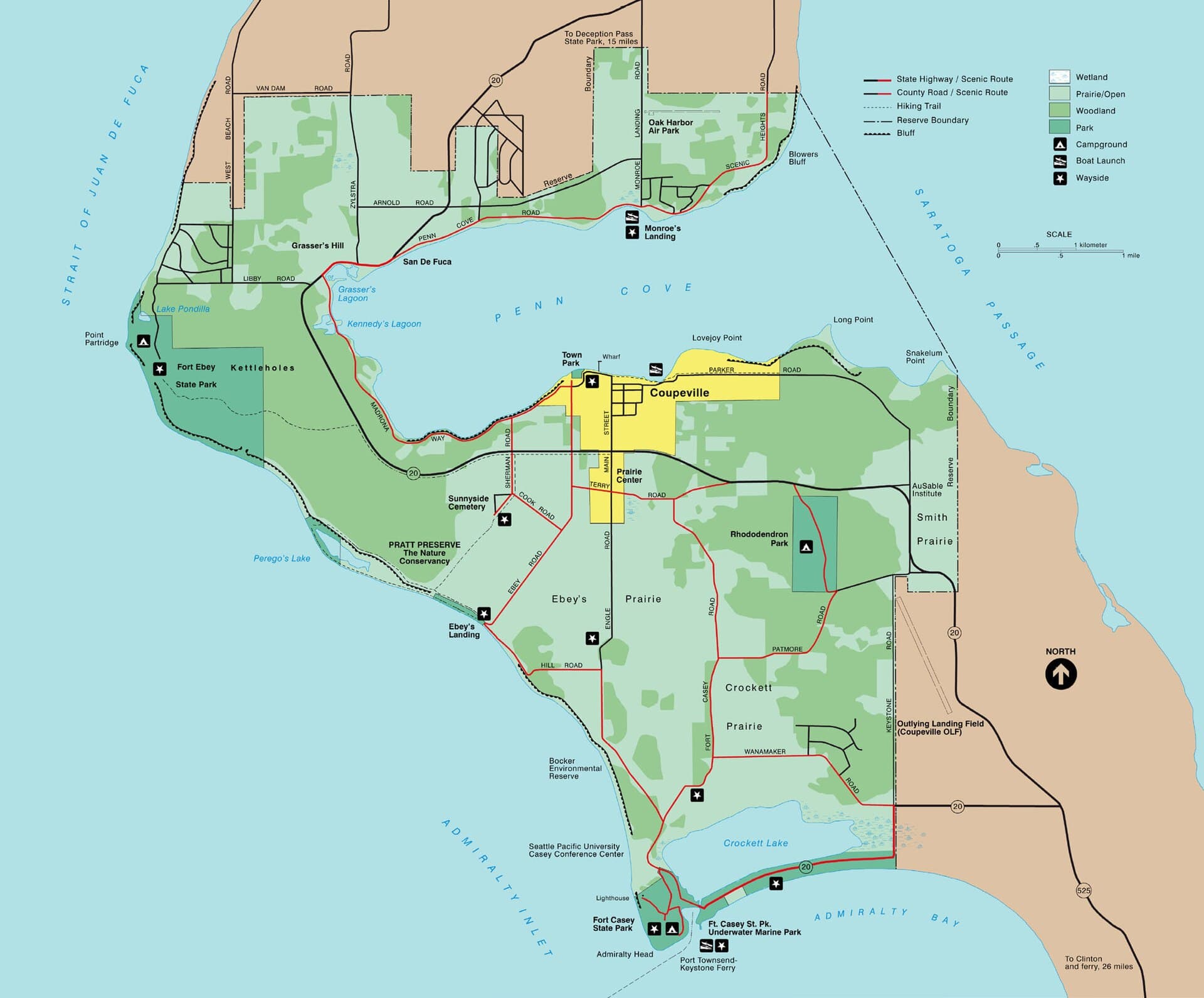
- Fort Casey and Fort Ebey show the military and coastal defense chapters of the island’s past.
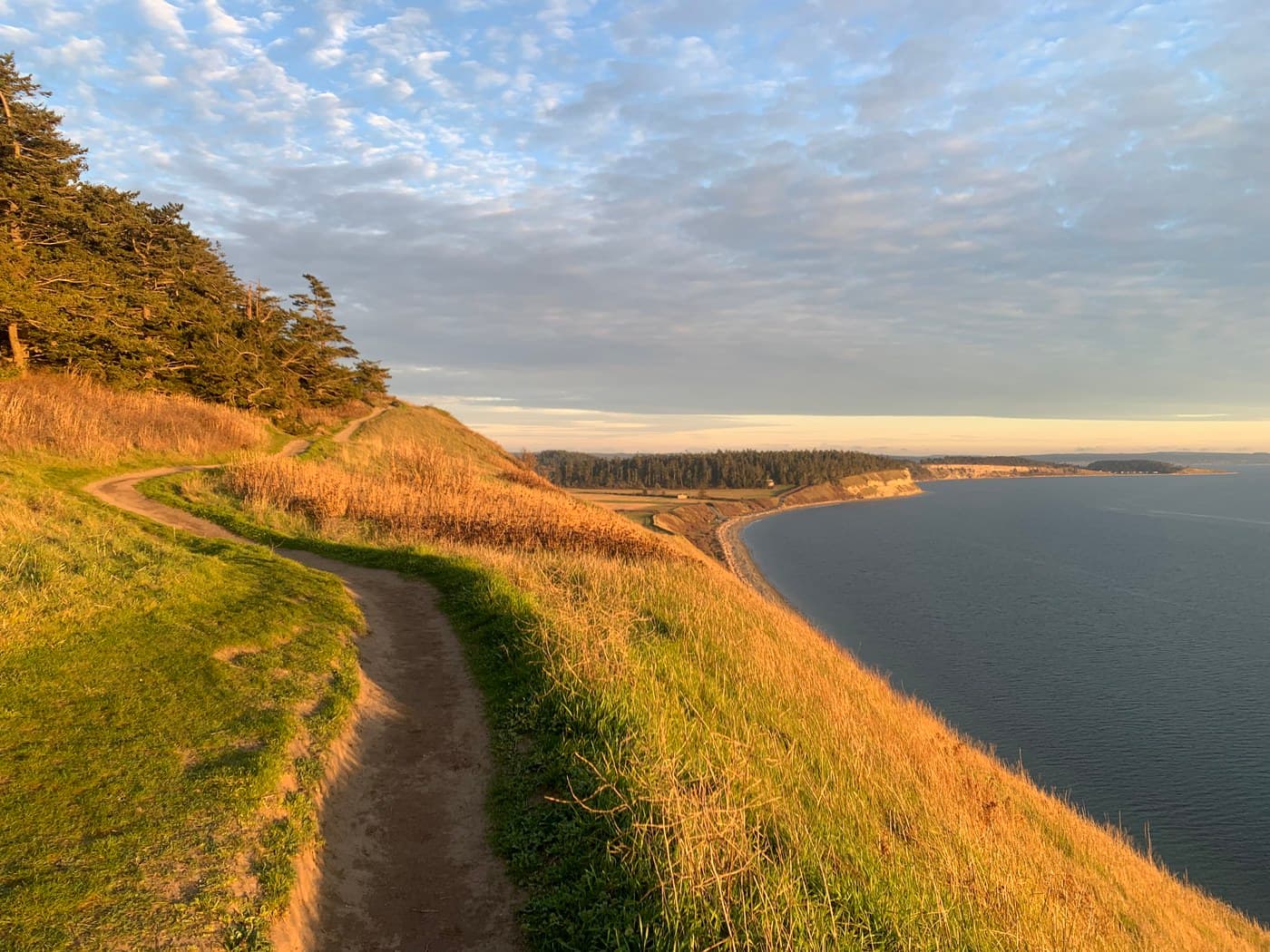
- Ebey’s Landing State Park brings the bluff, prairie, and shoreline into one walkable setting.
- Historic Coupeville offers the town side of the reserve, with buildings, shops, and restaurants inside the protected landscape.
- The Kettle trails connect visitors to the countryside and to the rural pattern that makes the reserve distinctive.
Families get a few added benefits here too. The National Park Service says pets are welcome in many areas, and it offers a Junior Ranger program for kids. Those details matter because they reinforce what the reserve is trying to be: a place that welcomes the public without losing the working character that defines it.
Why the balance matters now
Ebey’s Landing is powerful because it still holds together as a working landscape. The farms, historic sites, private homes, and public trails all depend on one another, and none of them can be treated as separate stories. If the agricultural base weakens, the open space that frames the reserve changes. If public access grows without care, private landowners and farmers can feel squeezed. If preservation loses its economic role, the town and countryside risk becoming less livable for the people who keep them functioning.
That is the central lesson of central Whidbey: the reserve is valuable not because it is frozen in time, but because it still asks residents, visitors, and local institutions to manage change without breaking the rural landscape that makes Island County distinct.
This article was produced by Prism’s automated news system from verified source data, official records, and press releases, then run through automated quality and moderation checks before publishing. The system is built and supervised by the people who set the standards it runs under. Read our full AI policy.
Did this article answer your question?