Island County approves five-year homeless housing plan amid rising need
Island County approved its new five-year homeless housing plan as January counts showed 173 homeless residents and 1,229 people homeless or unstably housed statewide in the same month.

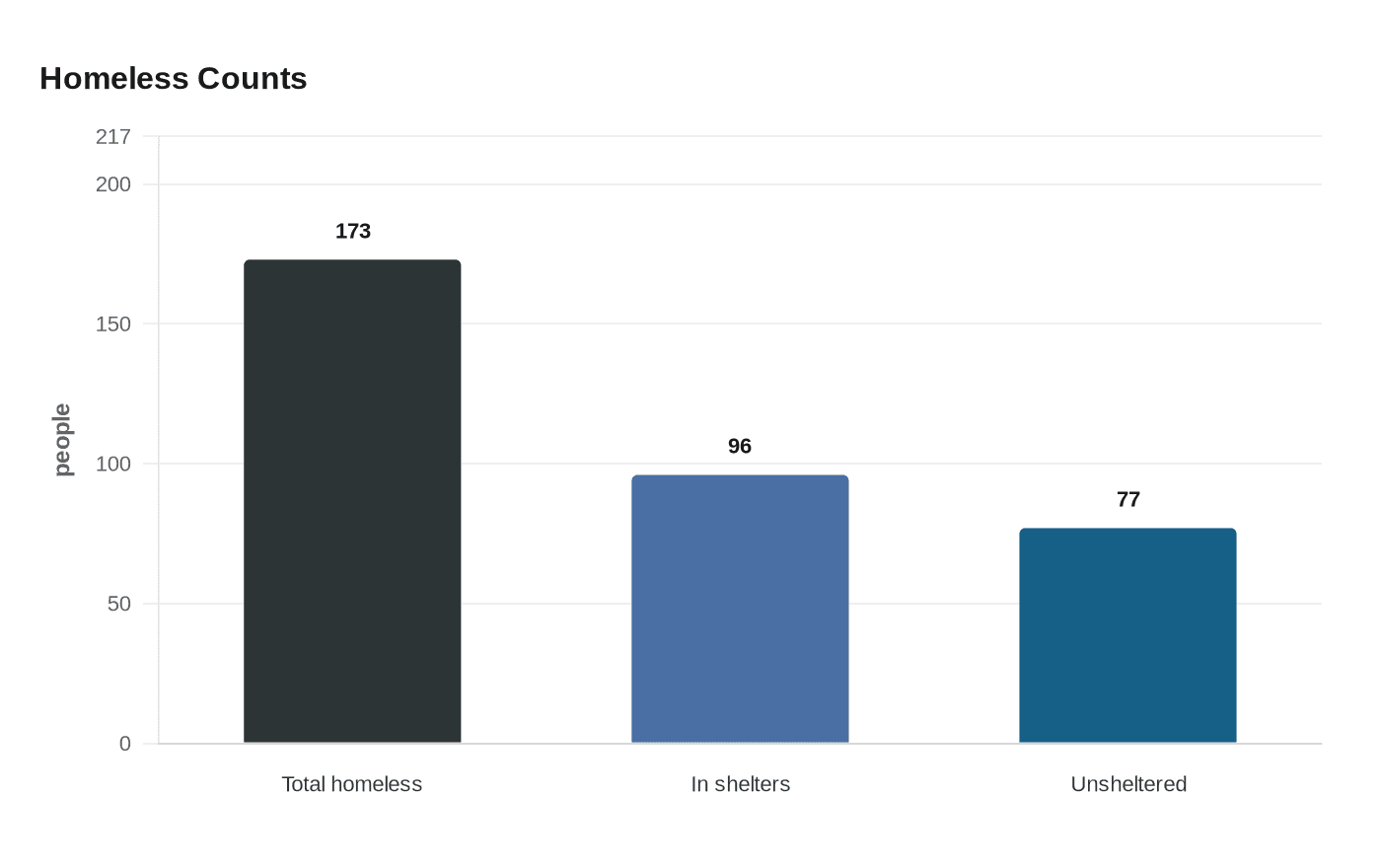
Island County approved its new five-year homeless housing plan just as January figures underscored how thin the margin has become for people without stable shelter. The county counted 173 homeless residents in its point-in-time survey, including 96 in shelters and 77 unsheltered, while a separate state snapshot found 1,229 people homeless or unstably housed that month.
The plan is required by Washington state law and will be updated annually. It was developed by the Island County Homeless Housing Task Force after four meetings last year, building on the county’s earlier five-year plan, which was assembled in July 2019 and finalized by November 2019. The draft task force included representatives from the Housing Authority of Island County, Opportunity Council, Ryan’s House for Youth, Mission Ministries Outreach, Pamoja Place, NAMI Sno-Isle, the Oak Harbor Police Department, SPiN Cafe, Citizens Against Domestic Abuse, the Whidbey Homeless Coalition, Island County Public Health, Island County Planning and the Community Resource Center of Stanwood Camano. The task force said it wanted an action plan with “attainable, clear and equitable goals.”

The plan lands in a tight fiscal moment. Housing program manager Emily Wildeman told commissioners in January that Island County collected $447,000 in document-recording fees in 2024, down from more than $1 million in 2021, as real-estate transactions slowed. At the same time, the county’s consolidated homeless grant was cut 20 percent, from $3.5 million to $2.7 million over two years. Washington Department of Commerce guidance now directs 80 percent of that grant to low-barrier projects, and says service providers can no longer terminate clients for lack of engagement. Commissioner Jill Johnson criticized the approach as too optimistic and said the county’s time, staffing, funding and policy limits were not fully reflected in the document. Wildeman said the plan is meant to guide progress and adjust as needs and funding change.
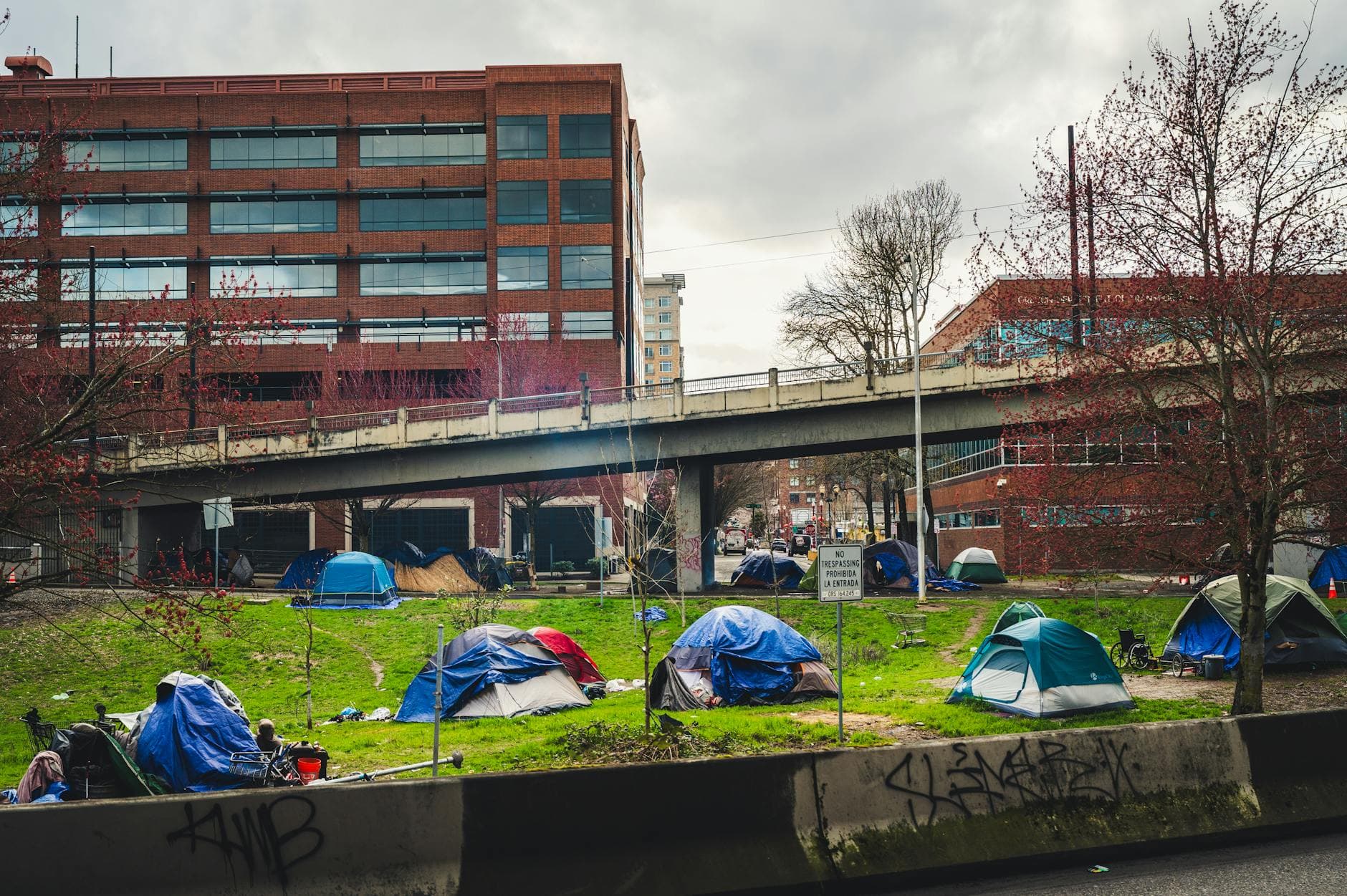
The county is trying to build housing alongside the plan. Island County has been spending money from its 1/10th of 1 percent affordable-housing sales tax, adopted in 2022 after House Bill 1590. County officials said projects funded over the last four years could produce more than 250 units. That list includes a $999,000 county contribution to buy a six-unit apartment building in Coupeville, plus $401,000 for repairs, and a possible $950,000 land purchase in Oak Harbor for future apartments. In 2025, Coordinated Entry assisted 903 people, up from 783 in 2019, a sign that more residents are already cycling through the county’s homeless response system. With legal restrictions limiting encampment cleanup and shelter, mental health care and addiction treatment still thin, the plan now faces the same test as the one approved in 2019: whether Island County can turn paper goals into visible change on the ground.
This article was produced by Prism’s automated news system from verified source data, official records, and press releases, then run through automated quality and moderation checks before publishing. The system is built and supervised by the people who set the standards it runs under. Read our full AI policy.
Did this article answer your question?