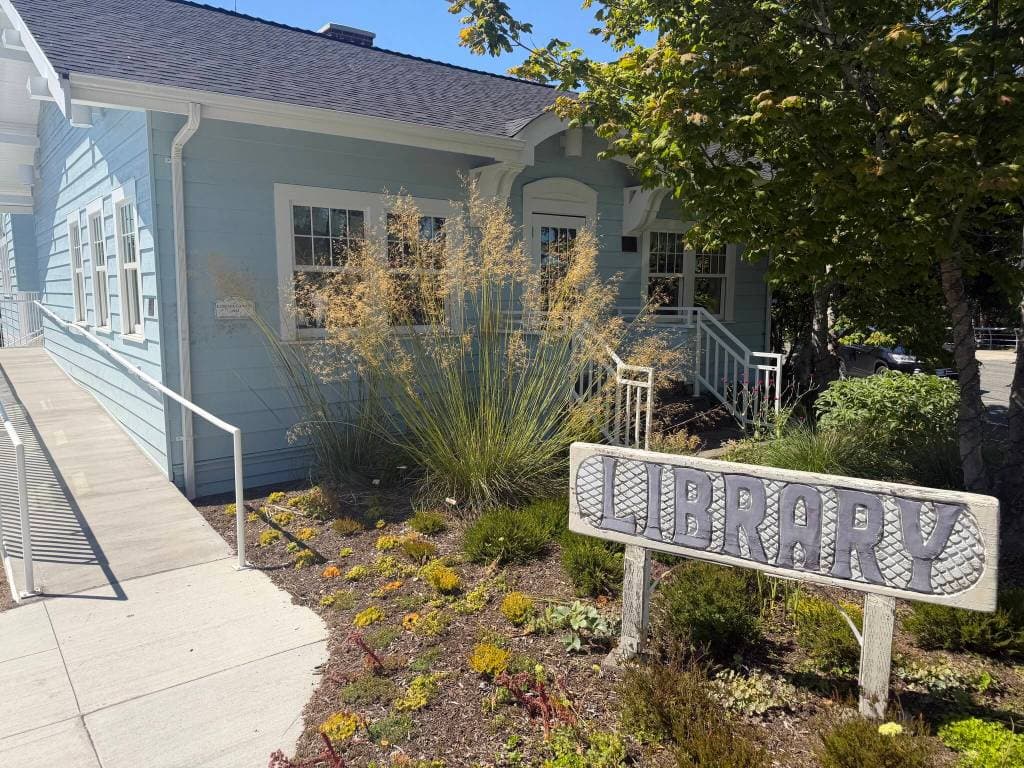
Island County spans two inhabited islands, Whidbey and Camano
Island County is shaped by water, not one town center, with ferries, a split civic geography, and two inhabited islands affecting daily life.
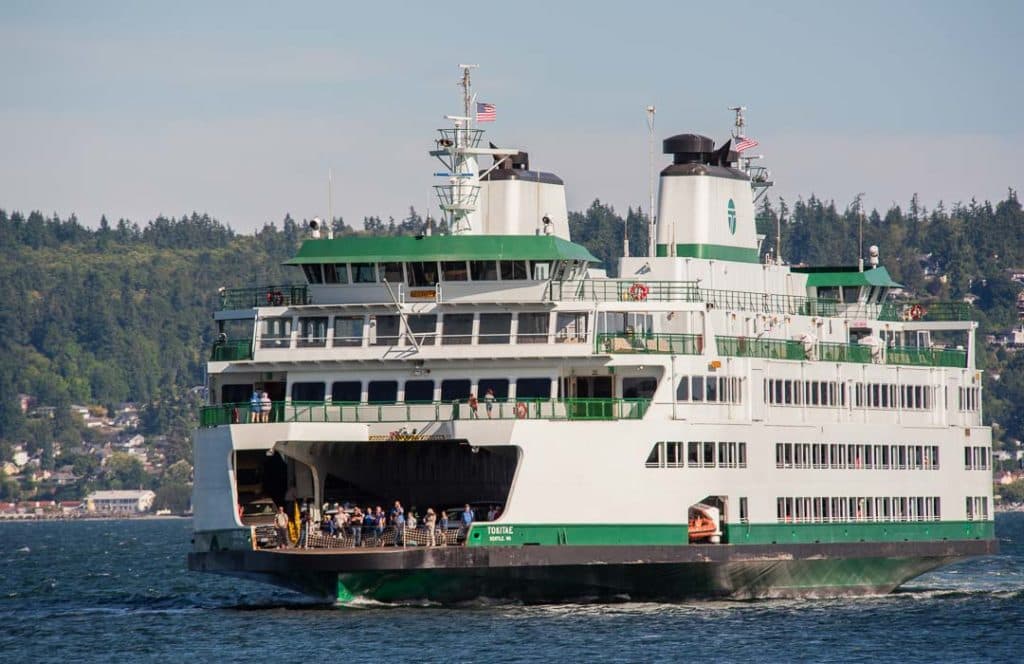
Whidbey Island is the largest island in Washington state, and Island County is divided across Whidbey and Camano, plus several smaller uninhabited islands. That geography shapes where people live, work, shop, and travel every day. The county feels more like a network of communities than a single metro area.
A county built around islands, not borders
Residents often identify with North Whidbey, Central Whidbey, South Whidbey, or Camano Island before they identify with the county as a whole. Water and distance create natural breaks between communities, so the county’s institutions have to serve people spread across separate land masses rather than around one central downtown.
That spread is visible in the county’s size and population profile. The U.S. Census Bureau counted 86,857 residents in the 2020 census, while Census Reporter’s ACS 2024 1-year profile lists 86,478 residents, a median age of 46.3, land area of 208.5 square miles, and a density of 414.8 people per square mile.
Coupeville, Oak Harbor, and the county’s split center of gravity
Island County’s history and its present-day economy do not line up neatly in one place. Coupeville, on Whidbey Island, is the historical county seat, a reminder that the county’s administrative center grew from older settlement patterns rather than from the largest population base. Oak Harbor is the county’s largest town and home to Naval Air Station Whidbey Island, the county’s primary employer, which gives it a very different daily rhythm from Coupeville’s government and heritage role.
Civic identity, tourism, military life, and local government are spread across different communities, so residents often deal with one part of the county for work, another for county business, and another for recreation or shopping.
How the ferries organize daily life
Transportation is where Island County’s geography becomes most visible. Washington State Ferries serves Whidbey Island with two routes: Mukilteo to Clinton and Port Townsend to Coupeville. Washington State Department of Transportation schedules list the Mukilteo to Clinton crossing at about 20 minutes and the Coupeville to Port Townsend crossing at about 35 minutes. Those crossings shape work commutes, errands, and visitor traffic.
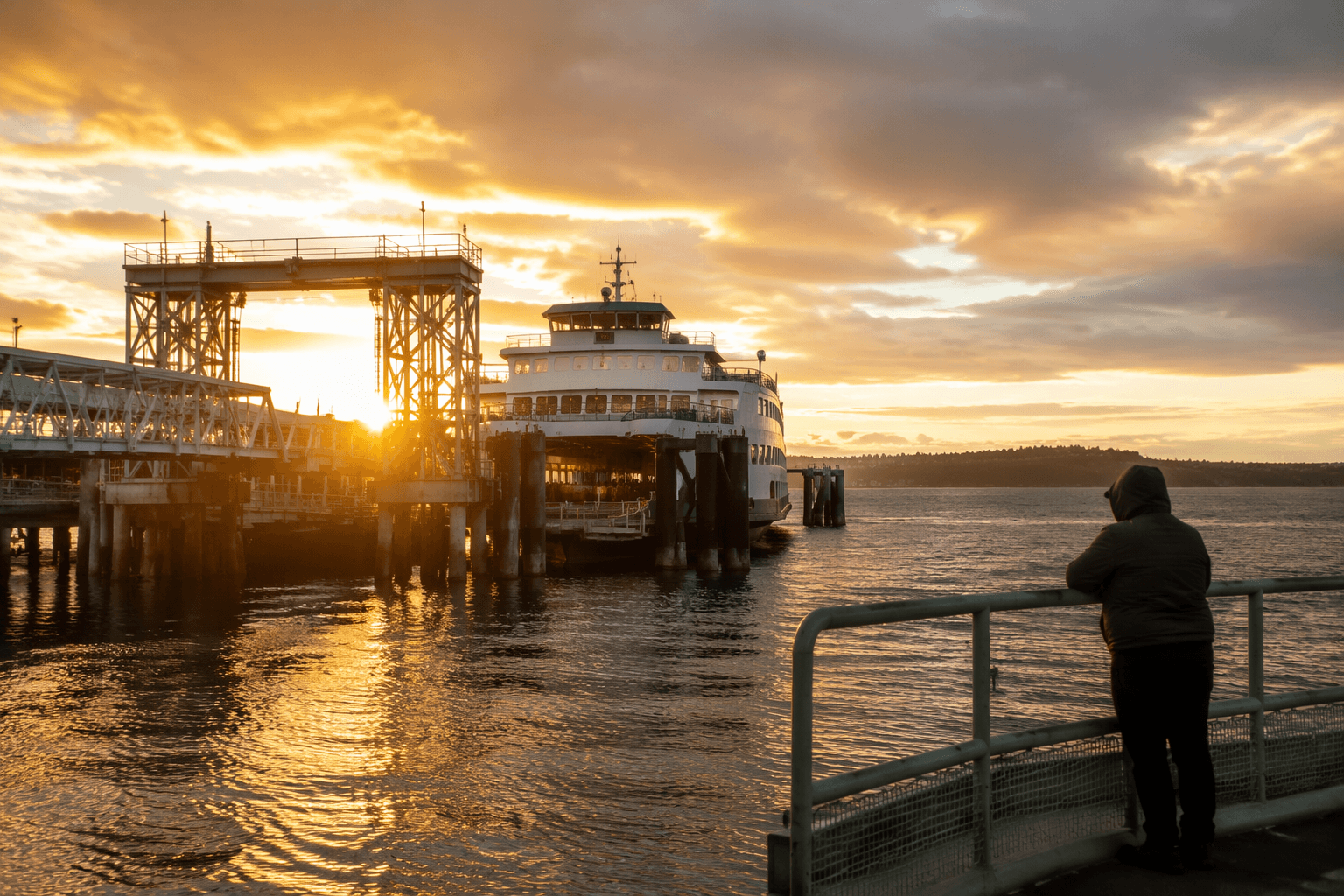
The Coupeville to Port Townsend route also shows how the ferry system is built into local logistics. Passenger and vehicle fares are collected at Coupeville and Port Townsend, reinforcing the fact that ferry travel is not an occasional novelty but part of the county’s routine infrastructure.
What the county’s geography means for residents and visitors
Because the county is segmented, daily life tends to be local first and countywide second. People on Camano Island live with a different access pattern than people on Whidbey, and even within Whidbey, North, Central, and South Whidbey each have their own pace and landmarks. That reality shapes where people run errands, which events they attend, and how often they move between communities for routine needs.
Businesses and newcomers have to adapt to that same structure. Island County is best understood as a network of place-based communities connected by ferries, roads, and shared county institutions, not as a single centralized market. It affects how quickly a worker can reach a job in Oak Harbor, how easily a family can move between towns, and how much planning a simple cross-county trip requires.
Heritage, tourism, and stewardship
The county’s island identity also affects how it is presented to visitors. The Whidbey and Camano Islands tourism site uses the slogan “The Shortest Distance to Far Away,” a phrase that captures the county’s close-to-the-mainland but distinctly separated feel. Many featured sites are sacred to Indigenous peoples and important to island communities.
Why the county’s age still matters
Island County was founded on January 6, 1853. Coupeville remains the historical county seat, Oak Harbor anchors population and employment, and the ferry system ties the whole county together across water.
This article was produced by Prism’s automated news system from verified source data, official records, and press releases, then run through automated quality and moderation checks before publishing. The system is built and supervised by the people who set the standards it runs under. Read our full AI policy.
Did this article answer your question?