Island County to Delay Lone Lake Phosphorus Treatment, Seek Broader Grants
County staff on December 12 recommended against pursuing a limited Ecology freshwater algae grant for Lone Lake, citing a funding shortfall and the need for more data. The decision shifts focus to monitoring nutrient sources, regional aquatic plant removal funding, and a plan to revisit algae specific grants in 2027, matters that affect public health, recreation, and shoreline property owners.
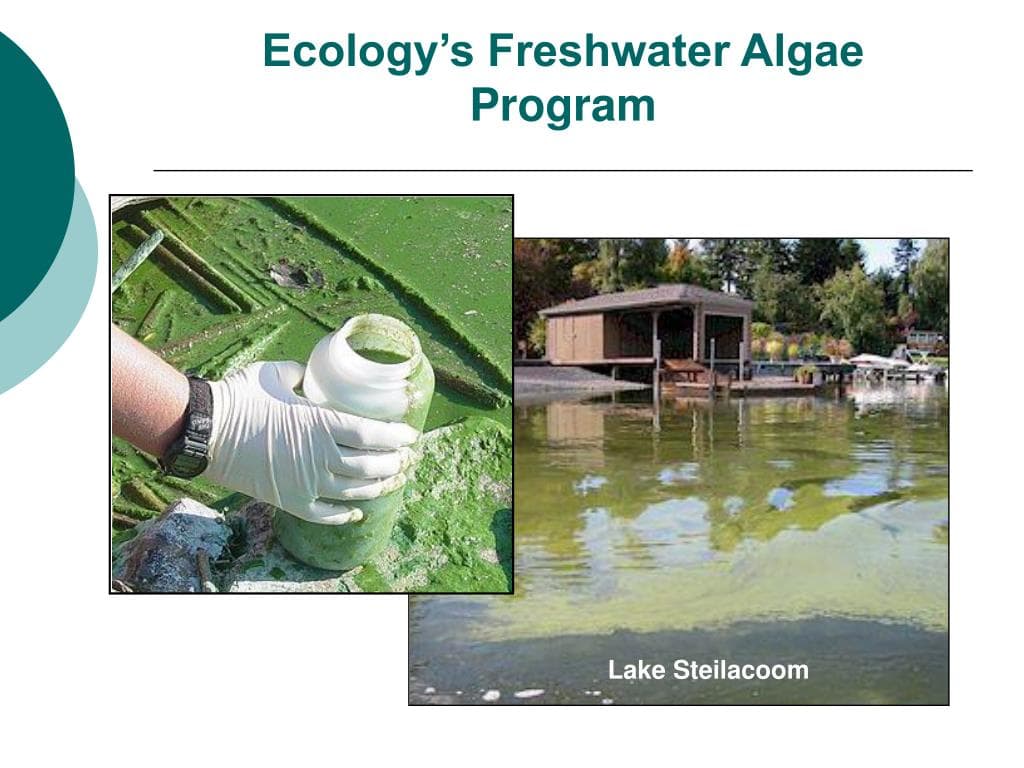
Island County public health and natural resources staff recommended on December 12 that the county not apply specifically for an Ecology Freshwater Algae Program grant to fund phosphorus treatment at Lone Lake on South Whidbey. The Ecology grant would have capped at roughly fifty thousand dollars, while county estimates for full phosphorus treatment of Lone Lake run to about two hundred fifty thousand dollars over five years. Staff concluded that the grant alone would not cover the scale of work required.
Officials advised prioritizing a systematic program of monitoring and source identification before committing to costly remediation. Recommended work includes targeted testing to locate nutrient inputs such as fertilizer, failing septic systems, and stormwater runoff. That data is intended to shape effective long term treatment strategies and reduce the risk of recurring cyanobacteria blooms commonly described as blue green algae.
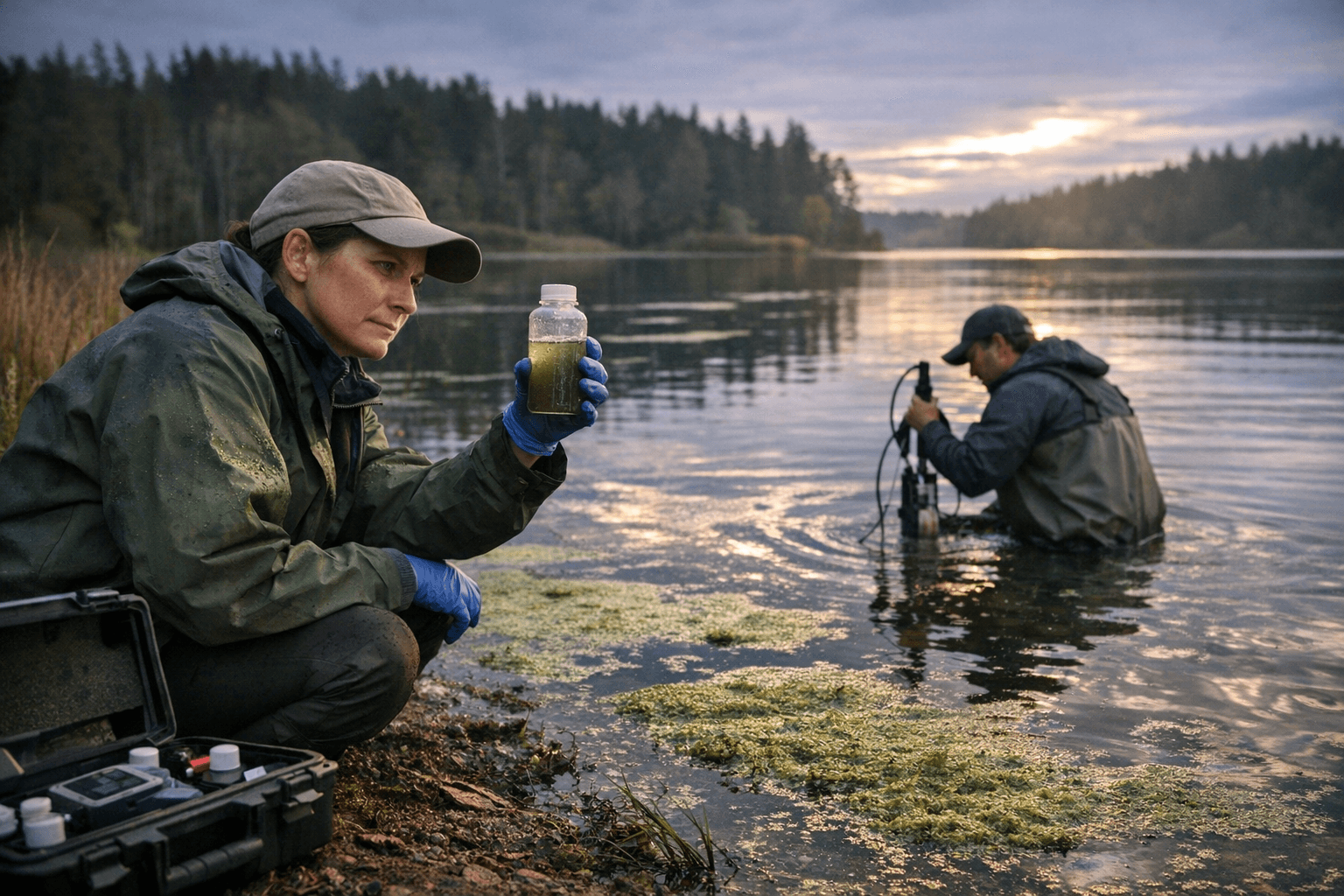
At a county panel discussion staff recommended pursuing funding that supports removal of invasive aquatic plants across multiple lakes, rather than a one lake phosphorus project. They also recommended adding lake monitoring tasks to the Public Health 2026 work plan, with a goal of developing sufficient data to pursue algae specific grants in 2027. County commissioners expressed uncertainty about which governmental entity holds primary responsibility for Lone Lake and directed staff to research state funded algae treatment opportunities and a county lake monitoring program.
The decision matters to residents because Lone Lake has experienced recurring toxic cyanobacteria blooms that raise public health concerns and affect recreation and shoreline uses. By emphasizing monitoring and regional projects, county leaders aim to build a stronger scientific foundation for future interventions and to leverage larger, more cost effective funding opportunities.
Next steps include integrating lake monitoring into the 2026 public health agenda, researching state support options, and returning to commissioners with findings and potential grant applications ahead of a planned 2027 algae grant effort. The approach reflects a preference for evidence based, multi lake solutions to a persistent local environmental challenge.
Know something we missed? Have a correction or additional information?
Submit a Tip