Island County Urges Households to Pack Go Bags for Emergencies
Island County urges every household, on Whidbey and Camano, to assemble a grab-and-go bag for wildfire, flood, earthquake or prolonged power outage.
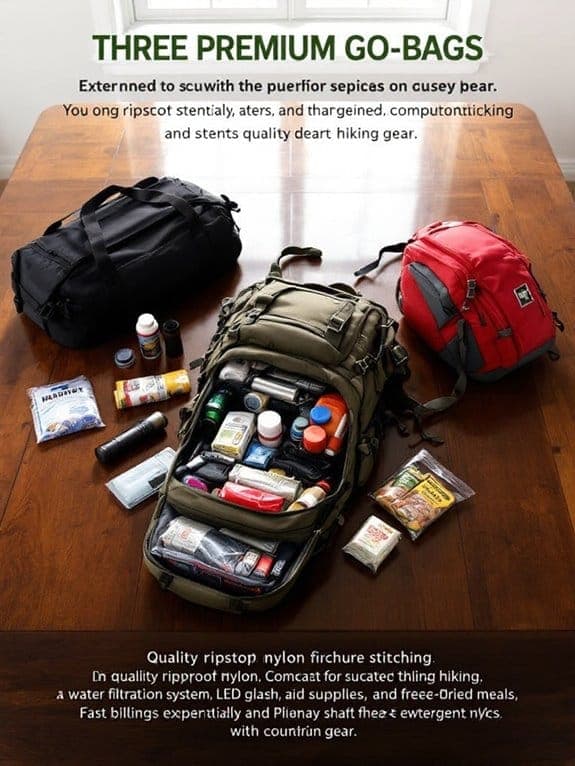
Island County’s official emergency preparedness resources recommend that every household prepare a “go bag” (also called a grab bag) with essentials to leave quickly for wildfire, flood, earthquake, prolonged power outage, or other emergencies. Below is a step-by-step, county-focused guide to what to pack, why each item matters given local risks, and practical tips for keeping your bag ready.
1. Water: at least 1 gallon per person per day for three days
Island County’s guidance centers on being able to leave home fast and remain self-sufficient for the initial period after an emergency. Pack one gallon of potable water per person per day and aim to store at least three days’ supply in your go bag or nearby vehicle if space is limited. For those on Whidbey and Camano islands, where ferry disruptions or road closures can delay resupply, consider adding extra water or long‑shelf emergency water pouches designed for field use.
2. Ready-to-eat food: three days’ worth, nonperishable and easy to open
Because wildfire, flood, and earthquakes can cut power and access to stores, include three days of nonperishable, calorie-dense foods that require no cooking, energy bars, canned meals with pull tabs, ready-to-eat military rations or vacuum-packed options. Rotate and replace food annually to keep calories and nutrition reliable; label items with the purchase or rotation date to make annual checks simple.
3. Basic first-aid kit and prescription medicines
Island County emphasizes treating minor injuries and maintaining chronic care during a rapid evacuation. Include a compact first-aid kit with bandages, antiseptic wipes, adhesive tape, antibiotic ointment, pain relievers, and a compression bandage. Pack a seven-day supply of any prescription medications in their original containers plus a list of medications, dosages, and your doctor’s contact information; store prescriptions in a sealed plastic bag to protect from moisture.
4. Vital documents and copies: IDs, insurance, and property records
When evacuating for wildfire or flood, paper and digital copies of key documents speed recovery. Keep photocopies (or photos) of driver’s licenses, birth certificates, insurance policies, deeds, prescriptions, and vaccination records in a waterproof pouch in the go bag. Also store a USB flash drive with scanned documents or use a secure digital backup linked to information you can access off‑island if necessary.
5. Lighting, power, and battery supplies
Prolonged power outages are a specific threat named by county planners. Pack a reliable flashlight (not just a phone light), extra batteries, and a compact crank or solar lantern. Include a battery bank (portable charger) that is fully charged and rated to recharge smartphones; keep a short, multi‑device charging cable in the bag. For longer outages, consider a small hand-crank radio or NOAA radio to receive emergency updates if cell service falters.
6. Tools and emergency gear: multi-tool, duct tape, and dust protection
For wildfire and earthquake scenarios, having basic tools can make a difference. Include a sturdy multi‑tool, a compact wrench or pliers, a pocket knife, and duct tape for temporary repairs. Add an N95 or P100 respirator or multiple disposable dust masks to protect against ash and smoke during wildfire conditions, and a pair of heavy work gloves to handle debris or secure property quickly.
7. Clothing and shelter items: layered clothing, sturdy shoes, and a compact blanket
Island County’s varied coastal and inland microclimates mean weather-appropriate clothing matters during displacement. Pack an extra set of layered clothes (moisture-wicking base layer, warm mid-layer, waterproof outer layer), a hat, socks, and a pair of sturdy shoes you can slip on quickly. Include a compact emergency blanket or lightweight sleeping bag and a poncho to stay dry if you must wait outdoors after evacuating.

8. Communications and emergency planning info
Keep a written family emergency plan inside the bag that lists family meeting points, out-of-area contacts, and any evacuation priorities. Include a list of phone numbers, family, neighbors, medical providers, and the nearest Island County emergency hotline or instructions as provided by county resources. Because cell coverage can be spotty in places like north Whidbey, having contact numbers written down ensures you can reach people if your phone battery dies.
9. Items for children, seniors, and pets
Island County’s guidance recognizes that households have different needs; tailor your go bag accordingly. Pack child-specific items such as diapers, formula, a small comfort toy, and spare clothing for quick evacuations. For seniors, include hearing-aid batteries, mobility aids, or a list of medical needs. For pets, assemble a small kit with 3 days of pet food, a leash, proof of vaccination, and a collapsible water bowl so you can evacuate your animal safely.
10. Cash, keys, and vehicle essentials
During emergencies like a wildfire or island flood, ATMs and card systems can be down. Keep small-denomination cash in your go bag so you can buy immediate supplies or transit. Include spare keys for your house and vehicle in a sealed bag. If you keep your go bag in a car, ensure the vehicle has at least a quarter tank of fuel when possible; Island County’s geography can limit quick access to fueling stations during evacuations.
11. Personal safety items and sanitation supplies
Sanitation can become a public health issue in prolonged outages; include hand sanitizer, moist towelettes, toilet paper, and small zip-top bags for waste. Add a whistle to signal rescuers and a small, bright-colored bandana for visibility. Pack a simple dental kit (toothbrush, toothpaste) and feminine hygiene supplies so short-term stays at shelters are more manageable.
12. Maintenance, storage, and readiness routine
Island County advises that a go bag is only useful if maintained. Store your assembled bag in an accessible location by the primary exit of your home, and run a quarterly check to replace expired food, medicines, and batteries. Label the bag with family names and a list of contents; consider a second lightweight grab bag for each vehicle and a “shelter” kit for longer stays at home if you cannot evacuate.
- Review Island County’s official emergency preparedness resources online for any updated checklists or local shelter information and keep that guidance copied into your go bag.
- Assemble your bag this weekend: start with the items you already have (medications, IDs, a flashlight) and add water and food over a two‑week period to spread cost.
- Coordinate with neighbors who may need assistance, households with mobility challenges often rely on nearby neighbors during rapid evacuations.
Practical local steps to take now
Conclusion Island County’s call to assemble go bags is a practical, low-cost step that directly addresses the county’s named threats, wildfire, flood, earthquake, and prolonged power outage, and the logistical realities of island living. Build your bag with the priorities above, store it where you can grab it in under five minutes, and check it quarterly so it serves when it matters most.
This article was produced by Prism’s automated news system from verified source data, official records, and press releases, then run through automated quality and moderation checks before publishing. The system is built and supervised by the people who set the standards it runs under. Read our full AI policy.
Did this article answer your question?