Island Transit eyes Clinton park-and-ride as future ferry bus hub
Island Transit could turn Clinton’s park-and-ride into a safer ferry bus hub, keeping 190 stalls while moving loading off Highway 525.

Island Transit is weighing a change that could reshape the daily ferry routine at Clinton: buying the state-owned park-and-ride near the dock and turning it into a dedicated transit station for South Whidbey riders.
The concept is still early, but it is aimed at a familiar bottleneck. Today, Island Transit says buses in Clinton park alongside the terminal building where ferry walkers exit, mixing bus movements with foot traffic, ferry traffic and Highway 525 congestion. A future station at SR 525 and Deer Lake Road would keep all 190 parking stalls, add a transit-only loading area, shelters, bike lockers and a comfort building for drivers during layovers.
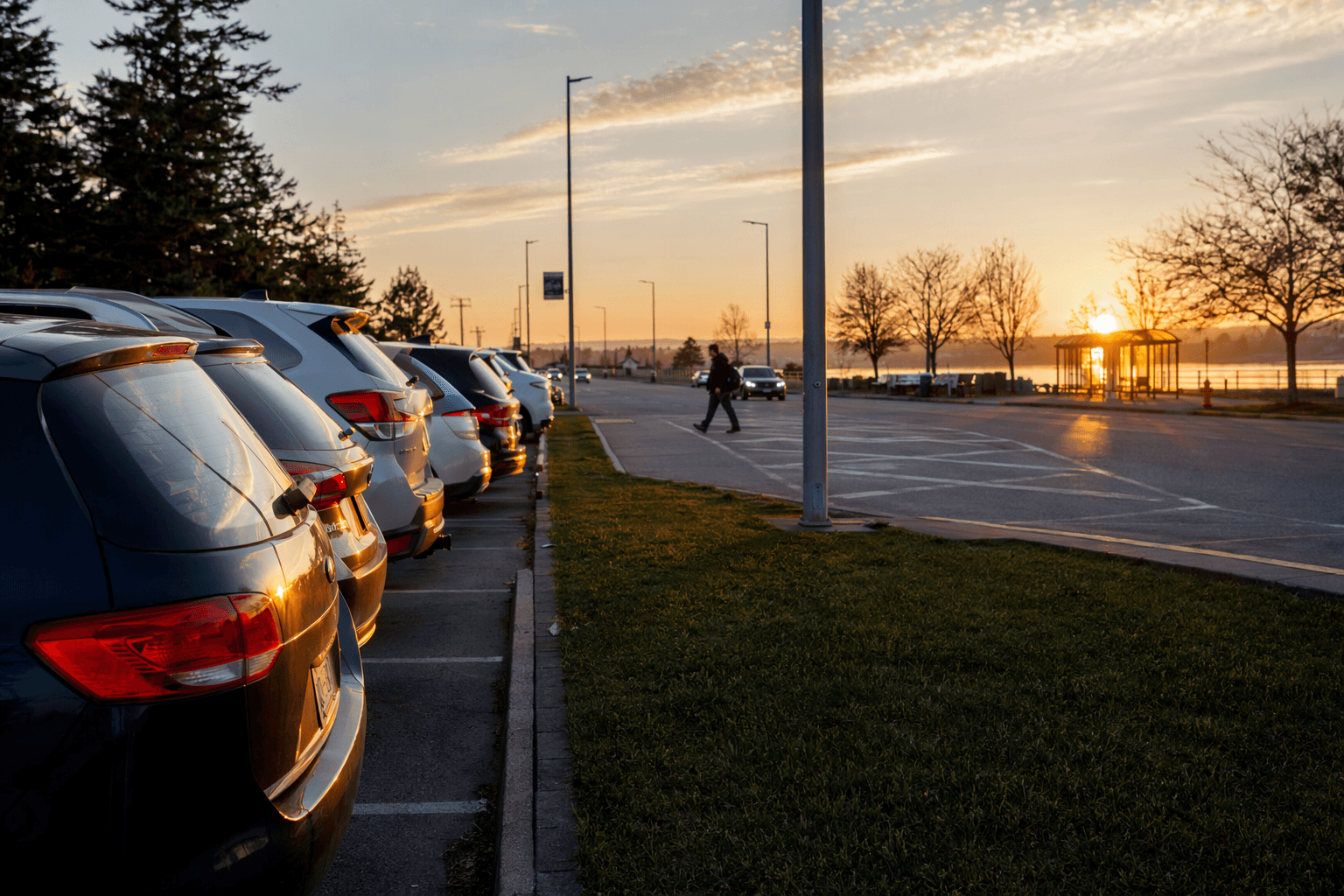
For commuters, the pitch is simple: safer boarding, better shelter in wind and rain, and a more orderly transfer point for Routes 1 and 58. Island Transit’s park-and-ride listing places the Clinton lot behind the Clinton Post Office, and the Washington State Department of Transportation says the lot is near the terminal, with Island Transit providing free shuttle service to the ferry.
Executive Director Melinda Adams has said the agency is only testing whether the idea makes sense. Any move would still need approval from the Federal Transit Administration and support through Island Transit’s planning process. WSDOT has also signaled interest in selling the lot, creating a possible opening for the agency if the finances and timing line up.
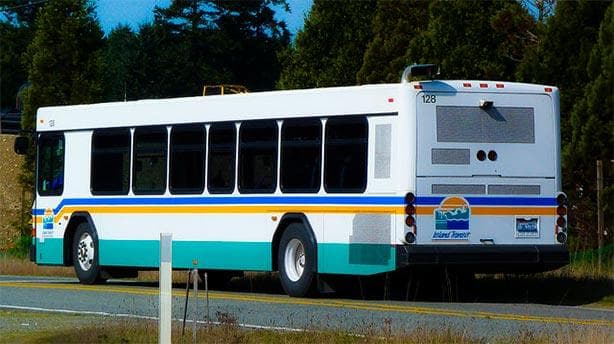
The urgency comes from money and geography. Island Transit once expected to build a South End transit station at Ken’s Korner, and federal funding was set aside for that effort, but a county development moratorium and planning complications made that site difficult to use. The federal dollars tied to that earlier plan have about two years left before they expire, adding pressure to find a workable South Whidbey location.
The Clinton idea also sits inside Island Transit’s first long-range planning effort, Roadmap to 2047, which is meant to guide investment over the next 20 years. The agency is seeking community input through meetings and an online survey in English and Spanish, while describing the plan as a way to improve accessibility, convenience, safety, friendliness and sustainability.
Island Transit’s numbers show why Clinton matters. Congressional testimony in March 2024 described the agency as serving about 86,000 people with an annual budget of about $21 million, more than 60 buses and 136 staff. The Oak Harbor-to-Clinton route, its longest at nearly 40 miles, carried an average of 1,798 weekday passengers and took about one hour and 45 minutes one way.
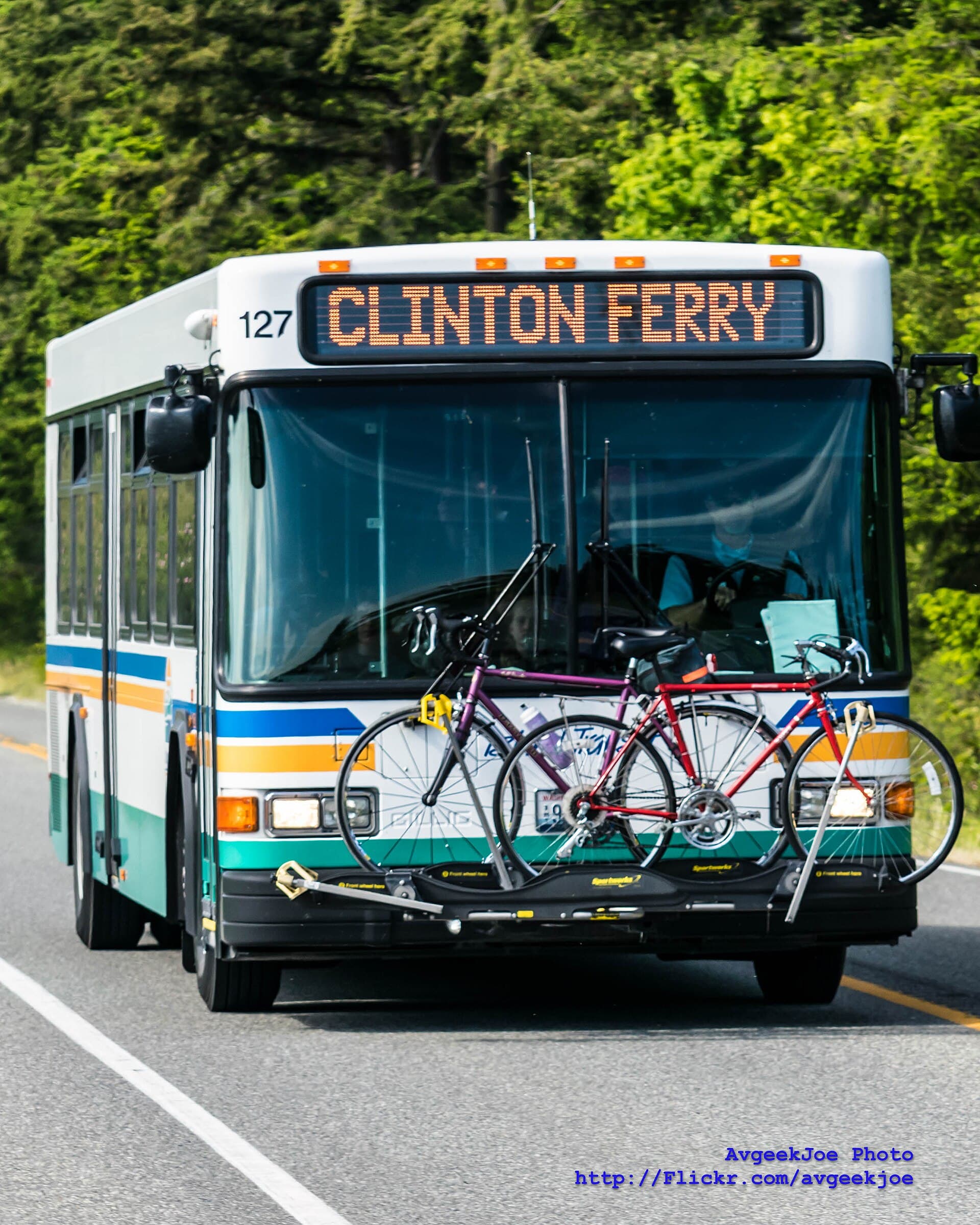
The transit agency has also already tied its future to South Whidbey infrastructure. In 2024, it said the South Whidbey Transit Project received $4 million in Congressionally Directed Spending requested by U.S. Sens. Patty Murray and Maria Cantwell, and in July 2024 it received a $14.96 million federal grant for zero-emission hydrogen buses and infrastructure. If Clinton becomes the next hub, it would be one of the clearest tests yet of whether Island Transit can turn long-range planning into a safer daily ride for ferry commuters.
This article was produced by Prism’s automated news system from verified source data, official records, and press releases, then run through automated quality and moderation checks before publishing. The system is built and supervised by the people who set the standards it runs under. Read our full AI policy.
Did this article answer your question?