Langley asks voters for levy lid lift to fund city services
Langley voters may decide this fall whether to raise the city rate from $2.70 to $3.10 per $1,000 of assessed value as leaders warn of lawsuits, aging tech and rising costs.
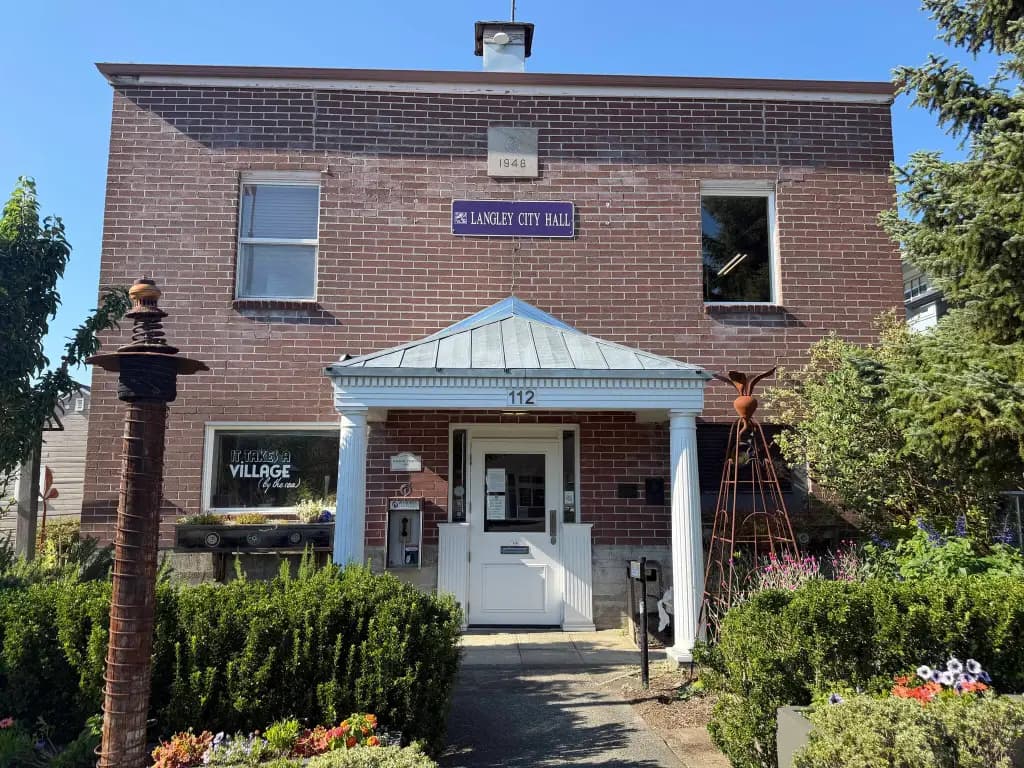
Langley City Council sent a permanent levy lid lift to voters, setting up a November decision on a property-tax increase that would raise the city rate from $2.70 to $3.10 per $1,000 of assessed value. That 40-cent jump would add about $40 a year for every $100,000 in assessed value, or roughly $200 on a home assessed at $500,000.
City leaders said the request grew out of a specific squeeze: outdated technology, three active lawsuits against the city and rising costs that have made it harder to operate within Langley’s existing property-tax limits. For a small city on South Whidbey, those pressures touch routine work as much as budgets. Lagging systems can slow communication and records management, while legal bills arrive on top of inflation, vendor increases and the everyday expense of keeping streets, buildings, equipment and staff in working order.
The levy lid lift is one of the few ways Washington cities can break past the state’s 1% levy limit, which the Department of Revenue says generally restricts annual growth in property-tax collections. MRSC, the municipal research group, describes levy lid lifts as a tool local governments use to exceed that cap with voter approval. Langley’s own ballot notice says the measure would be permanent if approved.
The council’s action followed weeks of discussion. On June 9, city officials were already weighing whether to ask voters for a levy lid lift, and on July 10 the council settled on an initial property-tax increase amount. By July 21, the question had been sent to voters, putting the city’s finances in the hands of Langley residents who will have to decide whether to fund more room in the budget or force the city to absorb the pressure through cuts and deferrals.
What voters are being asked to preserve is not a new program, but the city’s ability to keep basic operations moving under tighter revenue rules. If the measure fails, Langley will have less flexibility to cover the technology, legal and operating costs city leaders say are now pushing the budget to its limit.
This article was produced by Prism’s automated news system from verified source data, official records, and press releases, then run through automated quality and moderation checks before publishing. The system is built and supervised by the people who set the standards it runs under. Read our full AI policy.
Did this article answer your question?