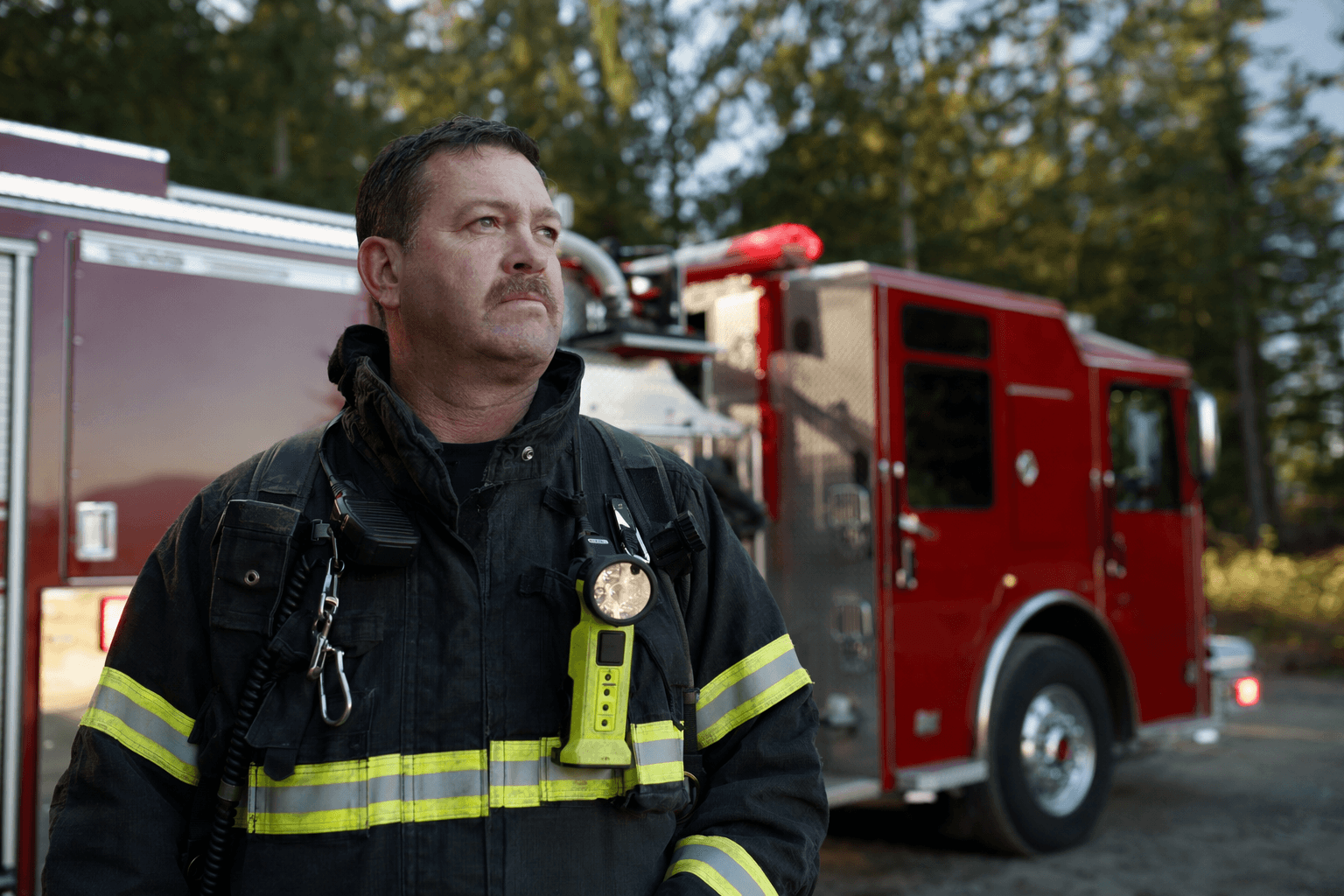
Naval Air Station Whidbey teams assist inland rescues after severe storms
Naval Air Station Whidbey Island Search and Rescue crews conducted inland rescue missions during recent storms, rescuing two people on December 10 and providing surge support to state responders. The missions demonstrate the base capability available to Island County when local resources are stretched, and underline the importance of interagency coordination during extreme weather.
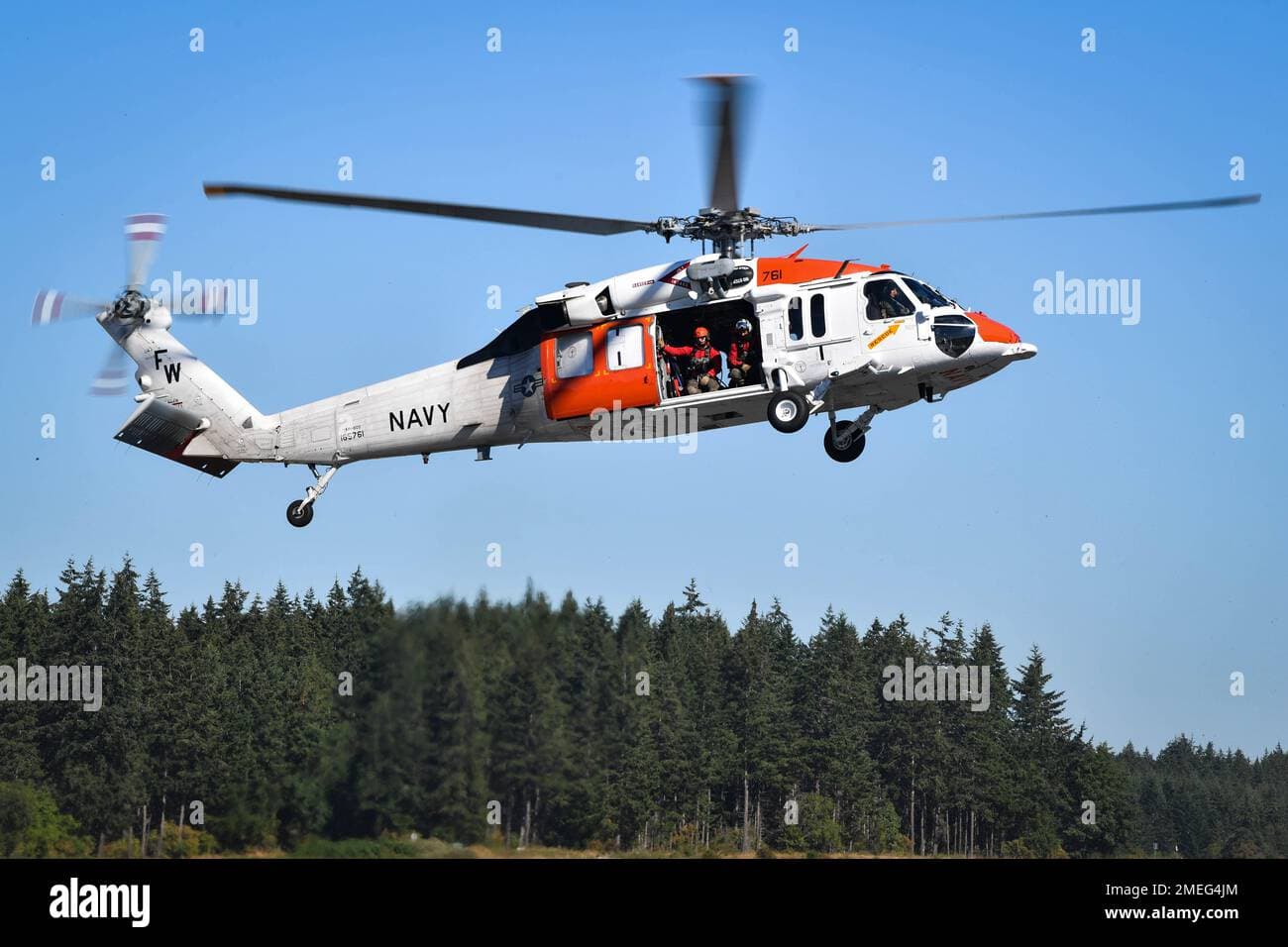
Severe storms and flooding in early December prompted Naval Air Station Whidbey Island Search and Rescue teams to support state authorities with inland rescue operations. On December 10 crews rescued a 71 year old person who was trapped on a vehicle and a 31 year old who was stranded in a tree. Those rescues were part of a broader pattern of Search and Rescue and medical evacuation missions flown by Station SAR Whidbey during 2025.
The unit operates an MH 60S helicopter capability that allowed crews to reach locations that were difficult to access by road after flooding. Station SAR Whidbey has been available to support civil Search and Rescue tasks when other assets were unavailable, coordinating with state partners to provide rapid response and medical evacuation assistance to people in danger.
For Island County residents the operations mean two immediate things. First, military aviation assets based locally can provide critical surge capacity during violent weather when county and state resources are overwhelmed. Second, emergency response in such events relies on coordination between multiple agencies so residents should follow directions from county emergency management and state first responders during storms and flooding.

The deployments also illustrate the practical role military Search and Rescue units play in domestic disasters when requested by civil authorities. In this case the combination of airborne reach and trained rescue crews helped speed rescue for individuals isolated by floodwaters and downed trees. That capability can shorten rescue times and improve outcomes in remote or hard hit areas across the county.
County officials and emergency managers continue to monitor weather and infrastructure impacts from the storms. Islanders should stay alert to local advisories, avoid flooded roads, and be prepared to follow evacuation instructions. The recent missions show that when severe conditions strain local systems, coordinated state and military response can fill urgent gaps and protect lives.
Know something we missed? Have a correction or additional information?
Submit a Tip