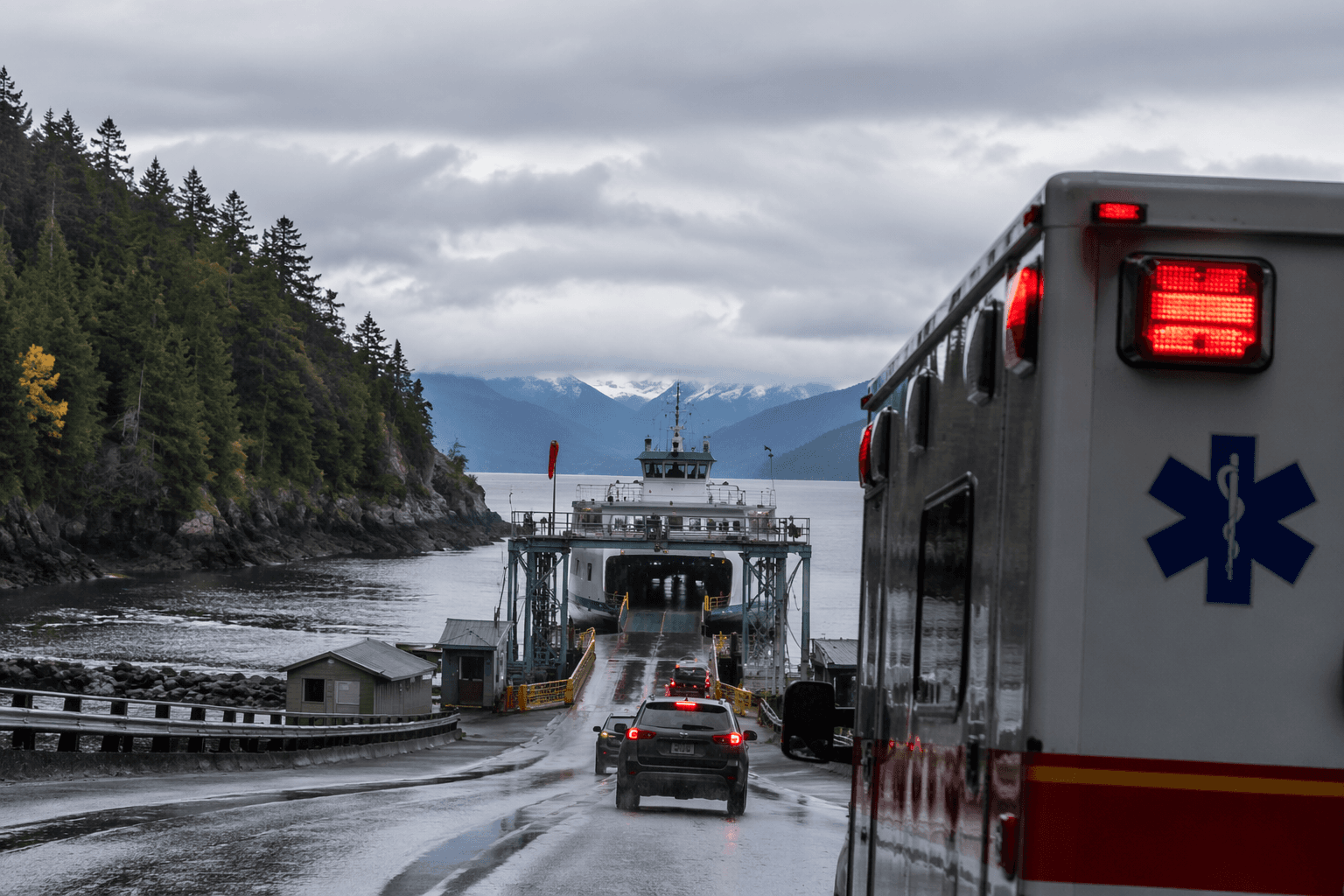
North Whidbey Fire and Rescue staffing crunch strains ambulance coverage
North Whidbey Fire and Rescue missed ambulance staffing on 13 shifts and 23 more hours in six months, leaving more of North Whidbey exposed when 911 calls come in.

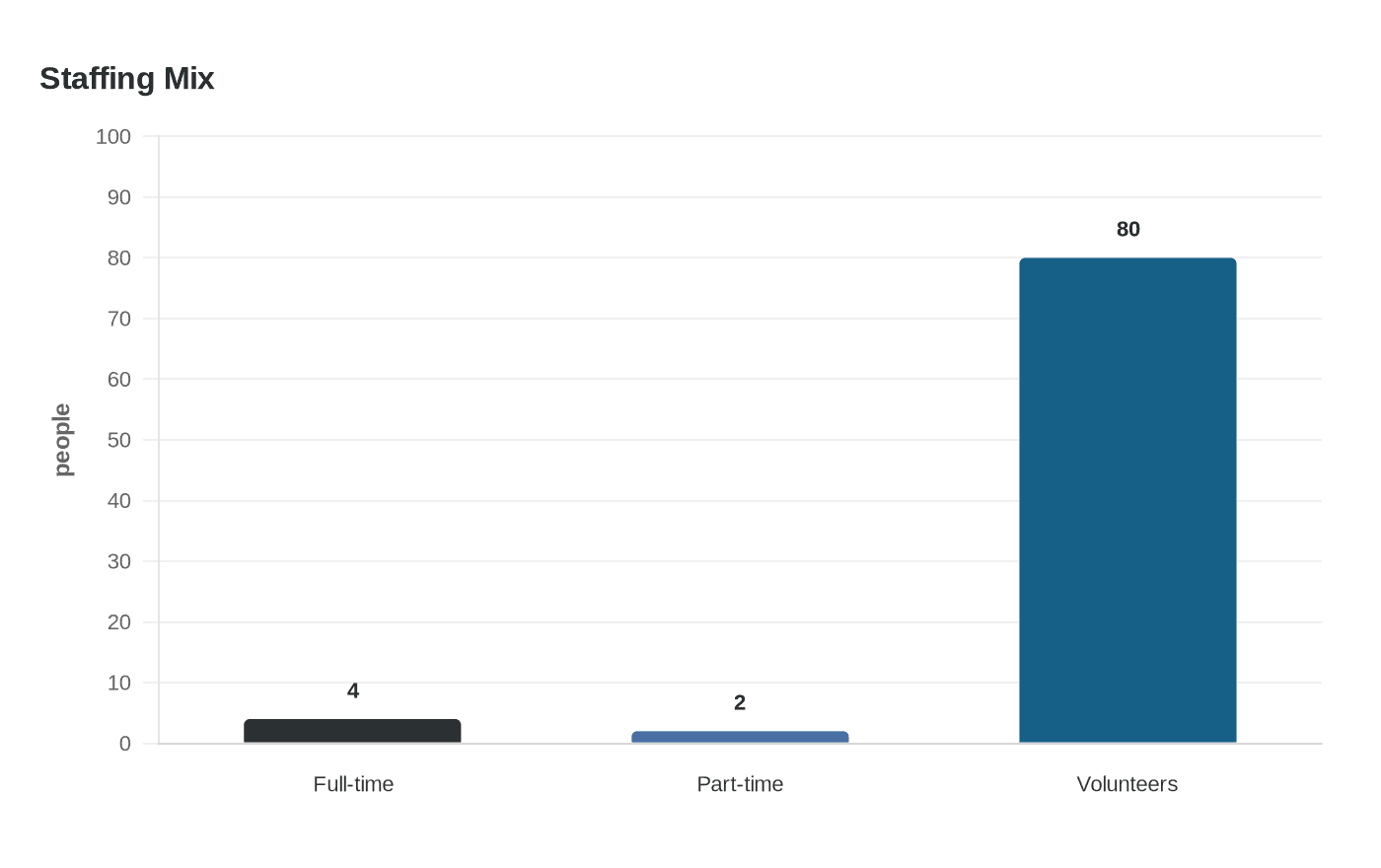
A rural fire district that covers Oak Harbor and Naval Air Station Whidbey Island is struggling to keep enough crews on duty to protect the people who call it most. North Whidbey Fire and Rescue, which runs seven stations and answers more than 2,500 calls a year, has been operating with four full-time firefighters, two part-time firefighters, some per diem help and about 80 volunteers.
That mix has not been enough to consistently meet minimum staffing levels. Fire Chief Chris Swiger said the district has never fully met its benchmark during his 12 years there, and a five-year strategic plan presented to commissioners identified staffing as one of the district’s biggest weaknesses alongside deteriorating stations, communication problems and morale.

The consequences reach beyond internal scheduling. WhidbeyHealth pays North Whidbey Fire and Rescue $285,000 a year to operate a basic life support ambulance, but the district must reimburse the hospital when that ambulance is not adequately staffed. From November through April, the district failed to staff the ambulance properly for 13 shifts and another 23 hours, adding up to 335 hours without full coverage.
That matters because the ambulance arrangement requires at least two EMTs on a 24/7 basis, and cross-staffing is supposed to let the same personnel cover both fire and medical calls. When those crews are thin, response reliability can slip, firefighter safety can suffer and the hospital partnership becomes harder to sustain for residents who depend on it in an emergency.
The district has tried to address the shortage before. In April 2023, the Federal Emergency Management Agency awarded North Whidbey Fire a $595,000 SAFER grant to recruit and retain volunteers over four years. The money was meant to cover protective gear, training, member costs, marketing and a recruitment and retention coordinator position that was described as temporary through 2026. Even after a summer academy class brought in 10 recruits, Swiger said the district still needed 15 to 20 more volunteers.
The staffing strain has also come with a longer pattern of unrest. In 2019, firefighters and staff raised grievances about transparency, communication, funding and morale. A 2024 survey of district members produced nearly 100 complaints about commissioners, including lack of transparency and bullying.
The district said it downgraded from two full-time-staffed stations to one in 2021, and personnel said response times increased after that change. In May 2026, North Whidbey Fire and Rescue was also contesting a downgraded protection class rating that draft reports showed had slipped from 5 to 6 after the 2020 evaluation, a change that can affect insurance premiums. For a district that serves a mostly rural stretch of North Whidbey Island, the staffing crunch has become more than an internal dispute: it is now a direct test of how fast help arrives when the next emergency happens.
This article was produced by Prism’s automated news system from verified source data, official records, and press releases, then run through automated quality and moderation checks before publishing. The system is built and supervised by the people who set the standards it runs under. Read our full AI policy.
Know something we missed? Have a correction or additional information?
Submit a Tip