Oak Harbor mayor frames annexation as key to future growth planning
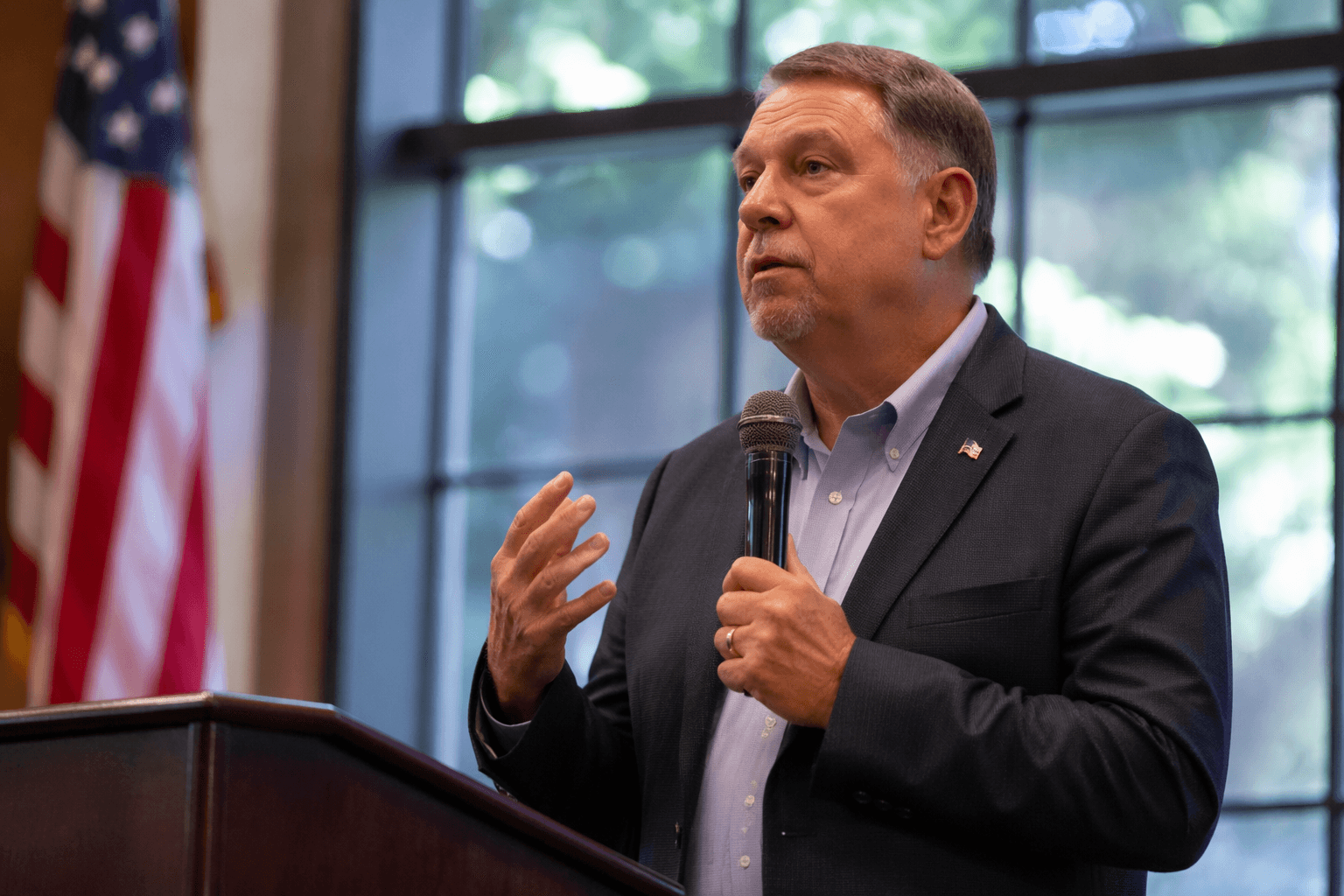
Mayor Wright told a Spokane conference Oak Harbor is using annexation to plan for growth, not just redraw city limits. The 80-acre proposal could change taxes, zoning and services for Area 4 and Area 5.
Area 5 properties rely on private wells and septic systems permitted and monitored by Island County Public Health. The proposal centers on Area 4, undeveloped or underdeveloped land identified for future growth, and Area 5, the donut-hole enclaves surrounded by Oak Harbor but still under Island County jurisdiction.
The areas pose challenges that include aging infrastructure, failing septic systems, needed upgrades and potential public health concerns, and annexation is part of Oak Harbor's long-term strategy under the Growth Management Act to prepare for housing needs over the next 20 years.
At a rare joint public hearing on March 19, Principal Planner Cac Kamak put the annexation at about 80 acres in three sections owned by fewer than 20 owners. Kamak said the city mailed notice letters to property owners, and the land will be zoned R-2, which allows single-family homes, duplexes and fourplexes. Annexed property will fall under Oak Harbor’s property tax structure, although immediate sewer or water hookups will not be required.
The Oak Harbor City Council approved annexation of roughly 80 acres in April. The proposal uses an interlocal agreement authorized by RCW 35A.14.296, a method that lets the city and county finalize annexation without a direct vote by residents in the area. Island County Commissioners unanimously approved the agreement after the city worked with county officials, followed guidance from the Washington State Department of Commerce, coordinated with North Whidbey Fire and drafted the deal with legal counsel.
Whidbey Environmental Action Network will challenge the annexation and the broader comprehensive plan update, and executive director Marnie Jackson argued that the four unincorporated pockets should be annexed before or at the same time as the 80-acre tract. The city and its Urban Growth Area are expected to absorb more than half of Island County’s new population growth and must plan for thousands of new housing units by 2045, while county records show the city’s 20-year housing allocation was reduced from 5,533 units to 3,992, with 1,797 still assigned to unincorporated UGA areas.
This article was produced by Prism’s automated news system from verified source data, official records, and press releases, then run through automated quality and moderation checks before publishing. The system is built and supervised by the people who set the standards it runs under. Read our full AI policy.
Did this article answer your question?