Oak Harbor pilots falconry to solve seagull problem
A falconry pilot cut gulls by 80% around Oak Harbor, but feeding kept undoing gains.

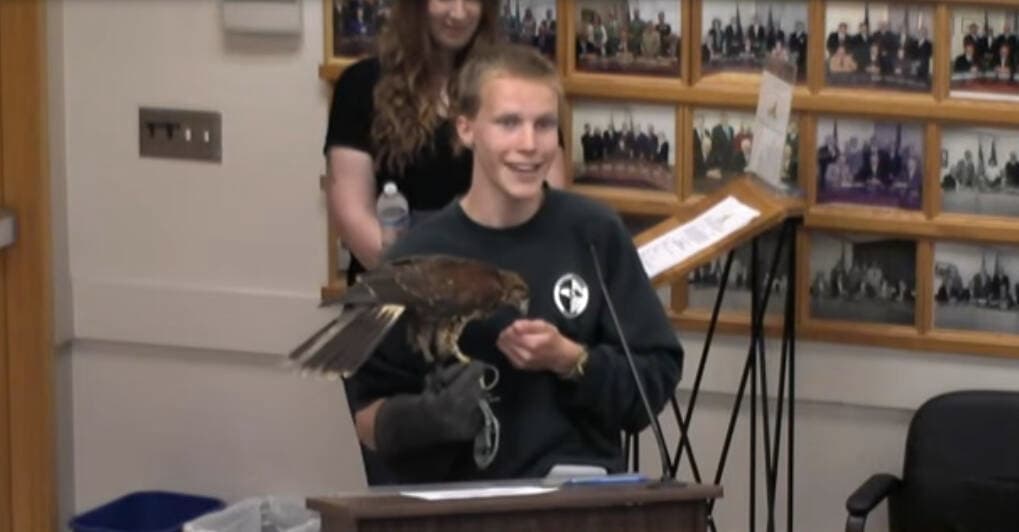
A hawk named Mantis has become Oak Harbor’s newest public-works tool, and city staff say the bird has already helped drive seagull numbers down by about 80% in problem areas downtown. The city’s falconry pilot is aimed at more than cleaner roofs and sidewalks. Officials say it is also meant to cut bird waste, reduce stormwater concerns and make the waterfront and business district more sanitary and easier to maintain.
Public Works Director Steve Schuller told council members that gulls have been congregating on business roofs around town, where droppings create messes, add cleanup costs and raise broader cleanliness concerns. Oak Harbor approved the non-lethal program on February 17 and capped the contract at $35,000, with the cost folded into the existing Public Works budget. The pilot began in March and is scheduled to run through July 2026, after which staff are expected to report back on whether the city should extend or expand it.
The work is being handled by Sky Bird Patrol, also identified as Sky Patrol Bird Services, LLC, using trained raptors to keep gulls from nesting and lingering in problem areas. Cole Serad, a young falconer who is still finishing his senior year in high school and will earn an associate degree in biology next month through Running Start, brought Mantis to present the program update. Serad said the daily data he collects around town shows an average 80% reduction in seagulls, a result city officials said would normally justify close consideration of a long-term nuisance control program.
But the pilot has also shown how quickly human behavior can undercut the gains. Serad estimated about 150 nesting pairs downtown and roughly 500 gulls across the broader Oak Harbor area. He said one day with eight feeding events cut the program’s success by 50%, and he documented instances where businesses fed more than five pounds of food to the birds. City guidance warns that feeding seagulls can increase aggression, mess, contamination or disease risk, noise and dependence on waste.
Oak Harbor has already added signs in waterfront parks telling people not to feed the birds and expanded outreach around the issue. The city’s broader planning documents also show why officials see the gull problem as more than a nuisance: Oak Harbor’s stormwater plans focus on runoff, water quality and regulatory compliance, and Schuller tied the bird waste problem directly to stormwater conditions.
Councilmember Bryan Stucky abstained from the February vote because he owns a downtown business and has been involved in seagull mitigation discussions. The contractor has said it has used Harris’s hawks in other Washington cities, including Anacortes, and city leaders will now have a few more months of data to decide whether falconry becomes a repeatable model for recurring public-space complaints in Oak Harbor.
This article was produced by Prism’s automated news system from verified source data, official records, and press releases, then run through automated quality and moderation checks before publishing. The system is built and supervised by the people who set the standards it runs under. Read our full AI policy.
Did this article answer your question?