Oak Harbor weighs crackdown on abandoned zombie houses
Oak Harbor officials weighed new steps against abandoned homes that can draw weeds, squatters and code trouble, with police estimating fewer than six citywide.
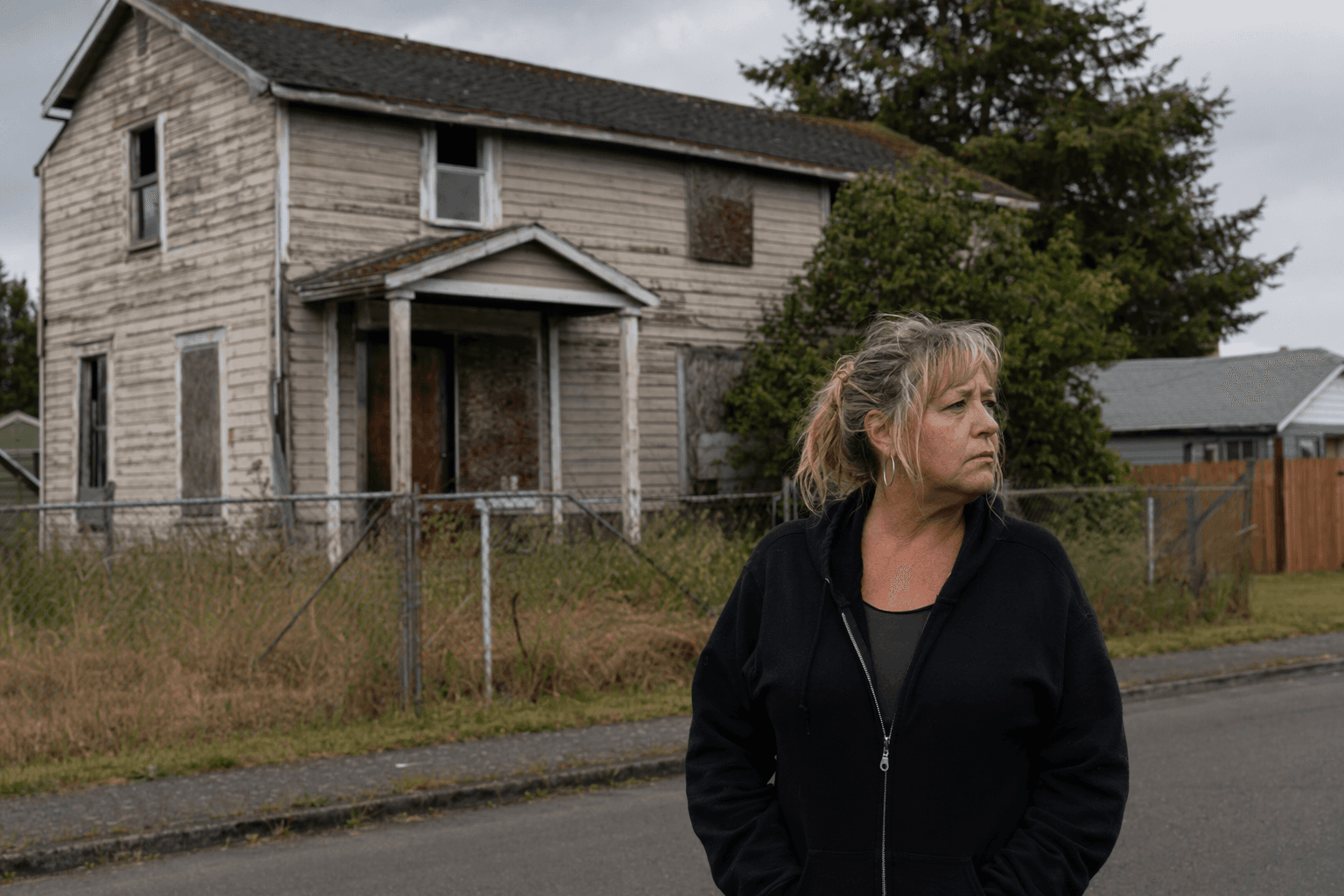
Oak Harbor leaders are deciding whether the city needs a tougher answer to abandoned homes before a few neglected properties turn into a wider neighborhood problem. At a May 12 workshop, City Attorney Hillary Evans and Community Development Director Stacie Pratschner walked the Oak Harbor City Council through what state law allows, after police estimated there may be fewer than six abandoned properties in the city.
The problem is not just cosmetic. These houses can sit mid-foreclosure or unmanaged long enough to invite overgrowth, trespassing, vandalism and other code issues that spill onto nearby blocks. City staff said they have not finished a full inventory, so Oak Harbor still does not know whether it is dealing with a handful of nuisance houses or a policy issue that needs new enforcement tools.
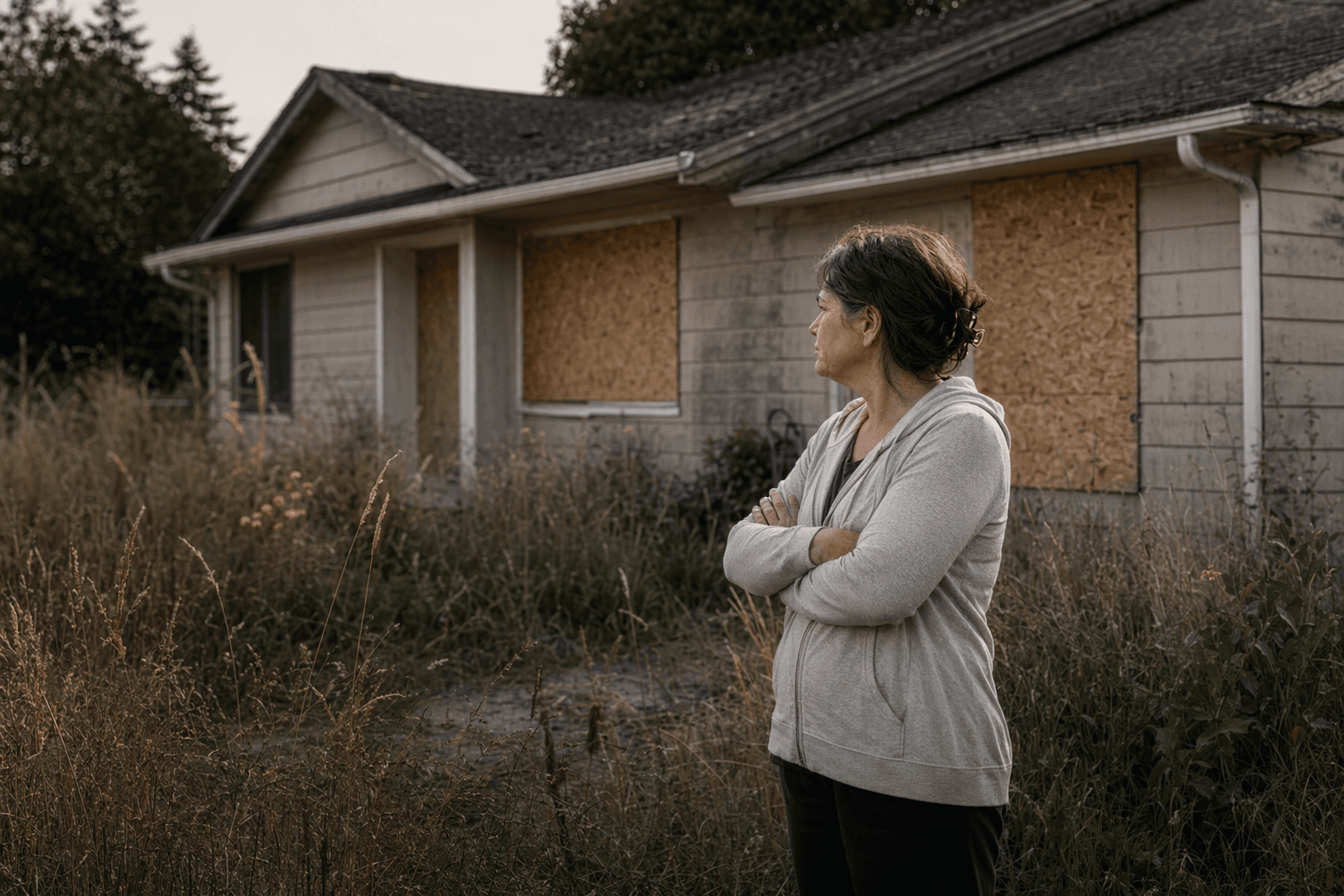
Washington’s Chapter 7.100 RCW gives the city a narrow path. It applies only to single-family residences, residential condominium units and residential cooperative units. A property counts as abandoned only when there are no signs of occupancy and at least three outside indicators are visible, such as disconnected utilities, boarded-up windows, trash or overgrowth, or reports of trespassing or vandalism. The law also treats a property as mid-foreclosure when a notice of default, notice of preforeclosure options or notice of trustee’s sale has been recorded with the county auditor.
Evans told the council these cases can land in a legal no-man’s-land. The owner may be hard to find, or liens, mortgages, homeowners’ association claims and judgments can complicate enforcement. Under the state framework, local governments can notify mortgage servicers once a property is found abandoned and a nuisance, then seek cost recovery if the nuisance is not fixed. The Municipal Research and Services Center also points to other options cities and counties can use, including unfit-dwelling procedures under Chapter 35.80 RCW and blighted-property condemnation under Chapter 35.80A RCW.
Staff also said the code enforcement department had no recorded complaints in the past three years specifically tied to an abandoned property, even though neighbors may still report pests, unsafe conditions or other nuisance activity linked to a site. That gap matters because Oak Harbor is trying to decide whether voluntary notices will work at all when there is no cooperative owner to answer them.
The council discussed looking to cities such as Seattle and Spokane, where nuisance-property laws are more developed. Spokane’s code says its purpose is to hold owners and persons in charge financially accountable and to close abandoned properties that are not handled through the building official process. Seattle adopted a chronic nuisance properties ordinance and moved in 2025 to expand those remedies and penalties.
Oak Harbor has already shown it is willing to act. The city adopted Chapter 6.25, its Chronic Nuisance Property Enforcement and Abatement ordinance, in 2025. For now, the question is whether that framework is enough, or whether abandoned homes need a separate local crackdown before they begin to weigh harder on nearby property owners and neighborhood safety.
Know something we missed? Have a correction or additional information?
Submit a Tip

