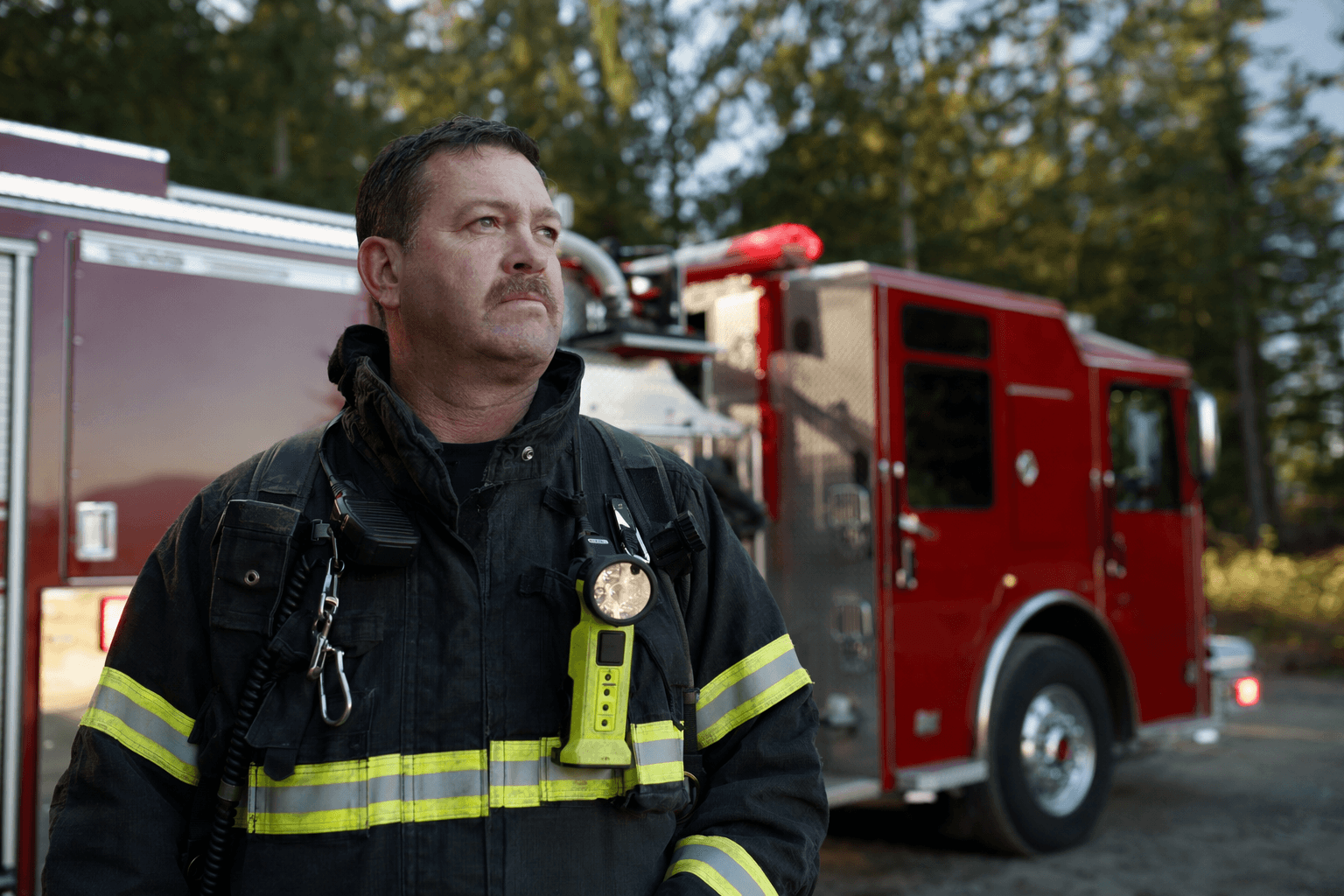
State climate funds bolster Whidbey Island resilience, reduce ferry pollution
The Washington Department of Ecology awarded Climate Commitment Act funding that has supported 21 projects on Whidbey Island, delivering about $4.9 million over the past two years. The awards fund planning and electrification work that will strengthen local services during outages and reduce air pollution from ferry operations, bringing tangible benefits to Island County residents.
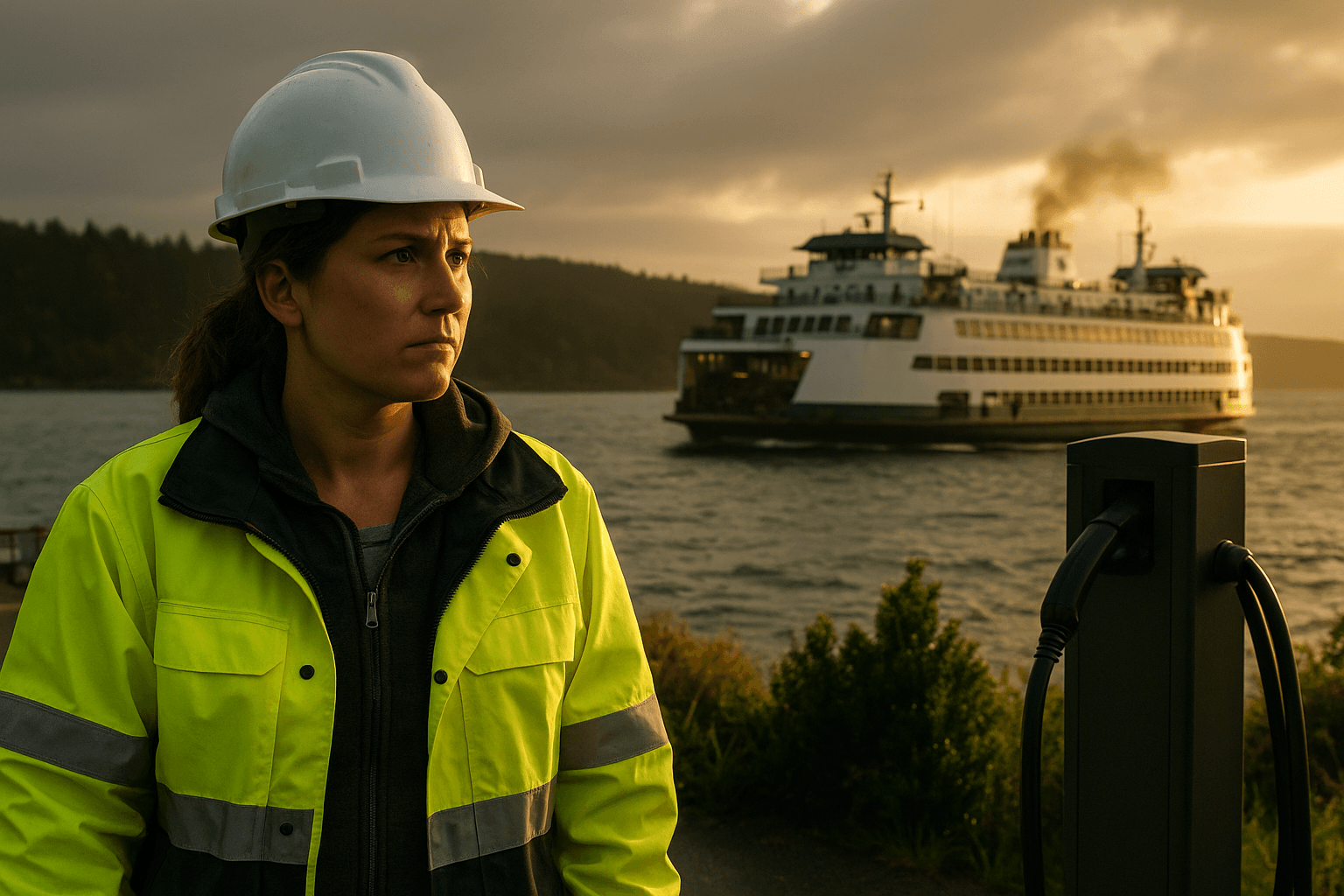
On December 2, 2025 the Washington Department of Ecology announced Climate Commitment Act funds that supported 21 projects across Whidbey Island, totaling roughly $4.9 million over the past two years. Local recipients include Good Cheer Food Bank in Langley and the Pacific Rim Institute for Environmental Stewardship near Coupeville, each awarded more than $65,000 to support planning and feasibility work designed to keep critical operations running during power outages. A larger regional investment of about $1.4 million was directed to terminal electrification at the Clinton Ferry Terminal to reduce air pollution and enable charging infrastructure for hybrid electric vessels.
The Climate Commitment Act, signed in 2021, established a framework for reducing greenhouse gas emissions in Washington and directing investments from the program to projects that cut pollution and build resilience. Statewide investments under the program amount to roughly $1.5 billion, with the Whidbey awards representing a local share of that broader effort to meet emissions reduction targets established by the law.
Locally the funds are being used for planning, feasibility studies, and infrastructure work that address both climate mitigation and adaptation. For nonprofit service providers such as Good Cheer Food Bank, support for backup power planning means a greater ability to provide food and services when storms or outages disrupt power. For organizations focused on stewardship and habitat protection, feasibility funding allows for resilient operations that can continue research and conservation work during extreme weather.
Electrification at the Clinton ferry terminal has a wider public health and economic dimension. Reducing emissions from terminal operations and providing shore based charging capacity for hybrid electric vessels will lower local air pollution, improve conditions for commuters and terminal workers, and support regional efforts to decarbonize maritime transportation. This infrastructure investment also aligns Island County with global trends in maritime electrification that influence port communities and coastal economies around the world.

Taken together these awards demonstrate how statewide climate policy is being translated into concrete local projects. Island County residents can expect incremental improvements in community resilience, air quality, and transportation infrastructure as planning moves toward implementation in the months and years ahead.
Know something we missed? Have a correction or additional information?
Submit a Tip