Whidbey and Camano thrifting thrives with vintage shops, sustainable style
Secondhand shopping on Whidbey and Camano is as much community infrastructure as bargain hunting. The best shops mix sustainability, local character and real household savings.
Why thrift fits Island County
On Whidbey and Camano, thrift shopping works because it solves more than one problem at once. Island County’s population was 86,857 in the 2020 census, with 35,972 households and a median owner-occupied home value of $593,300, so a good secondhand find can ease pressure on family budgets while still delivering style and function. The islands also send trash to Republic Services’ Roosevelt Regional Landfill, roughly 400 miles away, which gives reuse a very practical edge: every usable lamp, chair, coat and skillet kept in circulation is one less item headed for a very long haul.
What makes the local thrift scene stand out is the pace. Shopping here feels slower and more intentional than the usual retail sprint, and that matters on islands where people know the value of a well-made object, a repaired item and a room with a little history in it. The result is a reuse economy that doubles as a cultural one, where affordability, sustainability and small-business support overlap in the same shopping trip.
The vintage stops with the strongest local personality
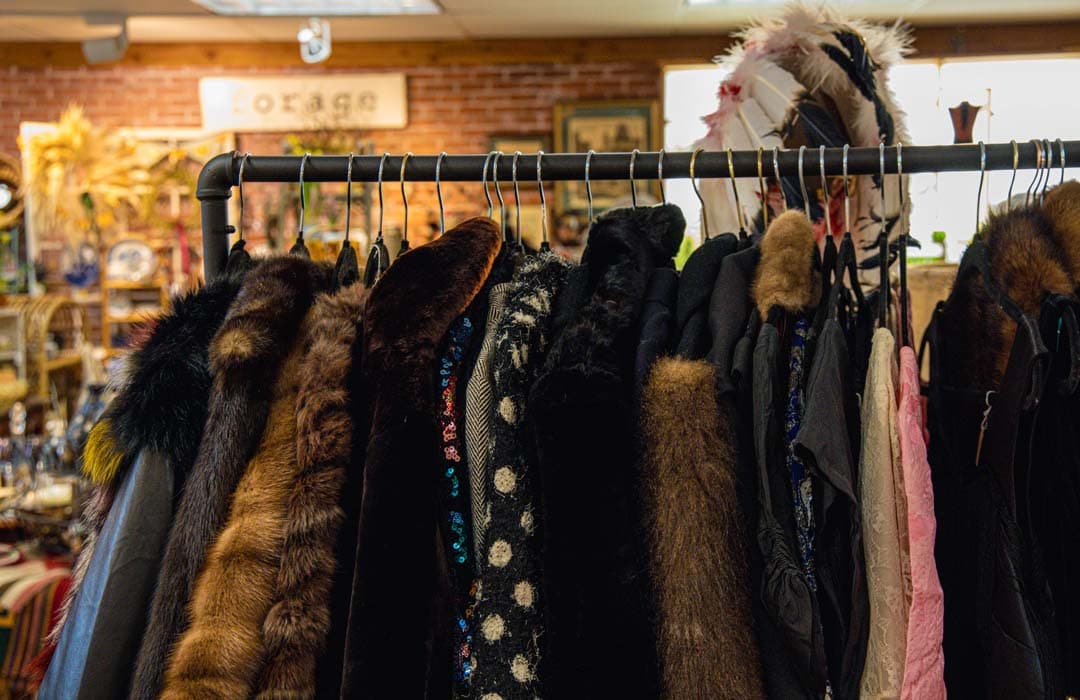
A Vintage Affair in Oak Harbor is one of the clearest examples of how secondhand shopping on Whidbey has become part style statement, part community hub. Owner Marisa Sedillo says sustainable shopping has been gaining traction, especially with younger buyers who want distinctive pieces instead of mass-market sameness. The shop also works as a gathering point for other local vintage vendors, which makes it easier for shoppers to find a wider mix of items without crisscrossing the island.
For the best odds of finding something with real character, start with these categories at A Vintage Affair:
- Statement decor with personality
- Vintage accessories and smaller household accents
- Distinctive pieces that feel local rather than factory-made
- Items from other island vendors who rotate through the space
That vendor network matters. It turns the store into a place where one good stop can lead to several others, and it explains why the shop feels less like a random resale aisle and more like a curated island market.
In Freeland, Mutiny Bay Antiques & Vintage Mercantile takes the idea even further. The space functions like a mini vintage department store, with multiple curated vendors selling furniture, antiques, decor and newer goods under one roof. The appeal is not just visual; the store leans into reuse and repurposing, which gives the shopping experience a clear sustainability ethic and makes it a strong stop for anyone furnishing a home, a rental or a weekend place without buying everything new.
At Mutiny Bay, the most useful secondhand categories are the practical ones that tend to cost more at retail:
- Furniture with solid construction
- Decor pieces that can be mixed into a modern room
- Antiques with island patina
- Newer goods that can fill gaps without sacrificing the thrift budget
That mix is especially useful in a county where housing costs are high and people often want to make a space feel finished without taking on brand-new prices for every chair, table or shelf.
The practical thrift stores that anchor the island economy
The island’s thrift culture is not only about style. It is also about institutions that move money back into local programs. Island Thrift in Oak Harbor says it has been helping Whidbey Islanders thrive since 1977, and it also operates a community grants program. That gives the store a dual identity: shoppers come for the deals, but the dollars also stay attached to local needs.
Senior Thrift in Freeland adds another layer of usefulness. It sells new and gently used clothing, electronics, furniture, hardware and more at affordable prices, and its proceeds support Island Senior Resources. That makes it one of the strongest places on the island for practical household buying, especially when someone needs to outfit a room, replace a small appliance or find hardware without paying full retail.
The best categories to watch for at Senior Thrift are the ones that save the most money when bought used:
- Clothing for everyday wear and layering
- Electronics for basic household use
- Furniture for bedrooms, dens and rentals
- Hardware and repair items that are often overpriced new
WAIF’s thrift stores in Freeland and Oak Harbor round out the picture. WAIF says its Freeland Thrift Store opened in 1995 and its Oak Harbor store opened in 2000, and both are mainly staffed by volunteers. That volunteer backbone gives the stores a distinctly community-driven feel and helps explain why the selection often reflects local donations in a way that feels grounded in island life rather than generic resale inventory.
Why thrift doubles as a social safety net
On Whidbey, some of the strongest thrift stores are tied directly to human services. Good Cheer’s thrift stores in Langley and Clinton support the Good Cheer food bank, which serves an average of 800 families every month. That makes the shopping trip about more than affordability or sustainability; it links everyday purchases to a broader network of food assistance and local stability.
The importance of that connection is hard to overstate in a county made up of island communities where budgets can be tight and services are separated by distance. Buying a used jacket or lamp in Langley or Clinton helps keep a support system moving for neighbors who may also rely on the food bank. In that sense, thrift shopping becomes one of the quieter ways Island County residents reinforce each other’s resilience.
Camano’s thrift culture is part of the same story
Camano Island has its own thrift stop in 2nd Chance Thrift Shop, which supports older-adult programs through the Camano Center. That matters because it shows the island’s secondhand economy is countywide, not just a Whidbey phenomenon. The name may be different, but the function is familiar: good deals, useful goods and revenue that stays attached to local programs.
For Camano shoppers, the best reason to stop is straightforward. The shop gives residents a nearby place to hunt for affordable household items while supporting services that benefit older adults. That combination makes thrift shopping feel less like a hobby and more like local infrastructure.
What is unusually good to buy secondhand here
The island shops are especially strong when you want items that are expensive new, durable enough to survive reuse and easy to refresh with a little effort. That makes Whidbey and Camano good places to look for furniture, home decor, clothing, electronics, hardware and one-of-a-kind vintage pieces that bring personality into a house without inflating the budget.
The local sweet spot is this: you can spend an afternoon browsing slowly, find something with a story attached, and know the purchase is supporting a shop, a grant program, a food bank or an older-adult service. In Island County, that is what sets thrift apart from ordinary retail. It is not just about saving money. It is about keeping useful things, and useful dollars, close to home.
This article was produced by Prism’s automated news system from verified source data, official records, and press releases, then run through automated quality and moderation checks before publishing. The system is built and supervised by the people who set the standards it runs under. Read our full AI policy.
Did this article answer your question?