Whidbey prairie restoration faces funding cuts, volunteers warn
Funding cuts have left Whidbey’s prairie restoration on a six-month to year-long clock, and volunteers warn the land could be sold if no lifeline appears.
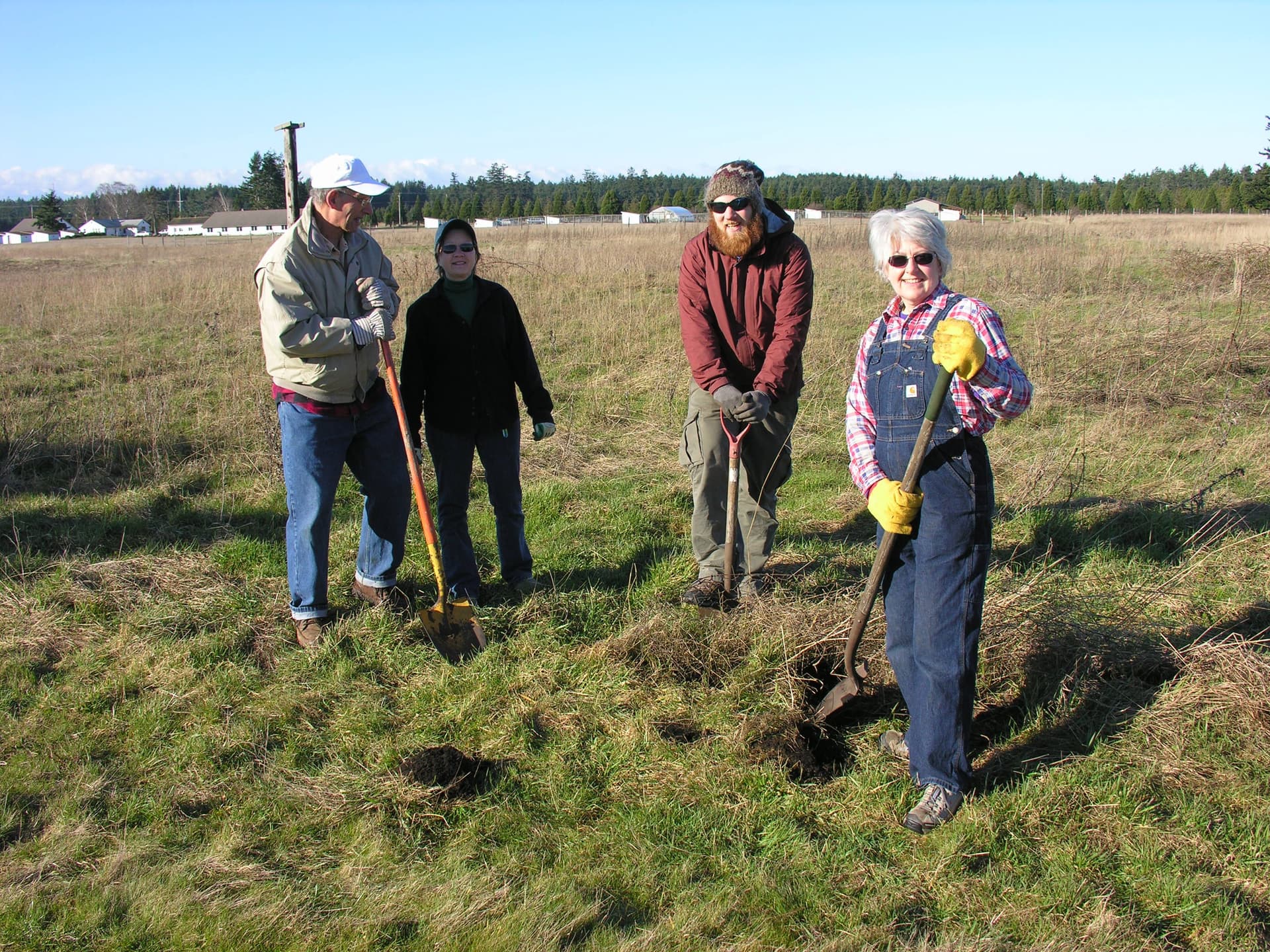
Volunteers on central Whidbey Island said a rare prairie remnant may not survive the next year unless money comes through soon. The Pacific Rim Institute for Environmental Stewardship has warned that cuts from the federal Department of Government Efficiency and from the state sharply reduced its funding, putting years of restoration work at risk.
The land at the center of the fight is a 5-acre patch of prairie that volunteers and conservation advocates say is one of the island’s oldest living landscapes, a remnant of an ecosystem that dates back roughly 10,000 years to the retreat of the glaciers. Jim Peskuric and Muri Mitschak have described the site as extraordinary for having survived generations of settlement and land conversion in a part of western Washington where prairie is unusual and more closely associated with the Great Plains.
That small patch helped drive a much larger effort. Volunteers later formed the Pacific Rim Institute and bought 175 acres, then used seeds from the original prairie to restore another 40 acres. The work helped bring back the golden paintbrush wildflower and support an endangered butterfly species, turning the site into a functional conservation project rather than just open space.

The institute says the restoration is expensive to maintain, with costs of about $35,000 per acre. That price reflects the constant work needed to hold back invasive species, preserve native plants and keep a fragile habitat from sliding back into decline. Mitschak said the organization could be forced to consider selling the land within six months to a year if a financial lifeline does not appear.
For Island County, the outcome will determine more than one parcel of land. It will decide whether a rare prairie fragment, the larger 175-acre restoration around it and the wildlife tied to both can remain part of Whidbey’s landscape. If officials and funders do not step in soon, one of the island’s oldest ecological survivors could disappear just as the next generation is meant to inherit it.
This article was produced by Prism’s automated news system from verified source data, official records, and press releases, then run through automated quality and moderation checks before publishing. The system is built and supervised by the people who set the standards it runs under. Read our full AI policy.
Did this article answer your question?


