WSU Extension guides Washington home builders through 2026 residential energy code
WSU Extension is helping builders, architects and local jurisdictions implement Washington’s 2026 residential energy code, offering tools and training to avoid costly mistakes.
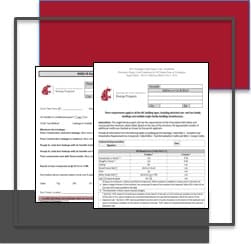
Washington State University Extension’s Energy Program is stepping up statewide assistance as Washington rolls out its 2026 residential energy code, a cycle leaders call the most complex yet and one likely to increase demand for technical help on Island County projects.
The WSU Residential Energy Codes Team, a small group within the Energy Program, has fielded more than 4,000 questions and delivered dozens of outreach trainings since the current code cycle began in 2024. Program Lead Jonathan Jones said, “This upcoming code cycle is the most complex we’ve ever seen.” He added, “Every update adds new building options and rules, and that means more questions from builders, inspectors, and homeowners trying to get it right.”
WSU Extension provides statewide education and assistance to translate the code into action for builders, architects and engineers. The team produces fact sheets and reports and maintains a code compliance calculator used to evaluate and document a building’s compliance. The program frames the work around long-term safety and efficiency, noting that “Washington state building codes help ensure new homes last for generations while remaining safe and energy efficient.”
For Island County homeowners and small-scale builders, the practical stakes are immediate. WSU Extension warns that “Because a builder’s code oversight can manifest later as a health problem, lawsuit, or expensive retrofit, getting it right initially is key.” That risk matters here where remodels, new single-family permits and inspector sign-offs shape the cost and legality of projects across the islands.
Blumenthal, quoted by the Extension, emphasized the variety of acceptable compliance paths. “The energy code is challenging not because it’s rigid but because there are many different paths to compliance, and people need help understanding which options apply to their specific project,” Blumenthal said. “Once we walk through the code with them, they realize it’s manageable. They often just need someone to help translate it.”

Visual materials accompanying the Extension’s outreach include an aerial view of new residential development in Vancouver, Washington, and a photo of Margaret Viebrock sitting at a desk during a tabling event, illustrating the program’s mix of online tools and in-person engagement.
Island County builders, homeowners and local jurisdictions seeking help can contact WSU Spokane County Extension for assistance and further direction. The Spokane County Extension office is located at 222 N Havana St, Spokane, WA 99202. The office phone is 509-477-2160 and the email is cahnrs.spokane.county.extension@wsu.edu. Office hours are Monday through Friday, 8:30 a.m. to 5 p.m. WSU Extension programs and employment are available to all without discrimination; evidence of noncompliance may be reported through your local WSU Extension office.
As the 2026 code rolls out, expect more trainings and consultation requests. For Island County residents planning new construction or major renovations, early contact with WSU Extension or your building inspector can reduce the chance of delays, costly retrofits and compliance headaches as the new rules take effect.
This article was produced by Prism’s automated news system from verified source data, official records, and press releases, then run through automated quality and moderation checks before publishing. The system is built and supervised by the people who set the standards it runs under. Read our full AI policy.
Did this article answer your question?