Abbott Orders Emergency Water Permits to Secure Corpus Christi Supply
Abbott issued temporary bed-and-bank water permits on March 18 and directed LNRA to delay cuts to Corpus Christi's supply, with reservoirs potentially dry by May.
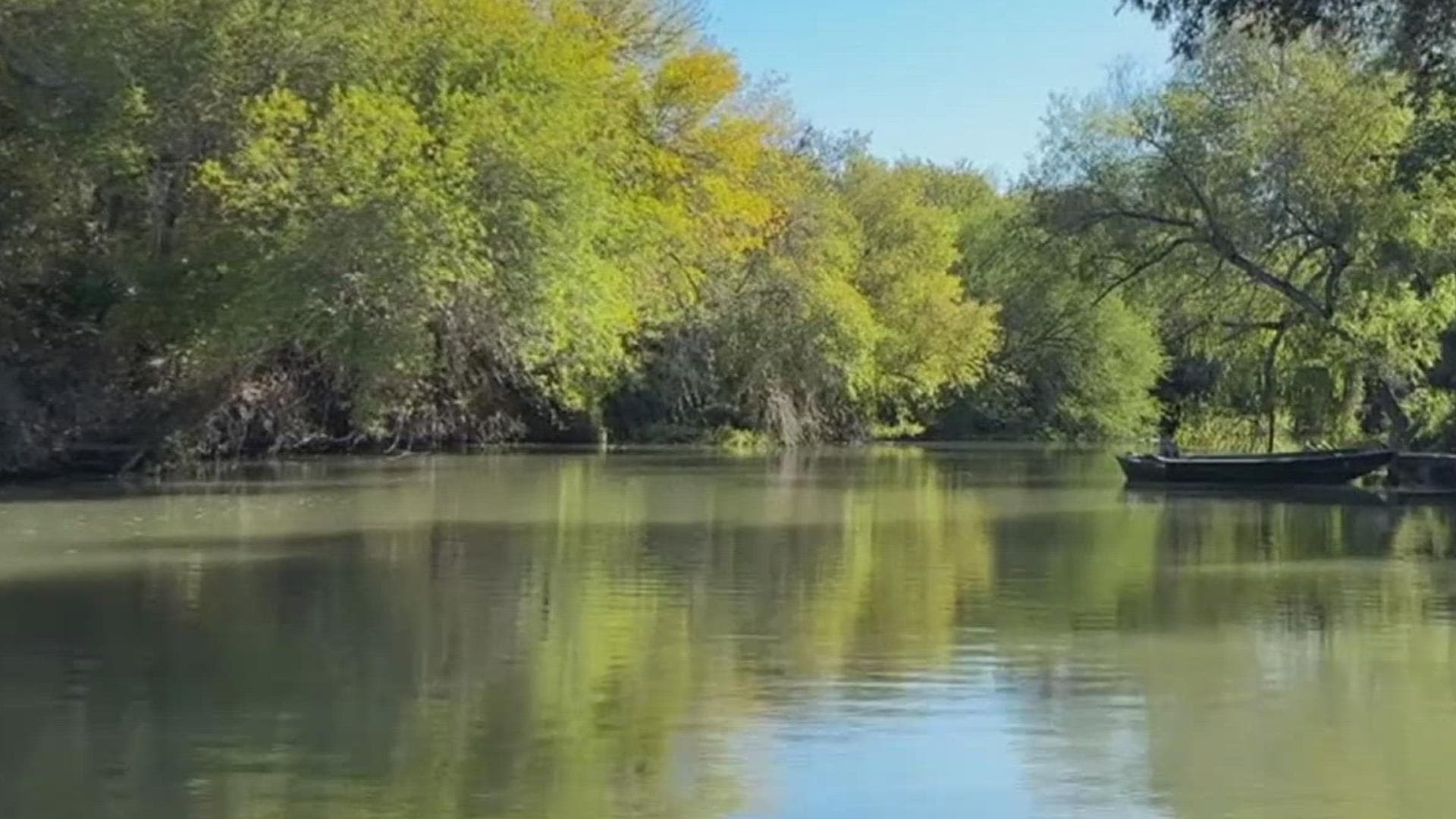
A temporary bed-and-bank permit, effective March 18, 2026, authorizes Corpus Christi to discharge groundwater from its Western and ERF Well Fields into the Nueces River — the first tangible output of a sweeping emergency intervention by Governor Greg Abbott that carries direct consequences for water users across the South Texas region, including Jim Wells County.
Abbott instructed the Texas Commission on Environmental Quality (TCEQ) to issue temporary emergency bed-and-bank permits for western groundwater wells along the Nueces River, increasing short-term access to water. At the same time, state officials directed the Lavaca-Navidad River Authority (LNRA) to modify its drought plan, moving the threshold for water reductions from 50% to 40% lake capacity.
The urgency behind those moves is stark. Abbott's chief of staff, Robert Black, wrote in an email to TCEQ that "disaster is on the doorstep of the City of Corpus Christi," warning that "the normal permitting process takes several months" while the city's two reservoirs on the Nueces River, Choke Canyon and Lake Corpus Christi, "may be depleted as soon as May 2026." The city's online water dashboard had previously indicated those reservoirs could dry by March 2027.
The city is currently drawing most of its water from Lake Texana, 100 miles to its northeast, where LNRA rules stipulate a 10 percent reduction in Corpus Christi's draw when the lake falls below 50 percent full, which authorities expect to happen in April. Abbott's directive to the LNRA was designed to hold that cut off as long as possible. At its Monday board meeting, LNRA General Manager Patrick Brzozowski said his intention is to make no immediate reduction in the volume or schedule of water delivered to the city — significant because LNRA's drought contingency plan calls for a pro-rata reduction once the reservoir reaches 50 percent.
The new permit authorizes the city to discharge groundwater from its Western and ERF Well Fields into the Nueces River, with production expected to begin at an initial rate of 5 MGD, with output increasing as additional wells come online. The permit is temporary and expires after three years or when the Governor's Drought Disaster Proclamation ends, whichever comes first.

The intervention, however, comes with tradeoffs that rural communities are already measuring. Nueces County Commissioner Mike Pusley said the governor "is stepping forward to help the citizens and businesses of Corpus Christi avoid disaster," but cautioned that "the rural communities that depend on water wells for their livelihoods will suffer as a result." The city's well fields sit in rural Nueces County, and residents there say they are already measuring consequences — concerns that the new permit does not address.
Even with the permits secured, the math remains difficult. At current production levels of 4 MGD, the emergency wells won't prevent the city from entering a water emergency in May. If those wells produce 10 MGD by April, it still might not prevent that outcome. Boosting production and securing additional permitting by April could push the emergency to October. Only if the city also receives permits for its Evangeline groundwater import project and begins producing 4 MGD by November could it avoid an emergency altogether.
District 32 State Representative Todd Hunter acknowledged the steps taken were constructive but was measured in his assessment: "It's a great constructive effort to try to help the area. That doesn't mean that the water issue is now over."
City Manager Peter Zanoni expressed gratitude for the state's intervention, saying the city remains "committed to working closely with the Governor's Office, our legislative delegation, LNRA and TCEQ to improve the water supply for all customers." With Lake Texana still sliding toward its 40 percent trigger point and the Nueces reservoirs effectively empty, the window for that cooperation to produce results is narrowing fast.
This article was produced by Prism’s automated news system from verified source data, official records, and press releases, then run through automated quality and moderation checks before publishing. The system is built and supervised by the people who set the standards it runs under. Read our full AI policy.
Did this article answer your question?