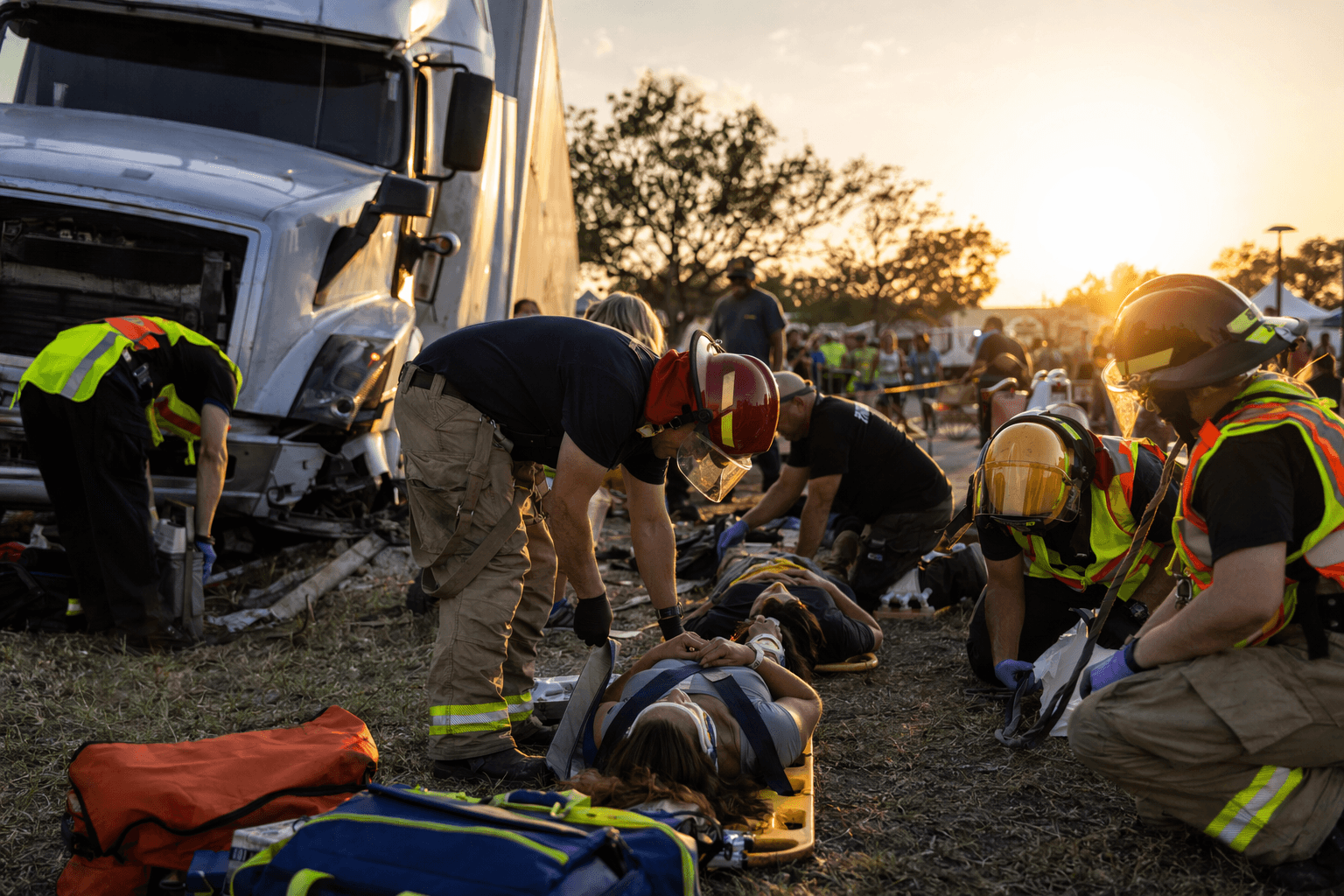
Alice Fire Department joins whole blood trauma program for rural rescues
Alice paramedics can now start transfusions before the hospital, bringing whole blood to rural crashes and farm injuries when minutes can decide survival.
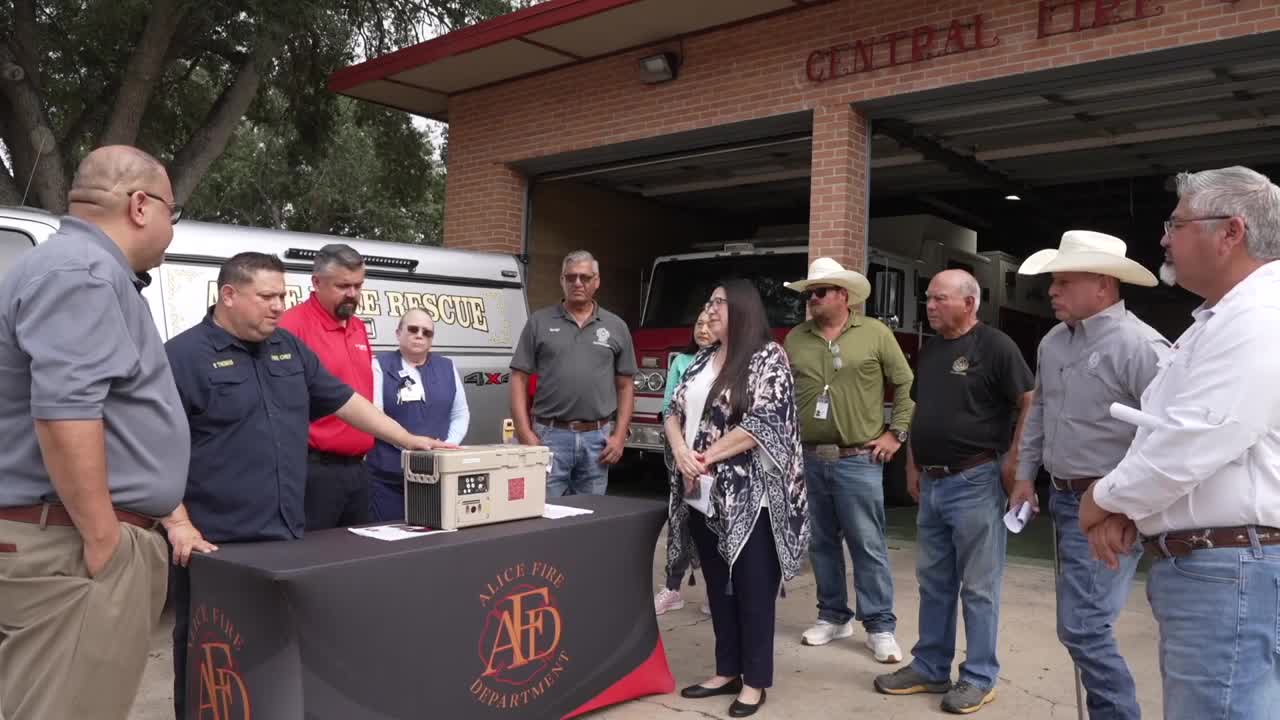
A crash on a county road or a farm injury outside Alice can now meet a different kind of response: Alice Fire Department and EMS crews can carry whole blood and give it before a patient reaches the hospital. The department is now one of four regional EMS stations authorized to administer whole blood in the field, a change that puts a new trauma tool in the hands of paramedics serving Jim Wells County and the wider rural stretch around South Texas.
The program launched about three months ago after months of training and planning, and Chief Patrick Thomas said the department has already had calls where the blood was needed. For families in Alice, Premont and the surrounding ranch country, that matters because the nearest advanced trauma care may still be an hour or more away. CHRISTUS Spohn Hospital Alice serves the area as an acute care hospital, but it is not a trauma center, which makes the ability to begin transfusion before arrival especially important when severe blood loss is the threat.
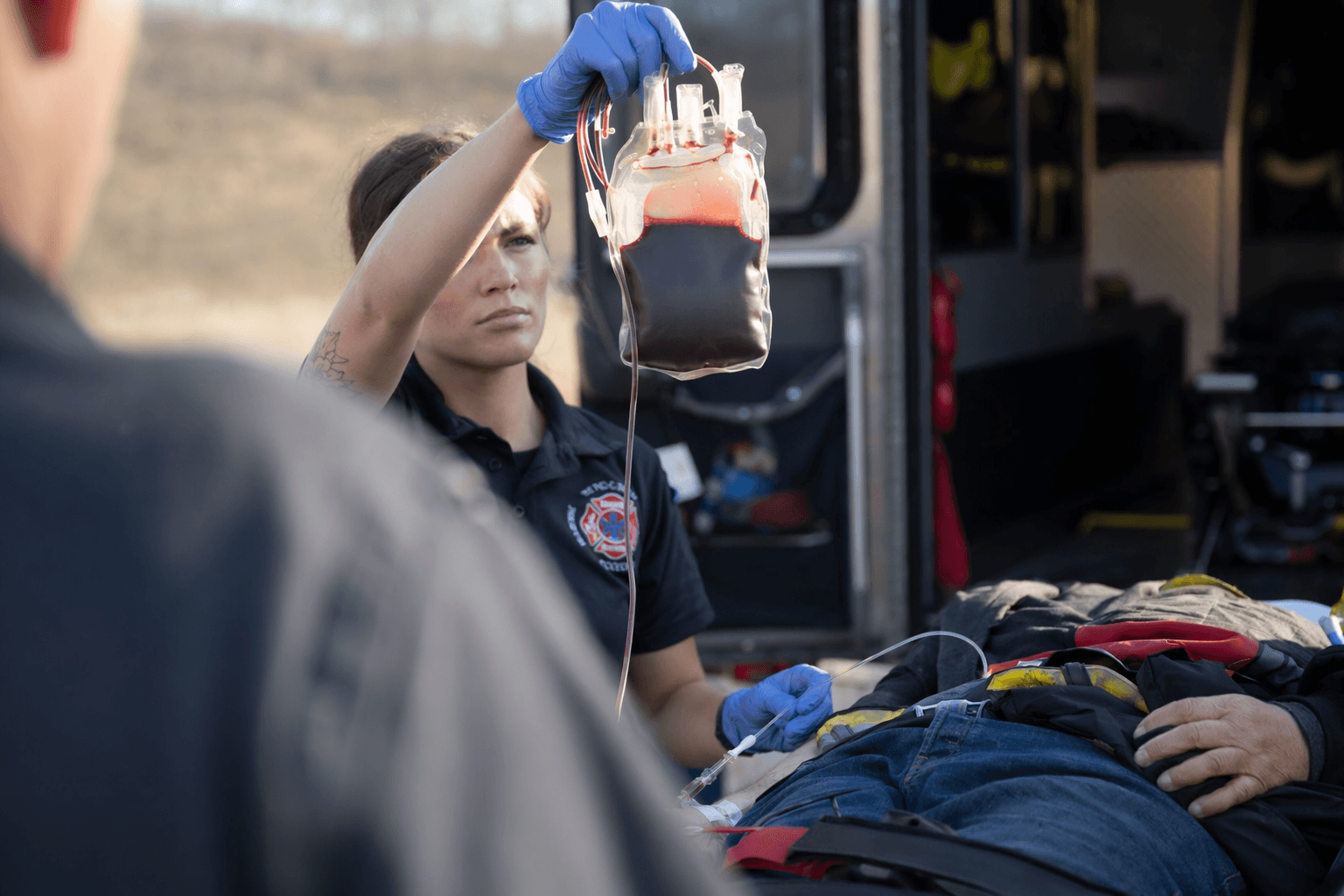
Whole blood is meant for the patients who can least afford to wait: people with major trauma, dangerous bleeding or other life-threatening blood loss. The Coastal Bend Regional Advisory Council, which says its mission is to reduce death and disability related to trauma, disaster and acute illness through coordinated regional response, has built the program around that need. Roland Padilla serves as the council’s regional whole blood program manager, and Daniel Johnson, chief of Port Aransas EMS, chairs its whole blood committee.

The medical case for the program is stark. EMS.gov says severe bleeding is the leading cause of preventable death among trauma patients, and that every minute of delay in administering prehospital blood raises mortality by 11%. National EMS guidance also says prehospital blood programs can improve outcomes and may involve 911 centers and other regional partners. In rural communities, the American College of Surgeons says the gap is even wider: by 2022, nearly 47 million Americans lived more than an hour from a Level I or II trauma center, a reality that still shapes survival chances far from major cities.
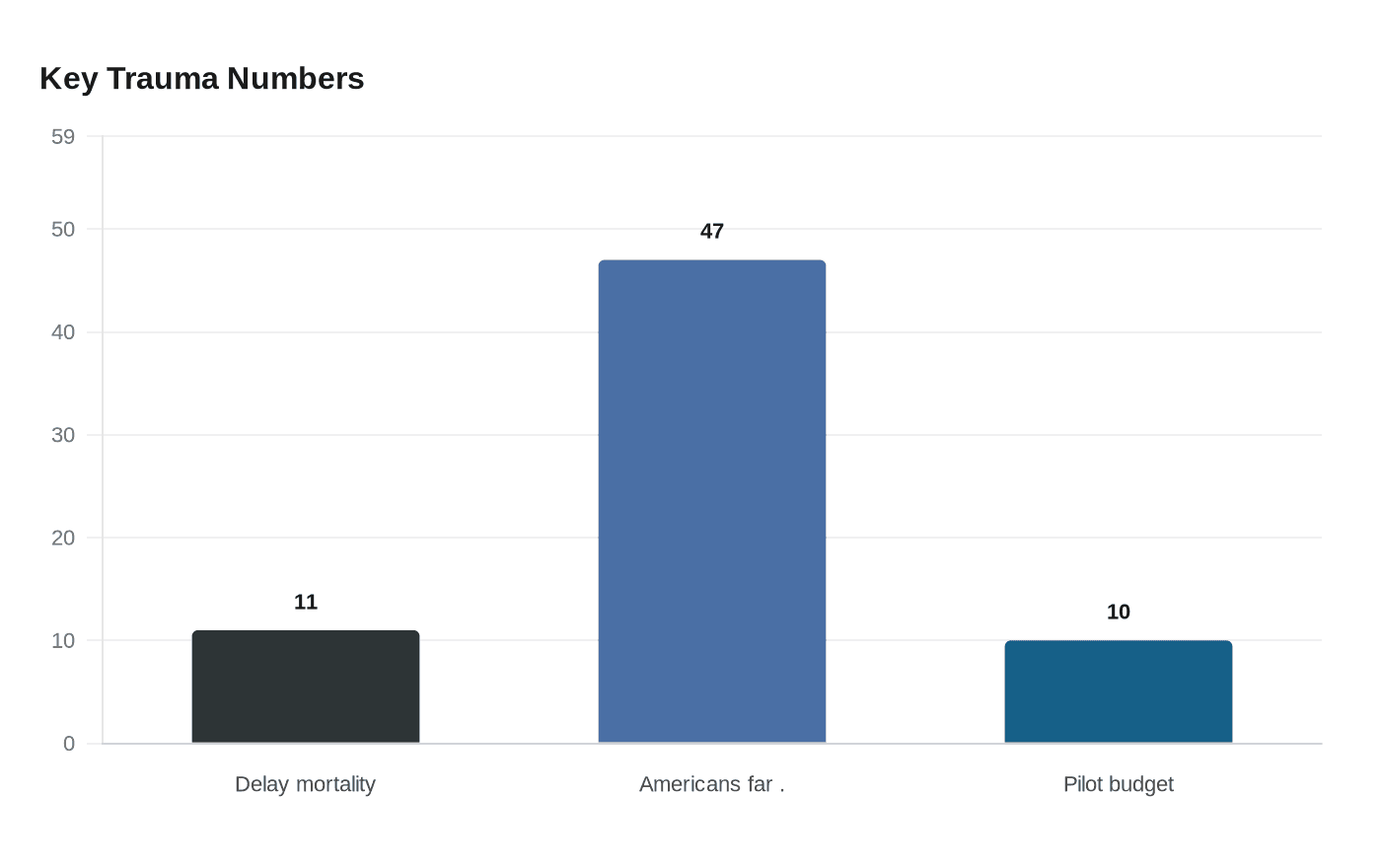
Allegiance Mobile Health paramedic Joey Campos said the new capability gives crews a more aggressive option in critical cases, and he described one recent call in which a patient who initially looked lifeless was talking with her son by the time they left the hospital. Texas is also expanding the model statewide, with lawmakers setting aside $10 million in the 2026-27 budget for a whole blood pilot program and the Texas Department of State Health Services due to report on its status by Nov. 1, 2026. In Jim Wells County, the goal is immediate: bring hospital-level support closer to the scene when rural distance turns every minute into a fight for life.
Know something we missed? Have a correction or additional information?
Submit a Tip