Alice launches prehospital blood program to boost trauma response
Alice’s fire department can now carry whole blood to trauma scenes, adding a rare lifesaving tool for crashes and other emergencies across Jim Wells County.
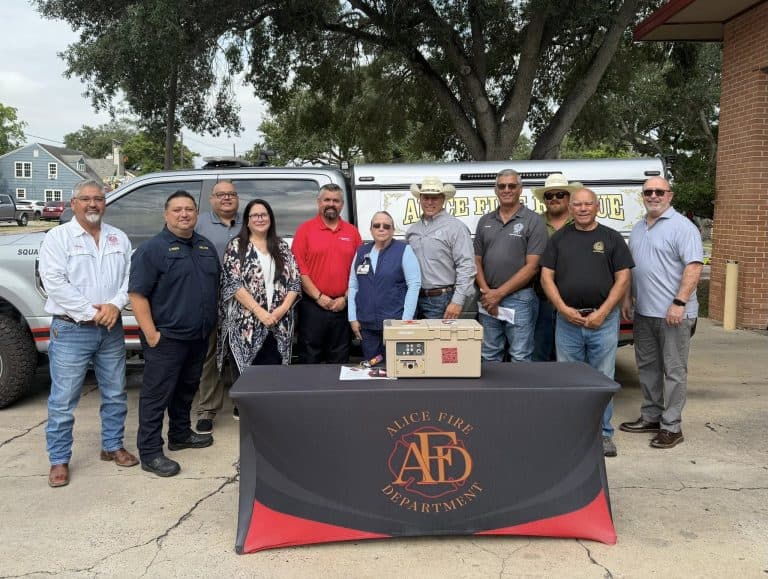
Blood that reaches a crash victim before the ambulance reaches the hospital can mean the difference between life and death, and Alice’s new prehospital whole blood program put that tool in the hands of local first responders. The launch at Central Fire Station gave Alice Fire Department and EMS a way to begin transfusions in the field for the most critical trauma cases, when minutes matter and definitive care may still be miles away.
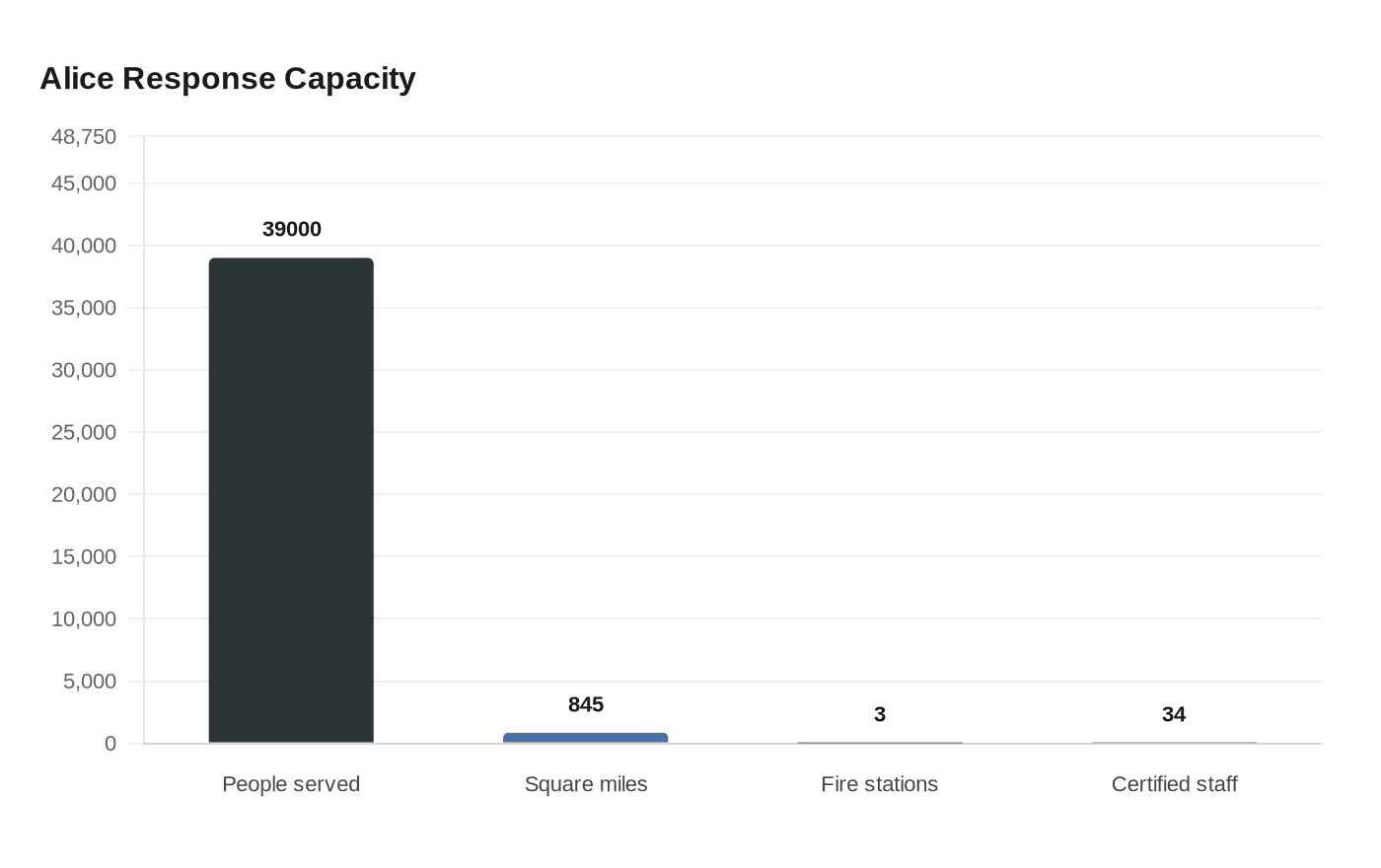
The program made Alice one of only four fire departments in the area authorized to administer blood before a patient reaches the hospital. That matters in Jim Wells County, where the City of Alice says its fire department has served residents since September 10, 1949 and now protects about 39,000 people across 845 square miles with three fire stations and a council-authorized staff of 34 certified members. In a county that spreads far beyond city limits, faster treatment can help bridge the gap between the scene of an emergency and a trauma bay.
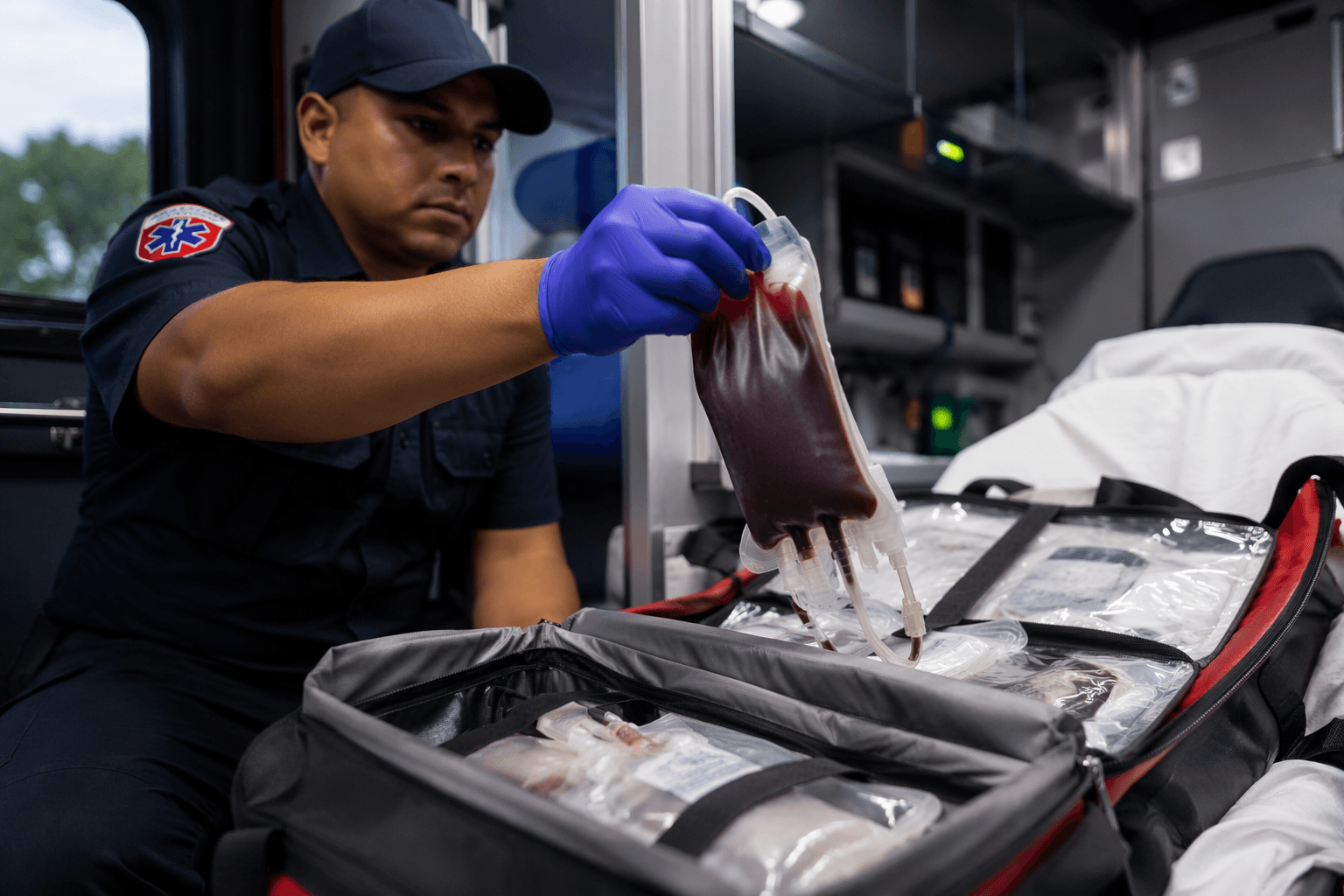
The regional effort behind the launch runs through the Southwest Texas Regional Advisory Council. STRAC says its Regional Whole Blood Program includes South Texas Blood and Tissue, regional trauma centers such as University Health and Brooke Army Medical Center, and regional EMS agencies on the ground and in the air. STRAC says the program is designed to reduce pre-hospital death from hemorrhage while keeping wastage below the national average, a key point for a medical product that must be stored, tracked and used carefully.
Alice’s move also fit into a larger Texas trend. EMS1 reported on May 21, 2026 that Texas is scaling prehospital whole blood through legislation, trauma-system collaboration and a $10 million investment in EMS blood capability. Nationally, the National Emergency Medical Services Information System tracked more than 48,000 EMS blood transfusions in 2024-2025, including more than 22,000 during ground ambulance responses. Rural agencies accounted for roughly 42% of those cases, a sign that counties like Jim Wells are among the places where field blood can matter most.
The data also showed whole blood is becoming the dominant product in many prehospital settings, making up about 62% of documented transfusions during ground transport and 23% overall. AABB has also moved into accrediting facilities for emergency prehospital and scheduled out-of-hospital transfusions, even as the evidence base continues to evolve, including a recent New England Journal of Medicine phase 3 trial that found no overall 30-day mortality difference between prehospital whole blood and component therapy in trauma patients at risk for hemorrhagic shock. For Alice, the program marked a practical upgrade to emergency care, rooted in the realities of rural response and the urgency of stopping blood loss before the hospital ever comes into view.
This article was produced by Prism’s automated news system from verified source data, official records, and press releases, then run through automated quality and moderation checks before publishing. The system is built and supervised by the people who set the standards it runs under. Read our full AI policy.
Know something we missed? Have a correction or additional information?
Submit a Tip