Ben Bolt's name came from a song, shaped by railroads and ranching
A song gave Ben Bolt its name, but railroads and ranching gave it shape. Today the town’s strongest modern marker is its school district, not tourism or branding.
Ben Bolt still stands out in Jim Wells County because its name came from a song, but the town itself was built by the older forces that defined South Texas settlement: ranching, rail access, and local trade. The place sits on Farm Road 2508 off U.S. Highway 281, seven miles south of Alice, and its story tracks the county’s shift from open ranch country to small railroad-era communities.
A name lifted from popular music
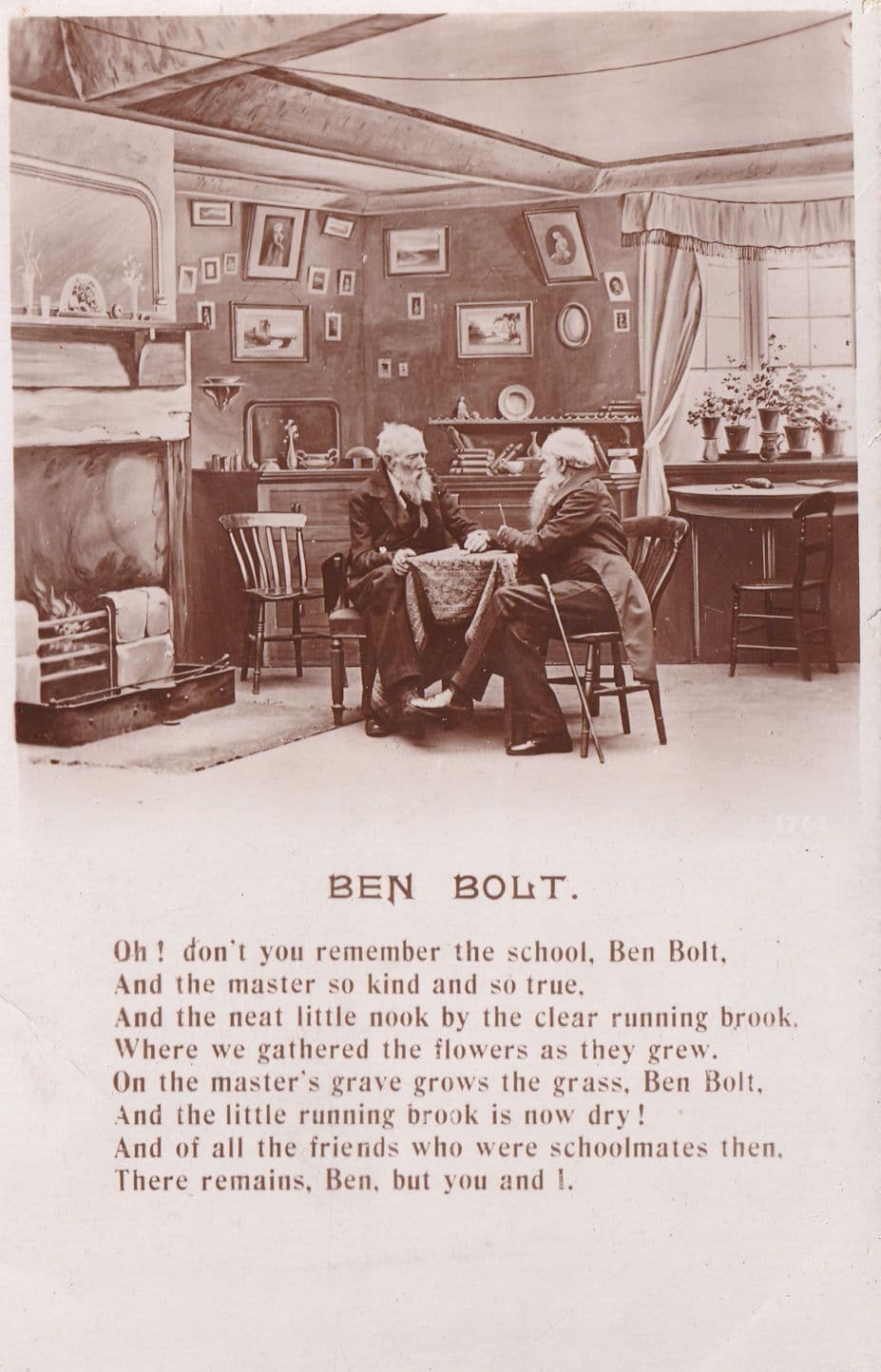
Ben Bolt was laid out in 1904 by L. B. Collins, and the town took its name from the popular 19th-century ballad “Ben Bolt,” whose opening line asks, “Don’t you remember sweet Alice, Ben Bolt?” That detail gives the community a rare kind of identity, one tied as much to popular culture as to geography. In a county where place names often reflect land grants, ranch families, or railroad stops, Ben Bolt’s naming stands apart.
The song matters because it explains why the town is remembered so easily, even by people who have never driven through it. But the name did not arrive in a vacuum. Ben Bolt was planted in a working landscape already shaped by Mexican herders, who lived in the ranching area before the railroad arrived, and by the market logic that rail lines brought to South Texas communities.
Railroad lines, ranch land, and early commerce
Jim Wells County’s early development was strongly shaped by ranching and railroads, and Ben Bolt shows how those forces worked together. The San Antonio and Aransas Pass Railway was chartered in 1884 to connect San Antonio with Aransas Bay, and the route decisions that followed reshaped settlement patterns across the county. Alice, the county seat, developed after the railroad’s attempted route was shifted away from Collins, a reminder that a rail survey could make one place prosper and leave another to wait for a different opportunity.
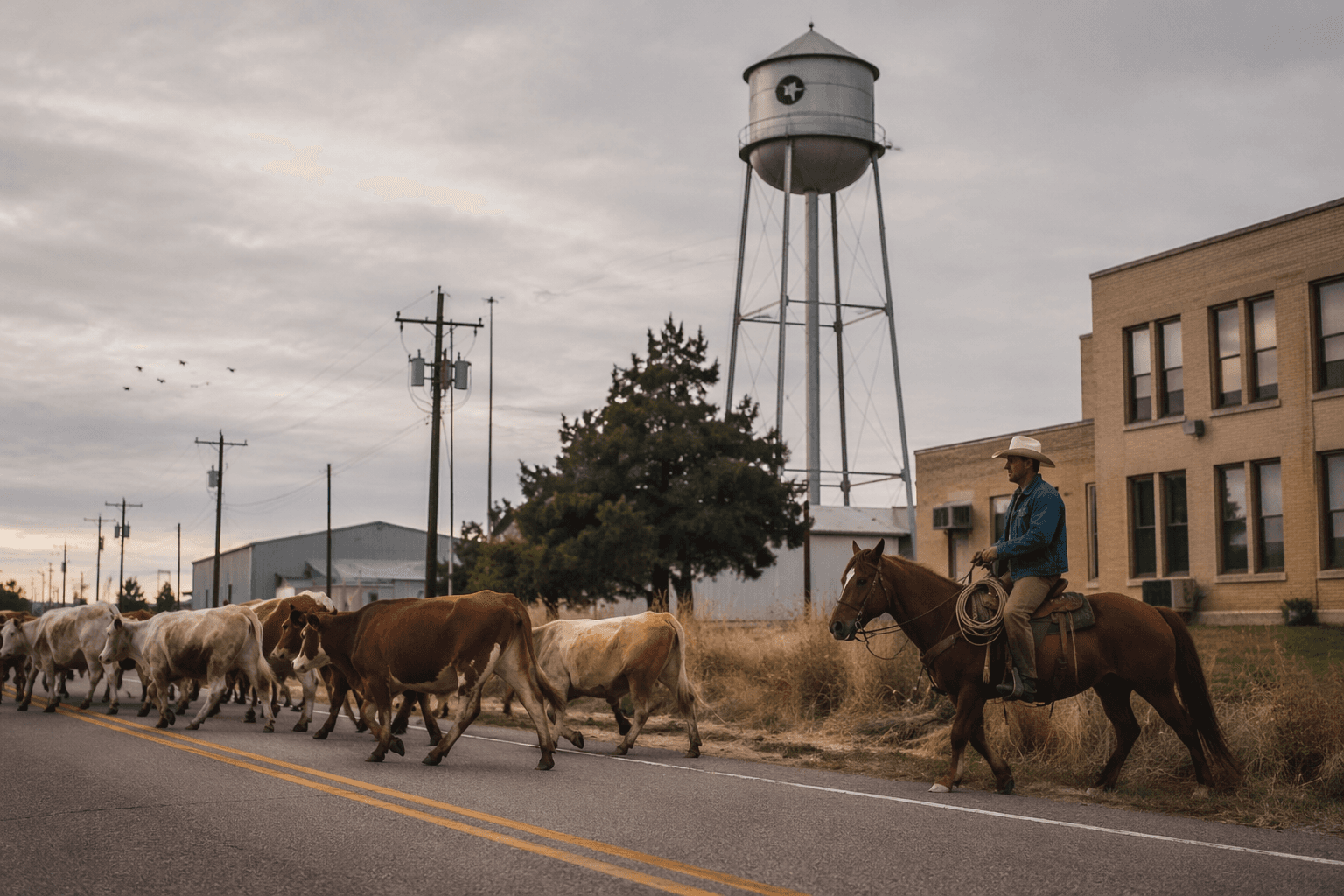
Ben Bolt received a post office in 1906, which meant the community had enough permanence to justify a formal federal service point only two years after being laid out. By 1914, the town had fifty residents, a cotton gin, a general store, a cattle breeder, and the San Antonio and Aransas Pass Railway line running through it. Those details show what the local economy demanded: cotton processing, household supply, cattle work, and transportation that could move goods to broader markets.
That early mix tells the real story behind the name. The song made Ben Bolt memorable, but the railroad and ranch economy made it useful. A place could survive in this part of Texas only if it could serve the people working the land, and Ben Bolt did exactly that.
Population swings, then a steadier local base
Ben Bolt never became a large city, and its population history reflects a small community that rose, dipped, and persisted. The town had 120 residents in 1947, 75 in 1950, and 138 in 1966. More recent counts show a larger community footprint: the 2020 census listed Ben Bolt as a census-designated place with 1,662 people, while TSHA’s 2021 data table put the population at 1,555.
Those numbers matter because they show that Ben Bolt remained a durable node in the county’s geography rather than a one-time railroad outpost that disappeared. The place kept enough people, institutions, and daily traffic to stay on the map in practical terms, even as the original cotton-and-rail economy faded. In a county where many settlements never incorporated as formal municipalities, that kind of endurance is its own form of significance.
The broader county context reinforces that point. The area that is now Jim Wells County has been the site of human habitation for perhaps 11,000 years, but Ben Bolt belongs to the much later chapter when railroads, ranching, and roads began organizing settlement in modern South Texas. It is a small community, but it is part of the county’s long civic pattern, not a footnote to it.
What the name means now
Today, Ben Bolt’s clearest modern identity is institutional, not commercial. The Ben Bolt-Palito Blanco Independent School District serves the area, with Palito Blanco Elementary School for grades K-3, Ben Bolt Middle School for grades 4-8, and Ben Bolt-Palito Blanco High School for grades 9-12. That school structure keeps the Ben Bolt name in daily use and gives it a civic life that reaches beyond old railroad history.
The available record does not show Ben Bolt turning its unusual name into a major tourism draw or a distinct business brand. What endures instead is a quieter kind of relevance: the name still anchors a school-centered local community and gives residents a shared identifier that travels farther than the town’s size might suggest. In that sense, Ben Bolt’s strongest modern impact is not economic spectacle but continuity, carried forward by the district, the roads that still connect it to Alice, and a name that has never stopped being distinctive.
This article was produced by Prism’s automated news system from verified source data, official records, and press releases, then run through automated quality and moderation checks before publishing. The system is built and supervised by the people who set the standards it runs under. Read our full AI policy.
Know something we missed? Have a correction or additional information?
Submit a Tip