Corpus Christi Groundwater Project Receives First Pipe Shipment, Enters Construction Phase
Six hundred feet of 48-inch HDPE pipe arrived at the Evangeline Groundwater Project site March 27, kicking off heavy construction on a build that reshapes water supply math for South Texas.
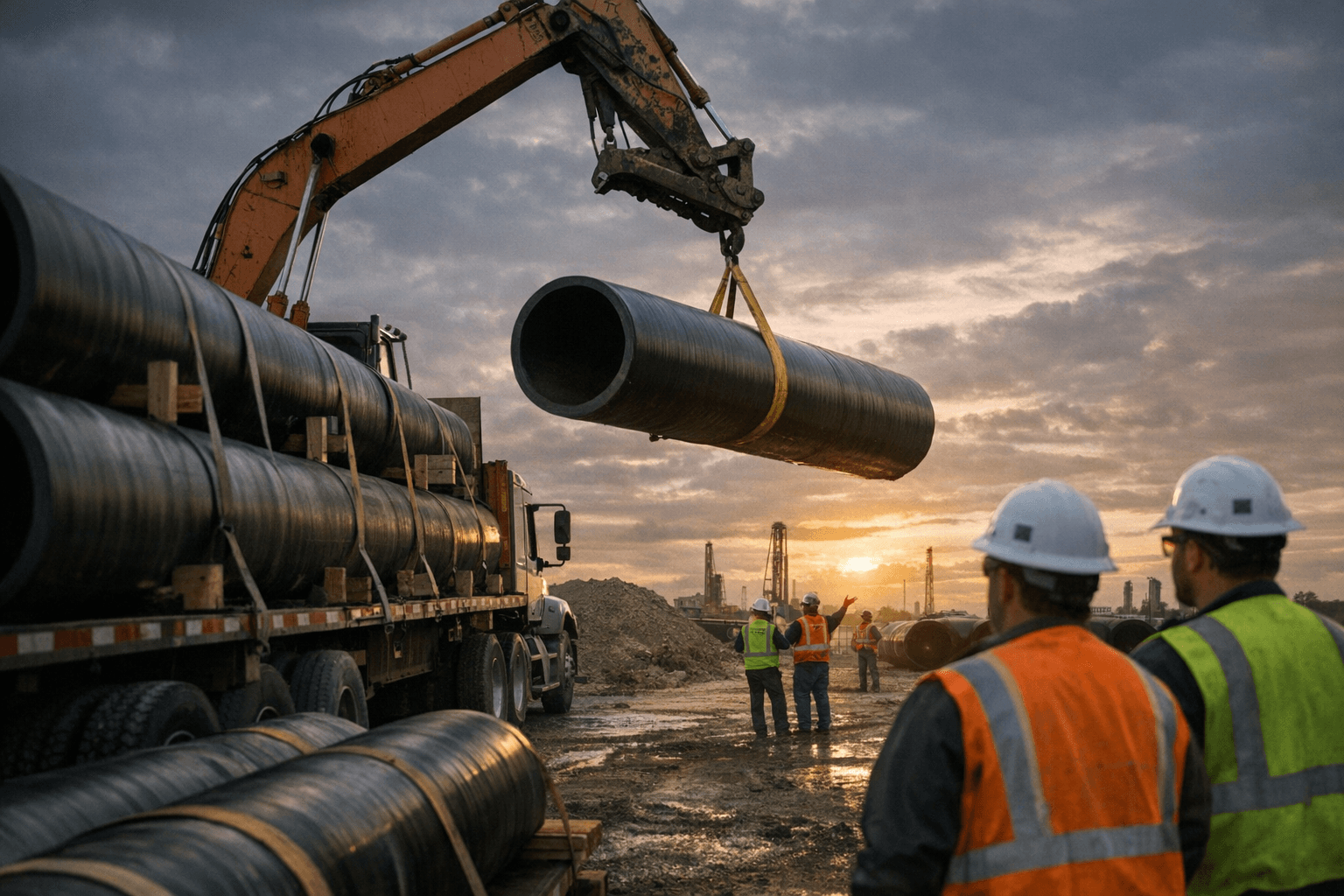
Six hundred feet of 48-inch HDPE pipe arrived at the Evangeline Groundwater Project construction site in San Patricio County on March 27, converting what had been years of permitting, engineering and contract negotiations into something residents in multiple counties can now see on the ground.
City Manager Peter Zanoni shared photographs of the delivery, and project contractors described the shipment as the first of many. By the end of July, project leaders expect the majority of pipe to be on site, a compressed delivery window that signals how aggressively Corpus Christi Water (CCW) is pushing to move Evangeline from design into steel and dirt.
The scale of what is being built puts the milestone in context. The full Evangeline program includes 24 wells, a 24-million-gallon-per-day high-service pumping station, approximately 35 miles of transmission pipeline and a 3-million-gallon storage tank. That pipeline ties directly into the Mary Rhodes pipeline, the existing regional corridor that already carries supply into Corpus Christi's distribution system. CCW has positioned Evangeline as a drought-resilient groundwater supplement intended to reduce the city's vulnerability to surface-water curtailments.
For Alice and the smaller utilities scattered across Jim Wells County, the construction milestone carries implications that go beyond what is happening in San Patricio County. New groundwater flowing toward Corpus Christi draws from the same South Texas aquifer system that regional communities depend on, and how much Evangeline pulls, at what rate and under which permits, will influence both the price and the availability of wholesale water in the years ahead. Interconnection options, whether neighboring utilities can eventually purchase Evangeline supply or must compete harder for existing sources, remain unresolved.
The pipe delivery does not resolve those questions. Contested-permit proceedings and public hearings on related water-rights approvals are still scheduled, and neighboring jurisdictions have raised concerns about aquifer impacts, data transparency and the limits of municipal authority over regional groundwater decisions. Litigation risk has not disappeared simply because materials are arriving on site.
Jim Wells County water managers and local officials should track three near-term markers: hearing dates on contested Evangeline permits, any rule changes from regional groundwater conservation districts affecting bed-and-bank permits, and the structure of any wholesale contract negotiations that CCW enters with outside utilities. Residents who notice heavy haul traffic on county roads as additional pipe shipments move toward the San Patricio construction corridor, or who receive water rate notices citing regional infrastructure investment, can bring questions directly to the Alice city water department or the Jim Wells County Commissioners Court, where local leaders will ultimately have to explain how regional supply shifts translate to household bills.
This article was produced by Prism’s automated news system from verified source data, official records, and press releases, then run through automated quality and moderation checks before publishing. The system is built and supervised by the people who set the standards it runs under. Read our full AI policy.
Did this article answer your question?