Downtown Alice Serves as Jim Wells County's Civic and Cultural Hub
Alice, Texas earned its "Hub City" nickname for good reason: every thread of Jim Wells County life, from King Ranch history to live Cinco de Mayo music, runs through its walkable downtown core.
The City That Refused to Stay Small
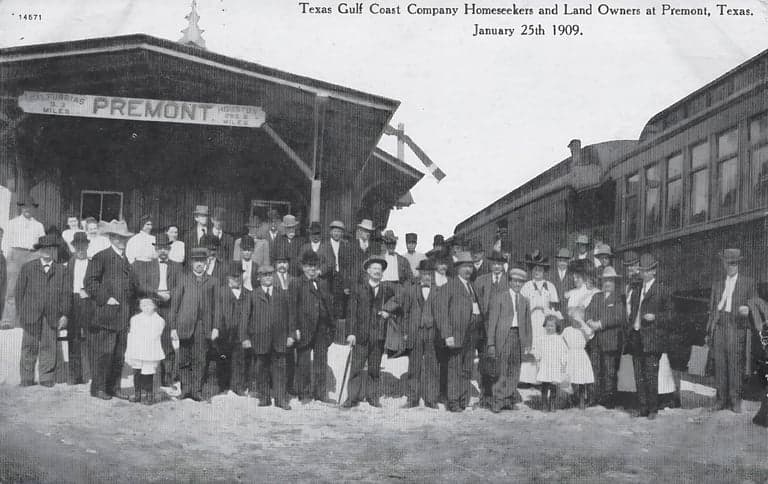
Before it was called Alice, this South Texas crossroads went by Bandana, then briefly by Kleberg. The name that stuck arrived in 1888, when the local post office opened under the name chosen to honor Alice Gertrudis King Kleberg, the daughter of Richard King, founder of the storied King Ranch, and wife of Robert Justus Kleberg. That single naming decision telegraphed something about the city's character: it has always been tied to the great ranching dynasties, the land, and the families who shaped South Texas from the ground up. By the time Alice was formally incorporated on June 2, 1904, it already had 887 residents and a reputation as one of the busiest cattle-shipping points in the country. When Jim Wells County was organized in 1911 and named for Rio Grande Valley developer James B. Wells Jr., Alice was the natural choice for county seat. Today, with a population of 17,891 counted in the 2020 census, it remains the civic and commercial anchor for everyone in the county.
A Downtown Built to Last
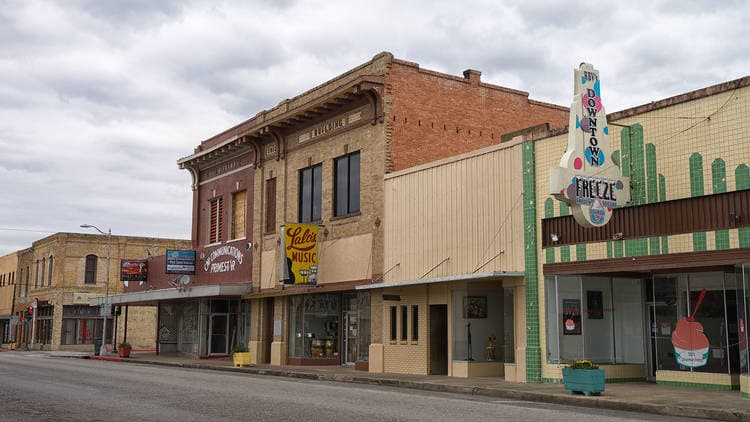
The corner of Main Street and North King Street is the geographic and symbolic center of downtown Alice, and it has been rebuilt from setback before. A fire in 1909 destroyed roughly half of the Alice business section, yet the city came back within years. By 1914, downtown supported a population of 3,500, two banks, a cottonseed oil mill, a cotton gin, an ice plant, and two weekly newspapers. That recovery instinct is visible in the streetscape today: locally owned shops, breakfast cafés, family bakeries, and small retailers fill storefronts that have changed hands across generations. The Alice Hub City Chamber of Commerce organizes ribbon-cuttings, grand openings, and business-networking events that keep the block-by-block economy active and public.
Walking Main Street and North King Street is genuinely low-effort. The corridor is compact and flat, making it accessible on foot, and street parking is readily available along the main commercial blocks. Shade trees and covered storefronts break up the South Texas heat. Practical stops to anchor any downtown walk:
- Alicia Salinas Public Library, 401 E. 3rd St. The city's primary research repository and a community living room. Collections include digitized editions of the Alice Echo and the earlier Alice Daily Echo, historical photographs, municipal records, and print archives. If you are tracing family roots in Jim Wells County or want to see what downtown looked like before the 1909 fire, this is the starting point.
- Municipal offices and civic buildings. City council meetings, public hearings, and county proceedings take place in and around downtown. Agendas and meeting minutes are posted on the City of Alice CivicWeb portal, so any resident can review what is scheduled before showing up.
- Local churches and community anchors. Several congregations with multi-generational memberships are within easy walking distance of the commercial core. Their histories, documented in library archives, overlap directly with the city's civic milestones.
The Alice Natatorium: More Than a Pool
One of downtown Alice's most-used public amenities sits a short drive or bike ride from Main Street: the Alice Natatorium. The facility is not a simple community pool. It combines a water park with an indoor pool, conference rooms, a party room, picnic tables, a food truck area, and a dedicated concert area, making it a year-round gathering point for everything from youth swim leagues to weekend family outings. Indoor hours run Monday through Thursday, 12 p.m. to 8 p.m. The outdoor water park operates Saturday and Sunday, 1 p.m. to 7 p.m. Restrooms, shade structures, and seating are built into the facility, which matters considerably on a full-sun South Texas afternoon. Parking is available on-site, and the layout is accessible for visitors with mobility needs.
Parks, Fields, and the Rhythm of Youth Sports
Beyond the Natatorium, Alice maintains a network of pocket parks and public fields that serve as the daily backdrop for community life. Anderson Park and other municipal sites offer basketball courts, playgrounds, and open green space used for youth athletics, summer programming, and informal weekend gatherings. The city's 18-hole golf course, running 6,129 yards from the championship tees with a par of 71, operates seven days a week from 7 a.m. to 7:30 p.m. and includes a pro shop and snack bar. These facilities collectively represent a significant share of the city's quality-of-life infrastructure, funded by the tax base that a healthy downtown commercial corridor directly supports.
Where to Eat: Locally Owned and Community-Rooted
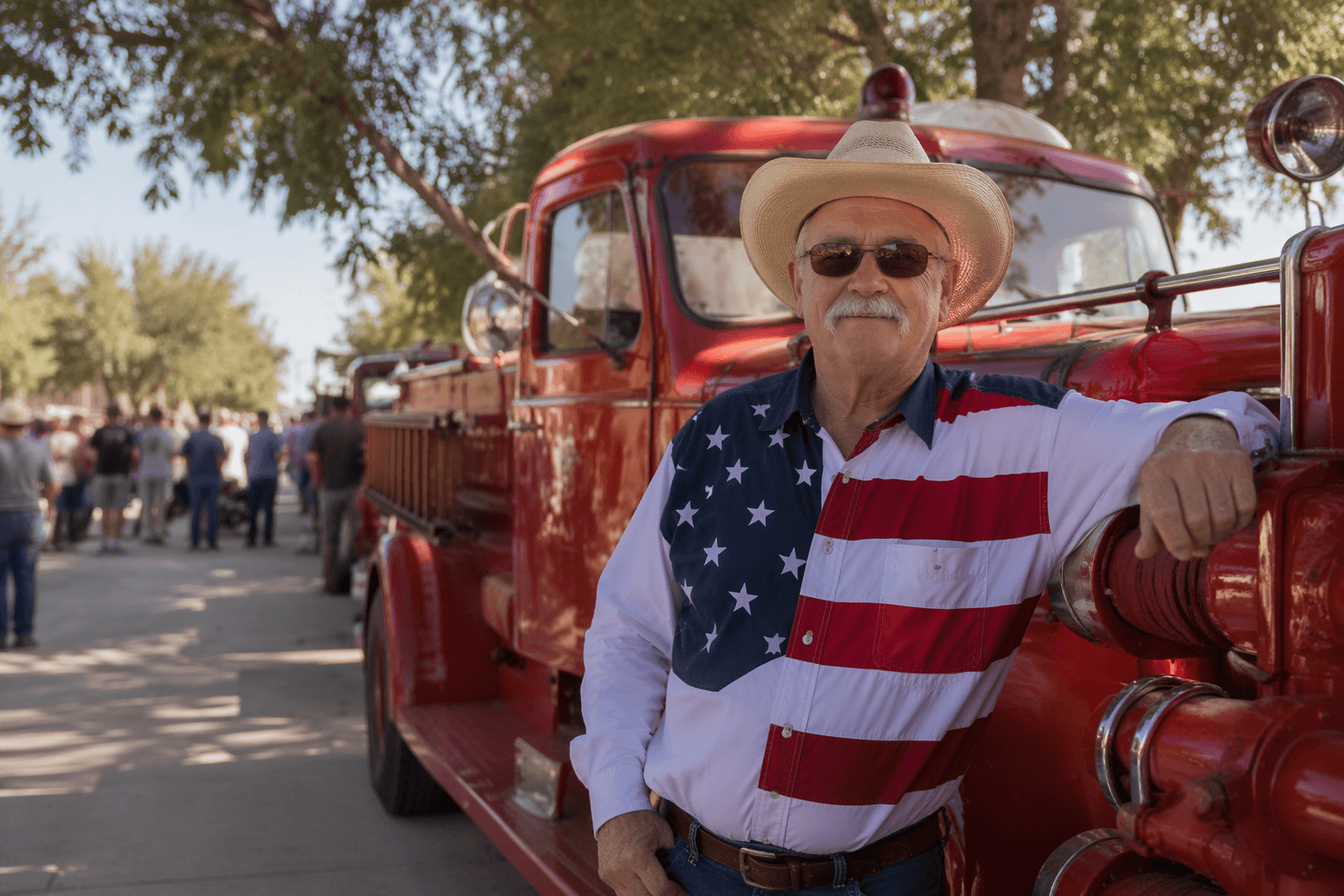
The dining landscape in downtown Alice and its immediate surroundings centers on independent operators. Locally owned breakfast cafés, family-style Mexican restaurants, and bakeries serve as informal meeting places where neighbors catch up, where school fundraisers get organized, and where newcomers meet the community. The City of Alice promotes dining under its "Eat Alice" initiative, which highlights the range of options from quick counter service to sit-down family meals. Cinco de Mayo each year brings a festival atmosphere directly into the downtown streets, complete with live music, food vendors, and the kind of cross-generational crowd that makes clear why the Hub City nickname has endured.
History You Can Read in the Archives
Alice's identity as a service hub evolved through distinct economic eras: cattle ranching in the late 19th century, agricultural shipping after the railroad arrived, and then a significant shift following the discovery of petroleum beneath and around the town in the 1940s. Each transition left a paper trail, and much of it is held at the Alicia Salinas Public Library. The digitized Alice Echo archive is particularly valuable for anyone tracing a business, a family name, or a civic institution back through the decades. The library's historical photographs show downtown building patterns that predate living memory, and the municipal records collection includes land and permit histories relevant to ongoing redevelopment discussions at city council.
Planning Your Visit or Saturday in Alice
For a practical itinerary, the downtown core takes roughly 60 minutes to walk at a relaxed pace, including a stop inside the library. A half-day adds the Natatorium and a meal at one of the locally owned cafés. A full day comfortably includes the golf course, an afternoon at the outdoor water park, and a stop at whatever public event the Hub City Chamber has scheduled that weekend. To check what is upcoming, the Alice Hub City Chamber event calendar and the City of Alice News & Events portal both publish current listings.
For civic-minded visitors and residents who want to move beyond tourism into participation, the City of Alice CivicWeb portal is the direct path to city council agendas, public hearing notices, and ordinance tracking. Downtown redevelopment projects, public investment decisions, and business licensing actions all flow through that process, and being physically present in the downtown core, whether shopping, eating, or simply walking, keeps residents close to the conversations that shape it.
The nickname "Hub City" was never just a marketing slogan. It describes a place where ranching heritage, county government, public recreation, local commerce, and civic memory converge in a few walkable blocks. That convergence is what makes downtown Alice worth knowing, and worth showing to anyone who visits Jim Wells County for the first time.
This article was produced by Prism’s automated news system from verified source data, official records, and press releases, then run through automated quality and moderation checks before publishing. The system is built and supervised by the people who set the standards it runs under. Read our full AI policy.
Did this article answer your question?