El Paisano Ranch, A Century of Ranching and Community Ties
El Paisano Ranch is a historic working ranch with acreage in Jim Wells County and neighboring counties, tracing its origins to the early Paisano Grant and sustaining continuous agricultural operation for well than a century. Recent recognition from state agricultural programs and its use as a filming location for major motion picture production activity have renewed public attention, raising questions about local land use, economic opportunity, and preservation of rural heritage.
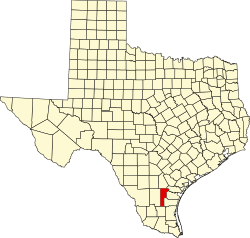
El Paisano Ranch stands as one of South Texas most enduring agricultural properties, with landholdings that extend into Jim Wells County and adjacent jurisdictions. The ranch dates back to early land grants in the region known as the Paisano Grant, and records indicate continuous agricultural operation for well over a century. State level agricultural recognitions have acknowledged the property, and in recent years the ranch also drew public notice as a filming location for major motion picture production activity.
That combination of deep historical roots and high profile activity places El Paisano Ranch at the intersection of cultural heritage and contemporary economic interest. For residents of Jim Wells County the ranch represents both a living link to the region s ranching tradition and a source of occasional economic stimulus when outside productions move in. Film and production work can create temporary demand for local services, lodging and vendors, while public recognition can increase visitor interest in the county s rural landscape.
The renewed attention also highlights policy decisions that shape rural land use. County officials are responsible for permitting, road impacts, and public safety responses when large productions operate in rural areas. At the state level agricultural designation programs can influence tax treatment and conservation of working lands. Those institutional choices affect county budgets, property tax rolls, and the ability of families to maintain agricultural operations across generations.
Civic engagement will be central to how the community manages these competing priorities. Residents can influence outcomes by participating in commissioners court meetings, by monitoring permit processes, and by voting in local elections that set priorities for infrastructure and land stewardship. Local governments will need to weigh short term economic opportunities against long term goals for preserving open space, sustaining agricultural production, and protecting the cultural landscape that defines much of Jim Wells County.
As El Paisano Ranch continues to be both an active agricultural enterprise and a point of public interest, the community and its elected officials face practical choices about land use, economic development, and heritage conservation. The decisions made locally will shape how the county balances growth, fiscal impacts, and the preservation of a ranching legacy that has endured for more than a century.
This article was produced by Prism’s automated news system from verified source data, official records, and press releases, then run through automated quality and moderation checks before publishing. The system is built and supervised by the people who set the standards it runs under. Read our full AI policy.
Did this article answer your question?