Guide to Jim Wells County Offices and Contact Points for Residents
Find direct guidance on who runs county government, where to go for records, taxes, law enforcement, and small‑claims or magistrate services in Jim Wells County.
Local government is where day‑to‑day needs meet public accountability. The following guide lays out the primary Jim Wells County offices residents interact with, what each office does, how it affects community life, and practical tips for making your visit or call productive.
1. County Judge and Commissioners Court
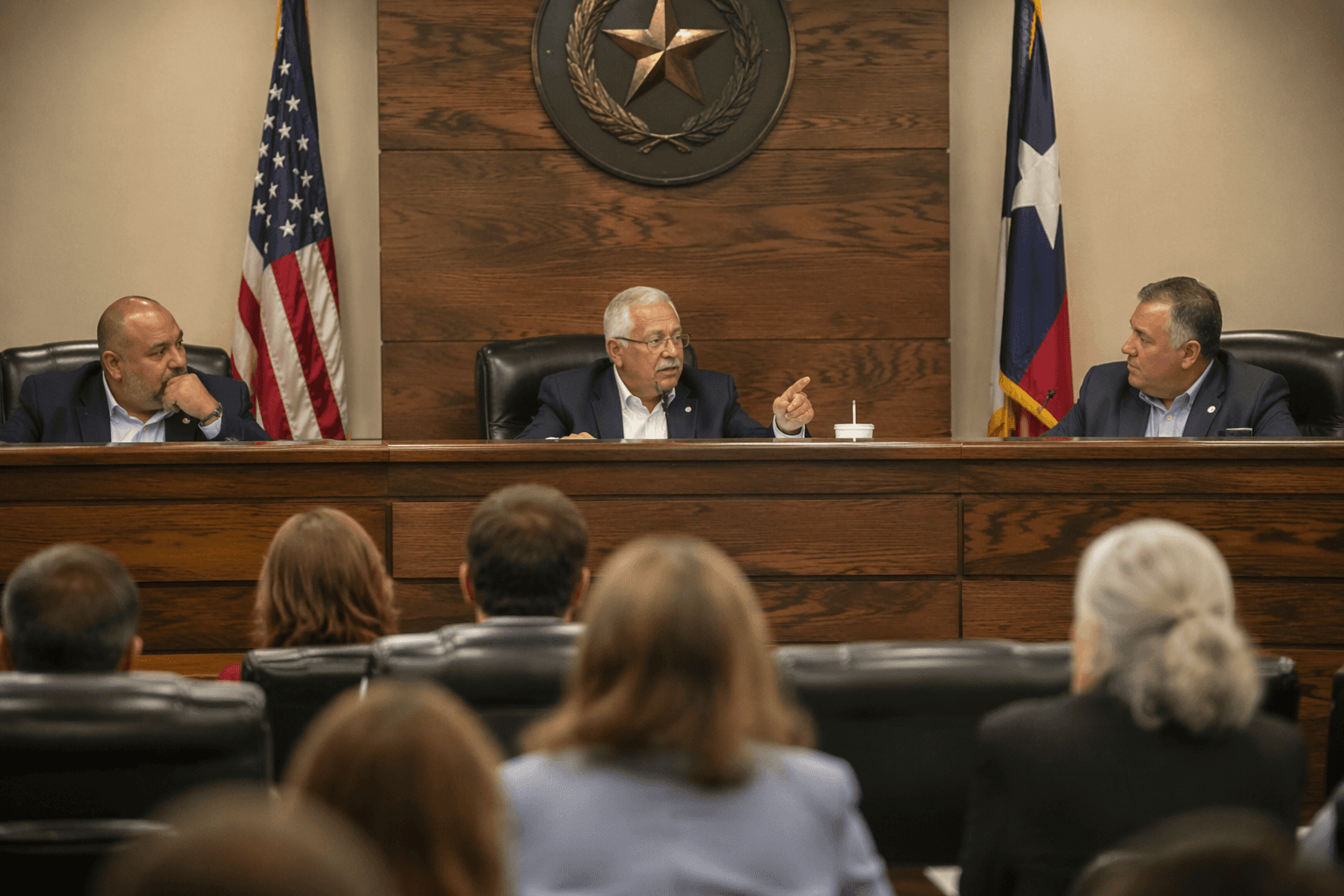
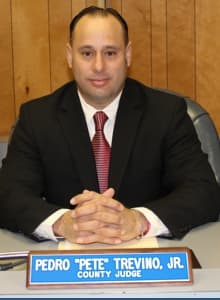
The County Judge presides over the Commissioners Court, the county’s primary policymaking body that sets budgets, approves road and infrastructure projects, and coordinates disaster response. These officials determine priorities that directly influence county services, everything from road maintenance in rural precincts to funding for emergency management and public health initiatives. If you’re concerned about a county road, drainage issue, or local disaster planning, your precinct’s commissioner and the County Judge are the decision points that can move contracts and county funds. Attend a Commissioners Court meeting or request to speak to make your case in public; local advocacy often shapes which projects receive attention and funding.
2. County Clerk
The County Clerk handles official records that affect everyday legal and civic life: property deeds, marriage licenses, probate and guardianship filings, and minutes for many county boards. These records are essential for proving ownership, establishing legal relationships, and accessing court services; when buying or selling land, or when you need certified copies for benefits and immigration paperwork, the clerk’s office is where the paper trail is authenticated. Filing procedures and fees are administrative but exacting, bring identification, copies, and any required forms, and ask the clerk about expedited or certified options if you need documents quickly. For community events and public records requests, the clerk’s office is also the point of contact to obtain meeting minutes or official resolutions.
3. Tax Assessor-Collector
The Tax Assessor-Collector is the county’s revenue gatekeeper: they assess and collect property taxes, issue vehicle registrations and tags, and process exemptions that can lower tax burdens for seniors, veterans, and disabled residents. Property tax income funds schools, law enforcement, and road maintenance, so timely payment and correct exemptions have direct local impact. If you believe your property appraisal is incorrect, start with the assessor‑collector’s office to review notices, then follow the formal protest and appraisal review steps, this is how many homeowners protect their tax equity. Take advantage of available exemptions and payment plans; these offices often have staff who can walk you through eligibility and documentation.
4. Sheriff’s Office
The Sheriff’s Office is responsible for county law enforcement, jail operations, and public safety coordination in unincorporated areas of the county. Deputies respond to calls, conduct investigations, and work with municipal police where jurisdictions overlap; the sheriff also manages inmate custody and court security. Community safety is a shared endeavor, neighborhood reporting, clear communication with deputies, and participation in local crime prevention programs shape policing outcomes. For non‑emergencies, use the sheriff’s administrative contacts to report issues, request welfare checks, or follow up on cases; for emergencies, call the appropriate emergency number.
5. Justice of the Peace
The Justice of the Peace (JP) courts handle a range of local judicial business: small claims, landlord-tenant disputes, traffic and Class C misdemeanors, and magistrate duties such as issuing arrest warrants and conducting initial hearings. JPs offer an accessible forum for resolving minor civil disputes without the cost and formality of higher courts, and they are often the first judicial contact for many residents. Know the filing deadlines, evidence requirements, and fee structures before you initiate a case; the court clerk can explain how to prepare claims, how hearings proceed, and what remedies are available. For community members dealing with evictions, small claims recovery, or seeking magistrate services, the JP court is a practical, local seat of justice.

- Bring original IDs and photocopies: most offices require proof of identity and often a certified copy for official filings.
- Call ahead to confirm hours and any required appointments, many county offices use staggered schedules or online appointment systems.
- Prepare paperwork in order: a checklist or folder with originals, copies, and any fee payment method will speed up your visit.
- Use clear labels: when submitting documents, label each packet with your name, the matter type, and contact information to avoid processing delays.
- Ask about language access: if English is not your first language, request interpretation or translated forms, county staff can often point you to resources.
Practical contact and visit tips
Local impact and community significance Each office is a node in a larger civic web: the Commissioners Court decides the budgets that fund the Sheriff’s patrols and the road crews that keep rural routes passable; the Tax Assessor-Collector’s revenue streams ensure schools and services stay funded; the County Clerk and Justice of the Peace administer records and decisions that affect property, family, and civil rights. Civic engagement, showing up at meetings, filing clear documentation, and using public comment periods, translates resident concerns into county priorities. In a place where everyone knows their neighbor, small procedural wins at these offices can yield meaningful local improvements.
How to prepare for civic interaction 1. Identify the office that best fits your issue before you go, misdirected visits waste time and slow service to others. 2. Gather supporting documents in order and make two copies: one for filing and one to keep. 3. Note deadlines and typical processing times; plan accordingly for things like property tax protests or court hearing dates.
Final thought Understanding where to go and who to talk to in Jim Wells County turns bureaucracy into a tool for community wellbeing. Approach each office with clear paperwork, good questions, and a local perspective, your civic participation helps translate daily needs into lasting improvements for the whole county.
This article was produced by Prism’s automated news system from verified source data, official records, and press releases, then run through automated quality and moderation checks before publishing. The system is built and supervised by the people who set the standards it runs under. Read our full AI policy.
Did this article answer your question?