Jim Wells County Blindsided by Nearly $962,150 Inmate Transport Invoice
Jim Wells County Judge Pete Trevino said the county is "starting that much in the negative already" after a $962,150 inmate transport bill surfaced without warning.
A $962,150 invoice for inmate housing and transportation arrived before the Jim Wells County commissioners court last Friday without any prior warning to county leadership, setting off an urgent reckoning over how nearly one-twelfth of the county's entire annual budget slipped through unnoticed.
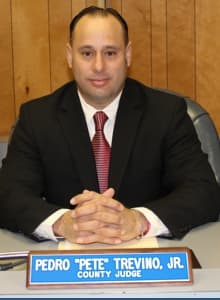
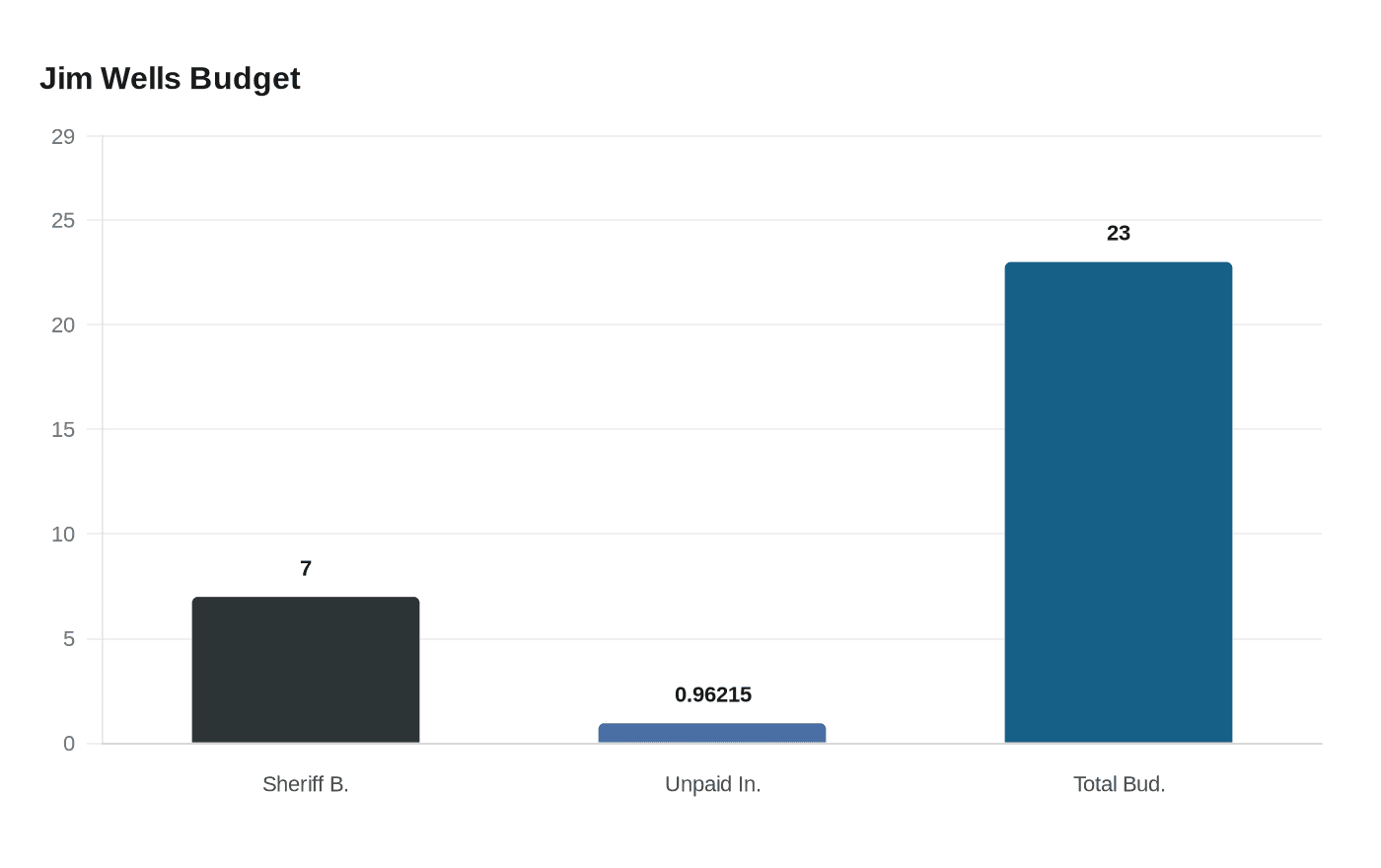
County Judge Pedro "Pete" Trevino Jr. opened the March 13 commissioners court meeting by confronting the delinquent invoices head-on. "Recently, it's come to my attention that the sheriff's office discovered unpaid invoices for inmate housing. These invoices totaled $962,150," Trevino said. The bills cover housing and transporting inmates to Maverick County, a facility more than three hours from Alice, and were carried over into this fiscal year's budget without the court's knowledge. "Because this overage was not brought to the court's attention in time, the county now faces carrying over nine-hundred sixty-two thousand one hundred and fifty dollars into the new budget," Trevino said. "We're starting that much in the negative already."
To put the figure in context, the sheriff's office operates on roughly $7 million annually, the largest single departmental budget in the county. Jim Wells County's overall budget sits at approximately $23 million, meaning the unpaid invoices represent more than four percent of everything the county spends in a year.
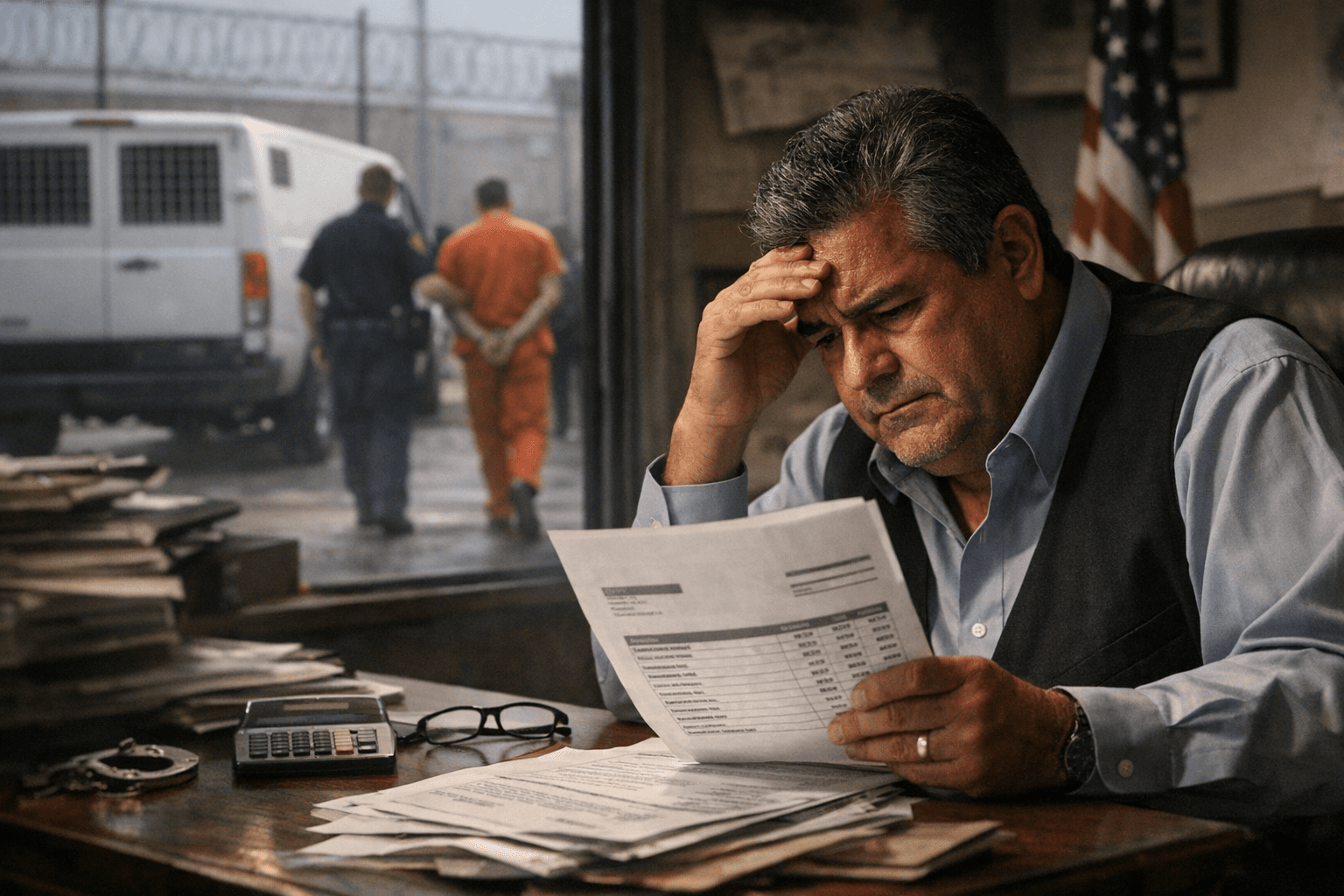
Sheriff Joseph "Guy" Baker appeared before the court to explain how the debt accumulated. Baker attributed the failure to a breakdown in the county's internal financial processes, though neither he nor other officials identified a specific individual or office responsible for the lapse. Baker also described the structural pressures driving transport costs in the first place: the Jim Wells County jail holds only around 70 inmates, and the current building, battered by constant wear and tear and complicated by new legislation, is no longer sufficient for the county's needs. Baker told commissioners that nothing has changed since the jail reached capacity in February 2024 under the previous administration, and that the problem is not going away. He and county officials are now working with an architect to explore options for the facility's future.
Trevino was unambiguous about both accountability and obligation. "We need to make sure whatever the dysfunction was cannot happen again. We have to have 100 percent assurance that this won't happen again," he said. On paying the bill, he added: "Regardless of — we have to pay it and we're going to make the exceptions that we need."
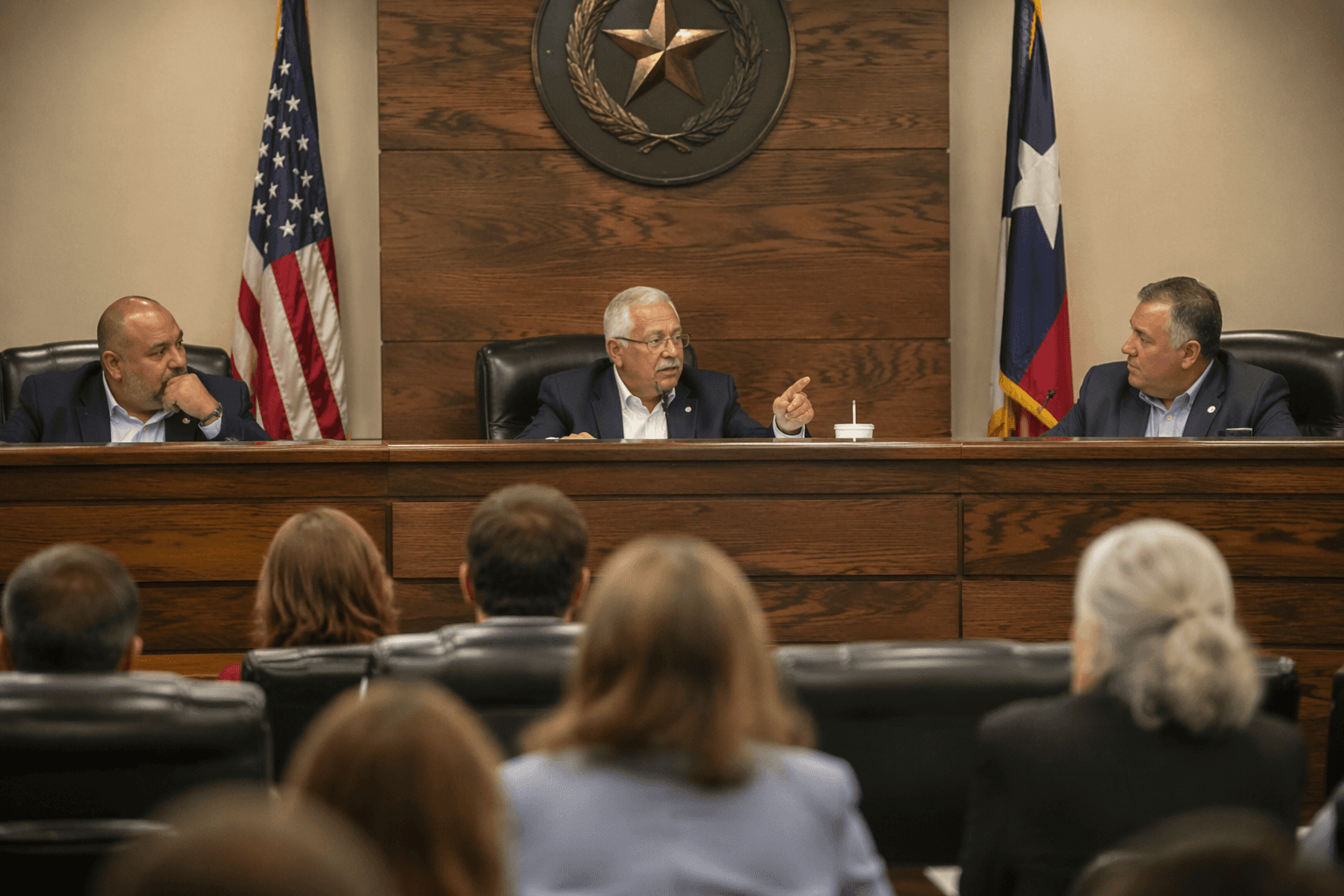
Despite that commitment, commissioners did not vote to pay the delinquent invoices at Friday's meeting. They opted instead to first schedule a meeting with Maverick County officials before taking formal action, leaving the financial mechanics of covering the debt still unresolved as the county heads into its next budget cycle already in the red.
This article was produced by Prism’s automated news system from verified source data, official records, and press releases, then run through automated quality and moderation checks before publishing. The system is built and supervised by the people who set the standards it runs under. Read our full AI policy.
Did this article answer your question?