Jim Wells County faces rush to aquifers as reservoirs fall
A Jim Wells County rancher's dry well shows how falling reservoirs are pushing cities, industry and landowners toward the same underground water.
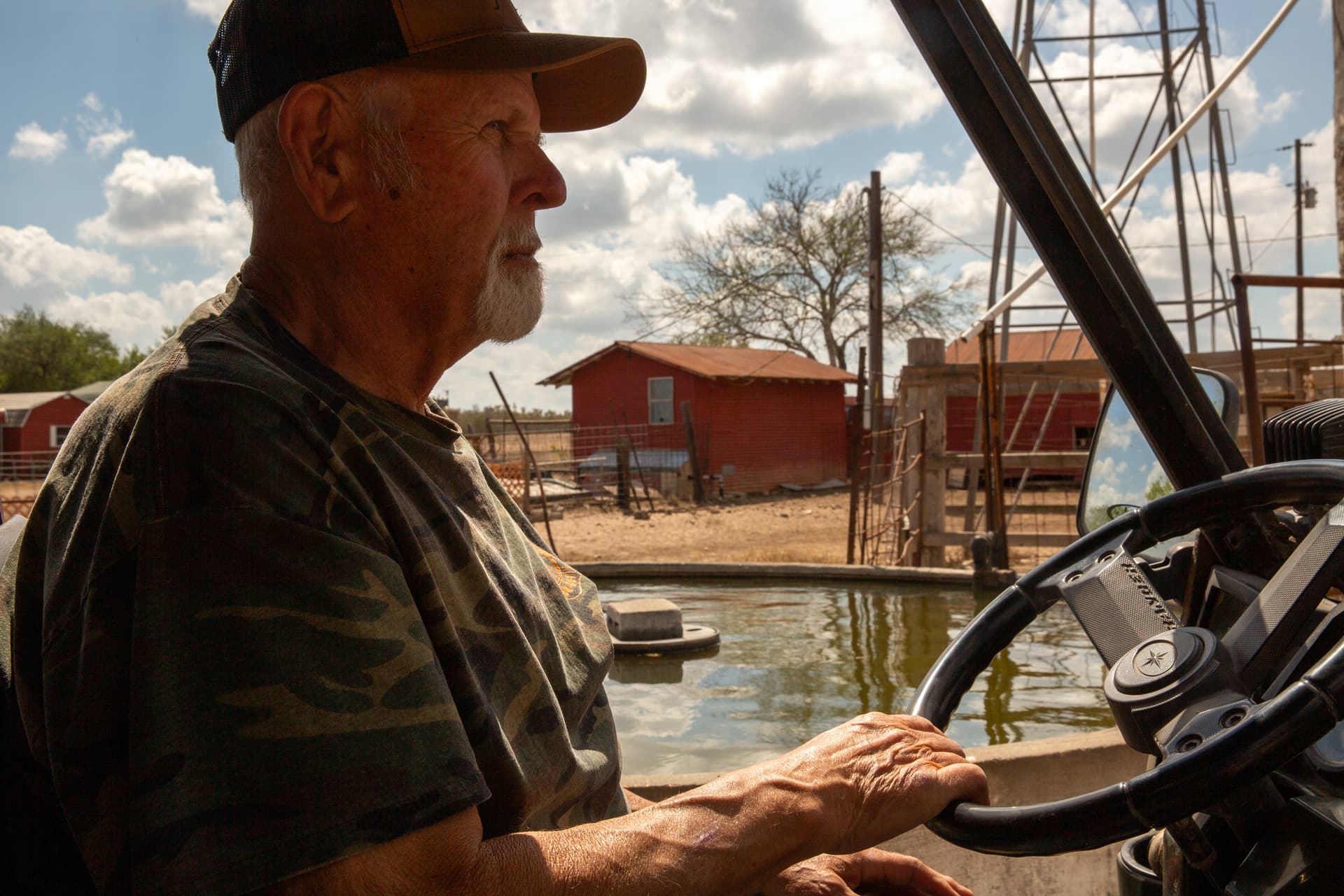
When Bruce Mumme’s well dropped below its pump on family land in rural Jim Wells County, the household went three days without water. He paid thousands of dollars to lower the pump, then later spent $30,000 to add another well as backup, a sign that the region’s water squeeze has moved well beyond policy talk and into the cost of keeping a home running.
Mumme’s experience captures what is happening across South Texas as reservoir levels sink and more users turn to aquifers for relief. Cities, towns, chemical plants and ranchers are all drilling or planning new wells, trying to secure a supply before conditions worsen. Inside Climate News reported that the region’s largest industrial water users are also drilling wells, underscoring how the competition now reaches far beyond municipal systems and into the private land where many rural families depend on shallow groundwater.
Orange Grove sits near the center of that pressure. City officials said the community has relied on one aquifer for about 90 years, and they recorded their largest drawdown on March 24, when water levels fell 17 feet. They also said total dissolved solids had risen to about 1,140, just under the 1,200 threshold they cited as the limit for safe drinking water. On April 3, city leaders hired a hydrogeologist and environmental lawyers, while also weighing emergency options that include buying water from Alice and seeking state help.
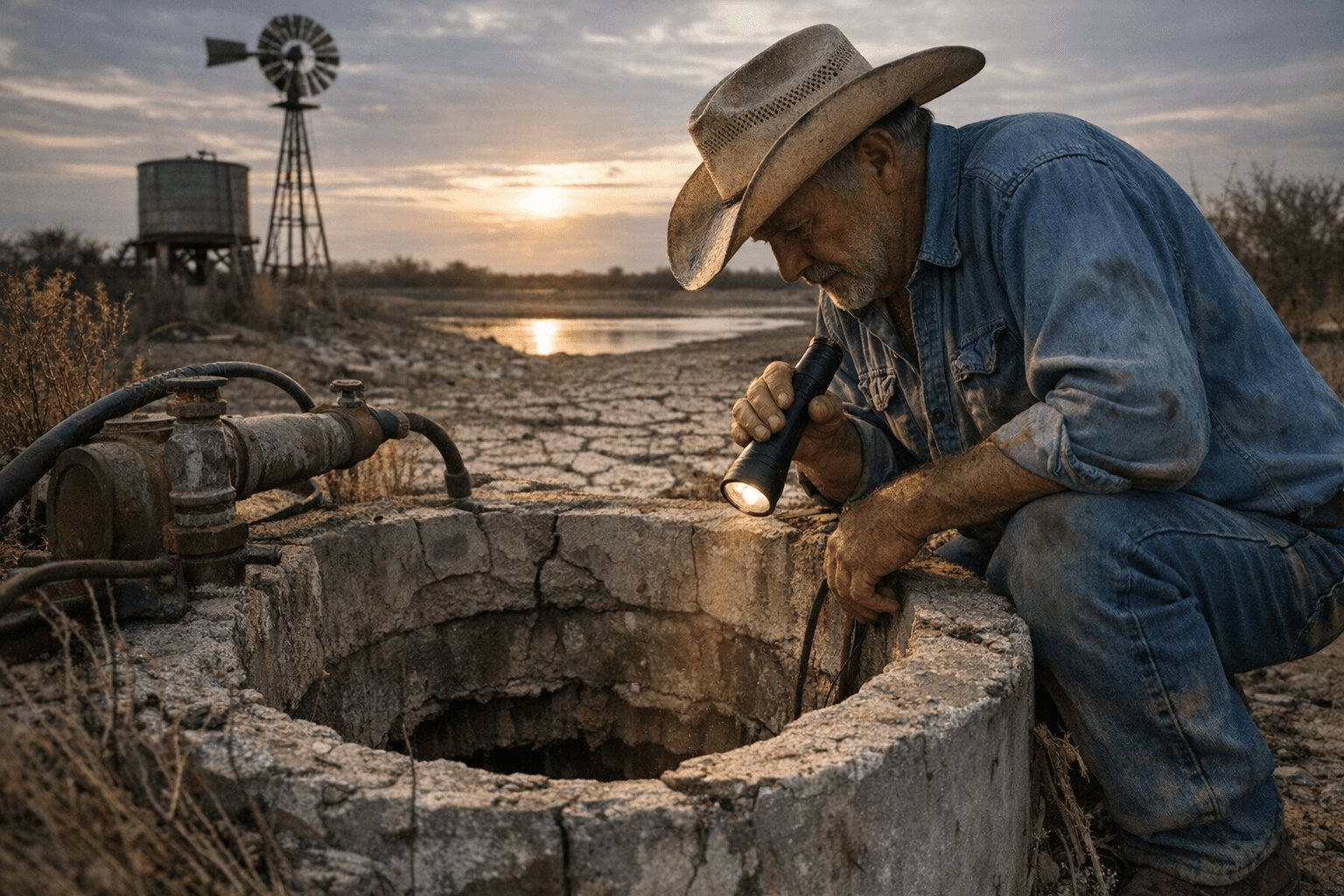
Corpus Christi’s own numbers show why the scramble has intensified. On April 3, Corpus Christi Water reported Lake Corpus Christi at 8.4% capacity, Choke Canyon Reservoir at 7.7%, and combined storage at 7.9%. The utility serves municipal and industrial users across a seven-county area and draws from Lake Corpus Christi, Choke Canyon Reservoir, Lake Texana and the Mary Rhodes Pipeline system. Its 2025 drought plan says a Level 1 Water Emergency is triggered when the city is 180 days from failing to meet demand, with curtailment targets of 25% for Level 1 and 50% for Level 2. The April 3 memo said the city was advancing groundwater, wastewater reuse, seawater and surface-water projects, and targeting partial delivery from the Evangeline Groundwater Project in November 2026 at an estimated 4 million gallons a day.
The political stakes are rising with the pumping itself. The San Patricio Groundwater Conservation District has set an administrative law judge hearing for April 28 on three protests tied to wells or transport permits, a reminder that the next water fight will be fought in permits, hearings and aquifer models as much as at the reservoir bank. Corpus Christi, which says it adopted Texas’ first combined water conservation and drought contingency plan in 1986, is now trying to avoid a Level 1 emergency that its own dashboard says could arrive in May or October, depending on rain, demand and project timing.
This article was produced by Prism’s automated news system from verified source data, official records, and press releases, then run through automated quality and moderation checks before publishing. The system is built and supervised by the people who set the standards it runs under. Read our full AI policy.
Did this article answer your question?