Jim Wells County report highlights Alice airport’s 6,000-foot runway
A 6,000-foot runway makes Alice International more than local pavement: it supports emergency flights, business travel and wildfire response while Corpus Christi handles daily airline service.
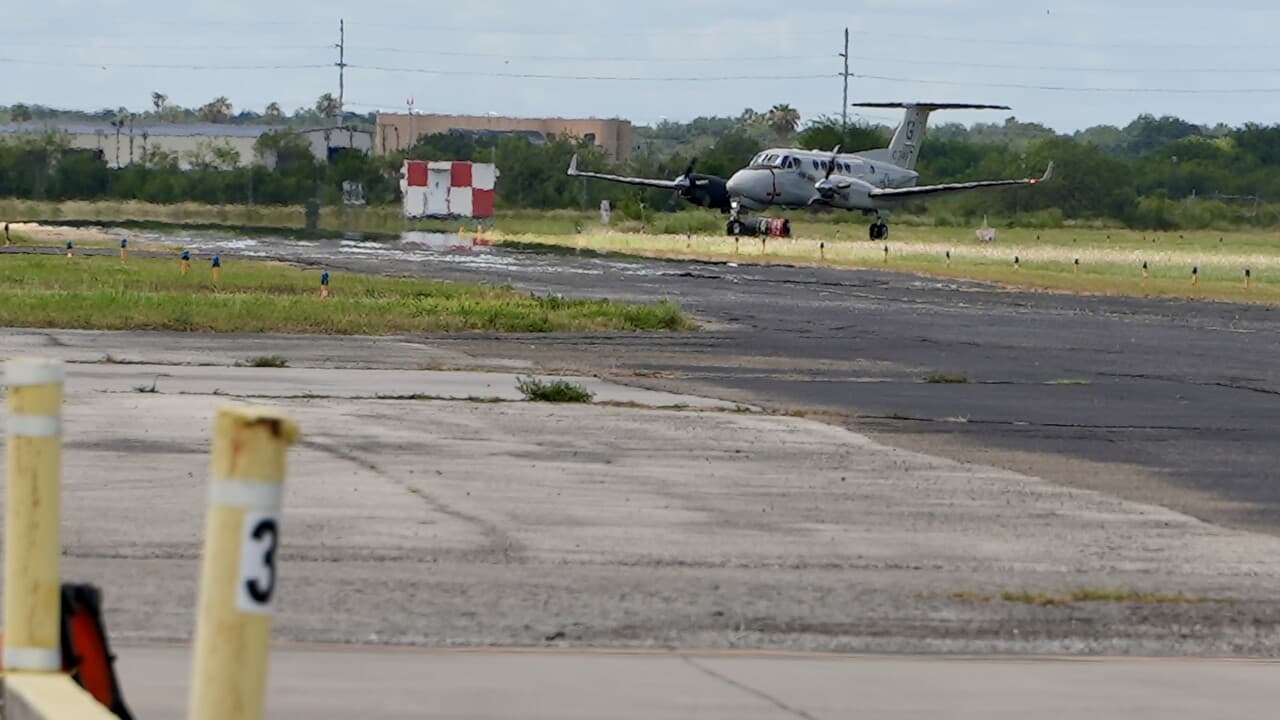
A county financial report can sound like bookkeeping, but Jim Wells County’s latest annual report puts Alice International Airport in the middle of the region’s transportation story. The report says the airport has a 6,000-foot runway, while Corpus Christi International Airport, about 35 minutes east of Alice, provides daily passenger and commercial service. Put together, those details show why the airport matters here: it gives Jim Wells County its own aviation capacity even as the main airline gateway sits in the next county.
What the county report shows
The airport appears in Jim Wells County’s 2024 Annual Comprehensive Financial Report, the latest version surfaced in search results, for the fiscal year ended December 31, 2024. That matters because a financial report is not a promotional brochure. When it identifies Alice International Airport as a county asset with a 6,000-foot runway, it is describing infrastructure the county actually maintains and counts on.
Alice International Airport is listed by the Federal Aviation Administration as ALI, commonly KALI, and as an operational public-use airport in Jim Wells County, Texas. FAA data put it at an elevation of about 178.2 feet, and Apple Maps places it about three miles southeast of Alice at 1300 Airport Rd., Alice, TX 78332. Apple Maps also says the airport is owned by the city and county, which fits its role as shared local infrastructure rather than a private airfield.
Why 6,000 feet changes what the airport can do
Runway length is not just an aviation measurement. In a rural county, 6,000 feet means more margin for aircraft that need additional distance to take off or land than a shorter strip can offer. That can broaden the airport’s usefulness for business aviation, medical transport, training flights and emergency operations, even when no scheduled airline serves the field.
That practical value helps explain why Alice International Airport remains relevant even with Corpus Christi International Airport nearby. Corpus Christi’s airport provides the daily passenger and commercial service Jim Wells County residents need for regular airline travel, but Alice gives the county its own local runway for trips, missions and aircraft movements that do not fit neatly into the commercial airport model. The two airports serve different jobs, and that division is part of the county’s transportation resilience.
Who uses the airport
Local airfields like Alice International typically serve a mix of users, and the facts tied to this airport show that pattern clearly. A KRIS 6 News report said state aviation officials launched a study to measure the airport’s impact and noted uses including Navy training and wildfire response. Those are not abstract benefits. They point to an airport that can support operational needs when speed and local access matter.

The airport’s place in the National Plan of Integrated Airport Systems for 2011-2015 as a general aviation facility reinforces that role. General aviation covers private flying, business travel, flight training, medical transport and other non-airline operations. For Jim Wells County, that means the airport can serve people moving between Alice, Premont, Orange Grove, San Diego, Ben Bolt and surrounding South Texas communities without sending every trip through a crowded commercial terminal.
What the county gains from having it nearby
A local runway gives the county more than convenience. It can improve access for emergency aircraft, support regional employers that need faster travel options, and help keep aviation-related activity in the county instead of pushing every flight to Corpus Christi. For business recruitment, that matters because companies often look for reliable transportation options for executives, inspectors and technicians, especially when their work touches multiple South Texas locations.
The airport also has value in disaster response. Wildfire response needs aircraft access, turnaround space and coordination close to the affected area, and the KRIS 6 report specifically tied Alice International to that function. In a county where farmland, roads and towns are spread out across a broad service area, having a field that can support emergency missions gives local officials another tool when weather, fire or other disruptions strain ground access.
A local airport with deeper roots
Alice International is not new to the region’s aviation story. Aviation reference material shows that Trans-Texas operated Douglas DC-3 flights from Alice in 1950 and 1951, a reminder that the airfield has served the community in more than one era. Today it is not an airport of entry for customs, which underscores that its role is regional rather than international, but its usefulness is local and practical.
The airport’s location also helps explain its value. Being about three miles southeast of Alice keeps it close enough for fast access from town while leaving room for aviation activity away from the city center. That proximity matters to pilots, public agencies and private users alike, because the airport functions as part of the county’s everyday infrastructure, not as a distant specialty facility.
For Jim Wells County, the main takeaway is simple: Alice International Airport is a working asset with a runway long enough to matter. It complements, rather than competes with, Corpus Christi International Airport by giving the county its own capacity for business travel, emergency operations, training and response when South Texas needs local access more than a commercial terminal.
This article was produced by Prism’s automated news system from verified source data, official records, and press releases, then run through automated quality and moderation checks before publishing. The system is built and supervised by the people who set the standards it runs under. Read our full AI policy.
Did this article answer your question?