Jim Wells County urges residents to prepare for hurricane season
Jim Wells County’s Be Alert hub gives households one place to check alerts, save emergency contacts, and prep before the next hurricane, outage, or severe-weather notice.
Hurricane season runs from June 1 through November 30, and Jim Wells County’s Be Alert hub tells residents to prepare before the next storm clouds build. It puts weather awareness, emergency readiness, and public safety reminders in one place, so households in Alice, Orange Grove, Premont, and San Diego can check what matters quickly when conditions change. The county says one storm can cause major damage.
Start with the county’s alert hub
Jim Wells County built Be Alert! Jim Wells County as a practical preparedness page, not a decorative warning banner. The site is organized around the basics people need when weather turns fast: Home, Alerts, Weather, Resources, Calendar, Contact, and a Hurricane Guide tied to National Weather Service Coastal Bend hurricane information.
Jim Wells County launched Be Alert on June 24, 2026, to keep residents informed during emergencies. Officials said it was designed to keep citizens and local officials connected with real-time updates and important notifications during emergencies or disasters. For Alice, and for smaller communities spread across Jim Wells County’s rural roads, a single central hub gives residents one place to find what is happening and what to do next.
Save the contact information now, before the phones go down
Jim Wells County Emergency Management lists Lance Brown as Emergency Management Coordinator, and his office is at 200 N. Almond Street, Ste. B-109 in Alice, Texas 78332. The office hours are Monday through Friday, 8:00 a.m. to 12:00 p.m. and 1:00 p.m. to 5:00 p.m. The listed phone number is 361-668-5803, and the mobile number is 361-460-1806.
That information is worth saving in two places: on your phone and somewhere you can reach it if the power fails. If a storm knocks out service, a flooded road closes your usual route, or a generator issue needs local guidance, those numbers are the county’s direct line for emergency management. In a county with about 38,800 residents in 2025, keeping that contact data close is a simple step that can save time when everyone is trying to get the same answers at once.
Use the all-hazards guide as your household checklist
The county’s All Hazards Guide makes one point especially clear: the first 72 hours are up to residents. That means families should not wait for county crews to solve everything in the first critical stretch after a storm or outage. The guide covers more than hurricanes, because Jim Wells County’s risk profile includes shelter issues, STEAR and special needs planning, utility tips, electricity outages, generator usage, after-storm hazards, thunderstorms and lightning, heat emergencies, cold weather recommendations, seasonal influenza, and tornadoes.
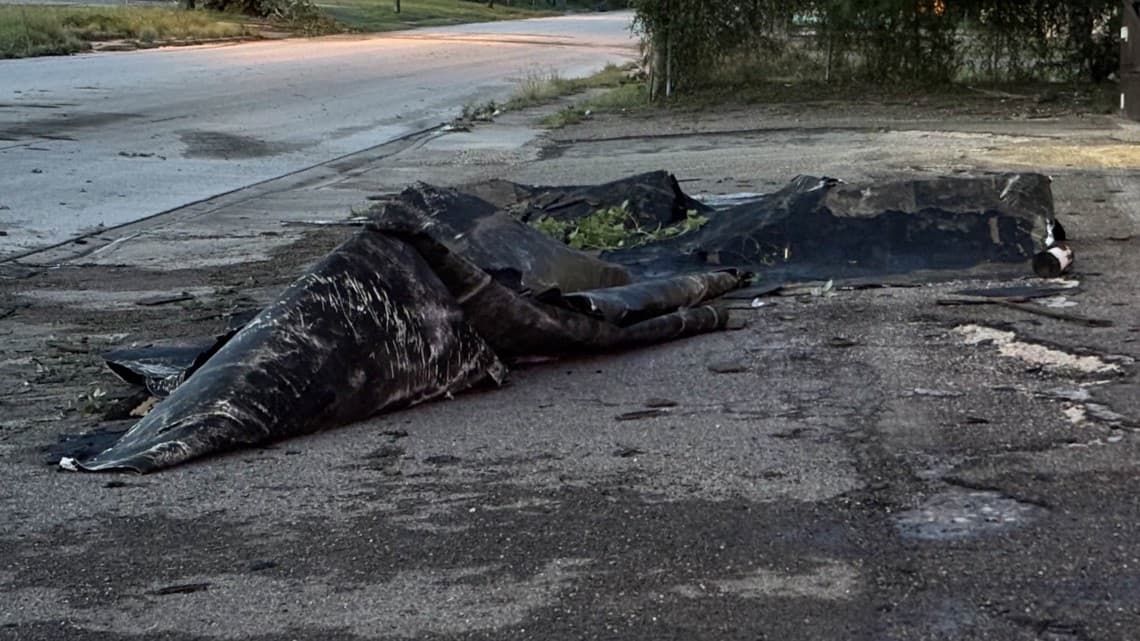
A storm can bring flooded roads, wind damage, and utility failures all in the same event, then leave behind lingering dangers such as downed lines, unsafe water access, or extreme heat after the rain passes. The county guide also points residents to the Saffir-Simpson wind scale, which helps families understand what stronger wind categories can mean for homes, vehicles, and travel.
What to check, save, and bookmark today
A good readiness plan for Jim Wells County starts with a few concrete actions that can be done in minutes, not hours.
- Open the Be Alert hub and bookmark the Alerts, Weather, Resources, and Contact pages.
- Save the county Emergency Management office number, 361-668-5803, and the mobile number, 361-460-1806.
- Keep the county office address, 200 N. Almond Street, Ste. B-109 in Alice, Texas 78332, with your emergency papers.
- Read the All Hazards Guide and note the sections on shelter issues, power outages, generator safety, and after-storm hazards.
- Review the county’s hurricane guide link to the National Weather Service Coastal Bend information.
- Pay special attention to the guide’s STEAR and special needs material if someone in your household needs extra support during evacuation or outages.
- Check supplies for the first 72 hours, because the county guide puts that responsibility on residents.
These steps are especially useful for families balancing school pickup, work shifts, medication schedules, livestock, or long drives between rural parts of the county. When a storm or outage hits, there is little time left to search for the right phone number or figure out which page has the shelter information.
Why the county’s warning is aimed at everyday weather, not just major hurricanes
The county’s guidance covers thunderstorms, lightning, heat emergencies, and cold weather along with hurricane season. The National Weather Service Corpus Christi publishes Coastal Bend hurricane guidance, and Jim Wells County links its hurricane guide to that material.
Road flooding, utility disruptions, and fast-changing forecasts can turn ordinary errands into emergencies. The county’s Be Alert hub is built to help residents move from reaction to preparation, with one place to check updates, one set of emergency contacts to save, and one guide that treats hurricanes as part of a wider year-round hazard profile.
This article was produced by Prism’s automated news system from verified source data, official records, and press releases, then run through automated quality and moderation checks before publishing. The system is built and supervised by the people who set the standards it runs under. Read our full AI policy.
Did this article answer your question?