Lake Corpus Christi rises to 33%, easing drought concerns in Jim Wells County
Lake Corpus Christi climbed to 32.9% full, but Stage 3 drought restrictions stayed in place. Jim Wells County still faces conservation planning, not relief.

Lake Corpus Christi reached 32.9% full on July 20, but Corpus Christi Water kept Stage 3 drought restrictions in place, so Jim Wells County still faces the same conservation rules and supply planning. The lake sits four miles west of Mathis at the intersection of the Live Oak, San Patricio and Jim Wells county lines on the Nueces River, making its level a direct concern for nearby residents, farms and businesses.
The number matters because it is still a shortage figure, not a recovery point. Water Data For Texas also showed the Corpus Christi area’s monitored water supply reservoirs at 27.5% full that same day, which leaves the region well below normal operating comfort. Corpus Christi Water’s public dashboard says Stage 3 drought restrictions are in effect, and the city’s drought materials describe Stage 3 as a critical water shortage. A city fact sheet dated June 24 says those restrictions began in December 2024.
For Jim Wells County, the practical change is limited for now. A rise to 33% can ease some anxiety and improve short-term outlooks, but it does not erase drought rules or end the need for careful water use. City leaders have said rising reservoir levels could move Corpus Christi closer to easing back to Stage 2, but the public materials still show Stage 3 as the active condition. Any meaningful relief will depend on continued inflow, not a one-day bump.
That is why rain in the Hill Country matters so far downstream. Water that falls upstream eventually feeds the Nueces system and Lake Corpus Christi, and those flows can improve drinking water supply, agriculture and recreation. Earlier reporting noted that Choke Canyon and Lake Corpus Christi could keep dropping even after heavy Hill Country rain, a reminder that the watershed does not respond instantly to storms.
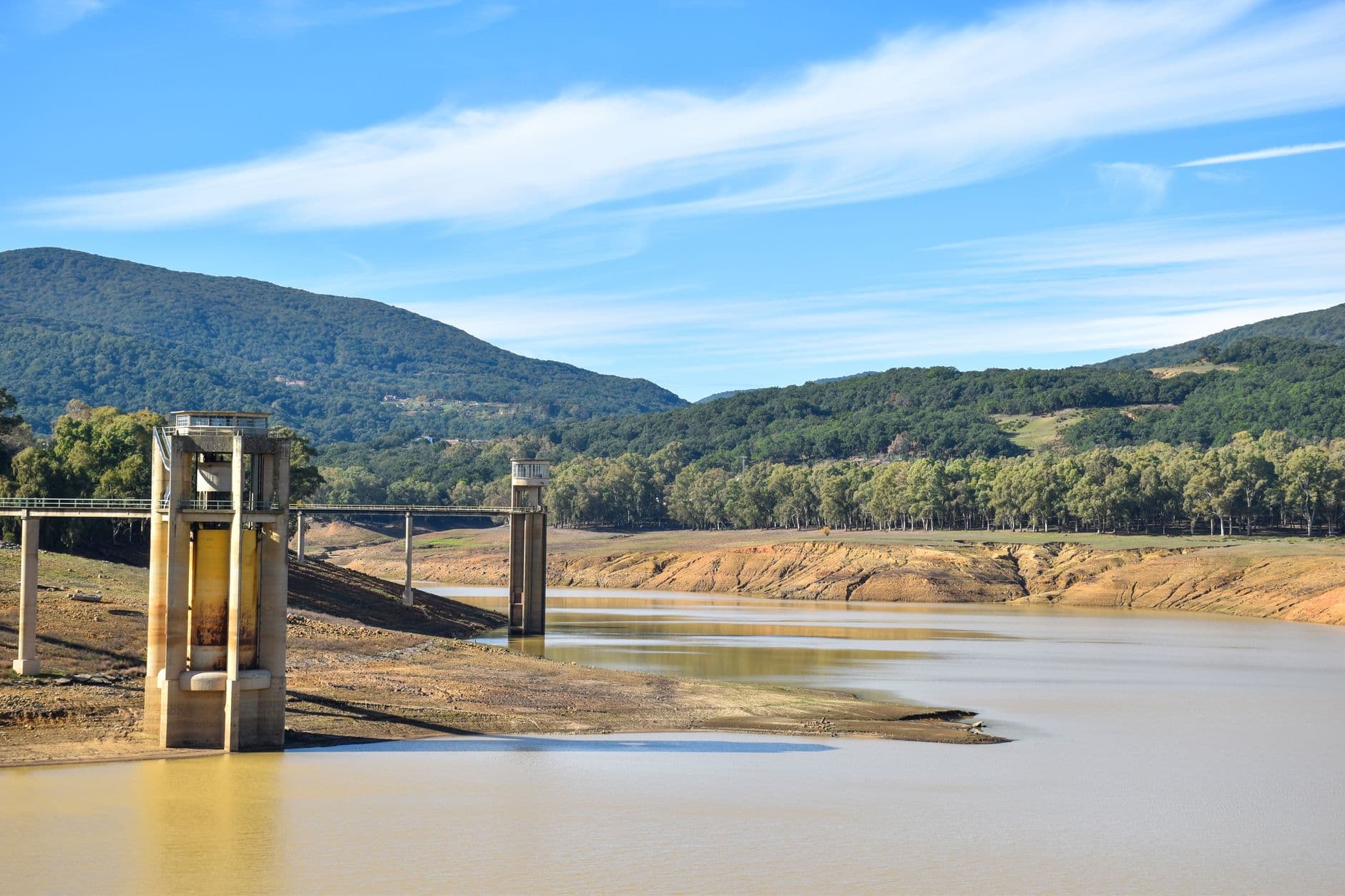
Corpus Christi Water is also planning beyond the reservoirs. Its July 10 water-supply update says the utility is advancing multiple projects to add new supply sources, including groundwater, wastewater reuse, seawater and surface water. The Evangeline Groundwater Project appears in both the July 2 and July 10 memos as part of that push to diversify supply.
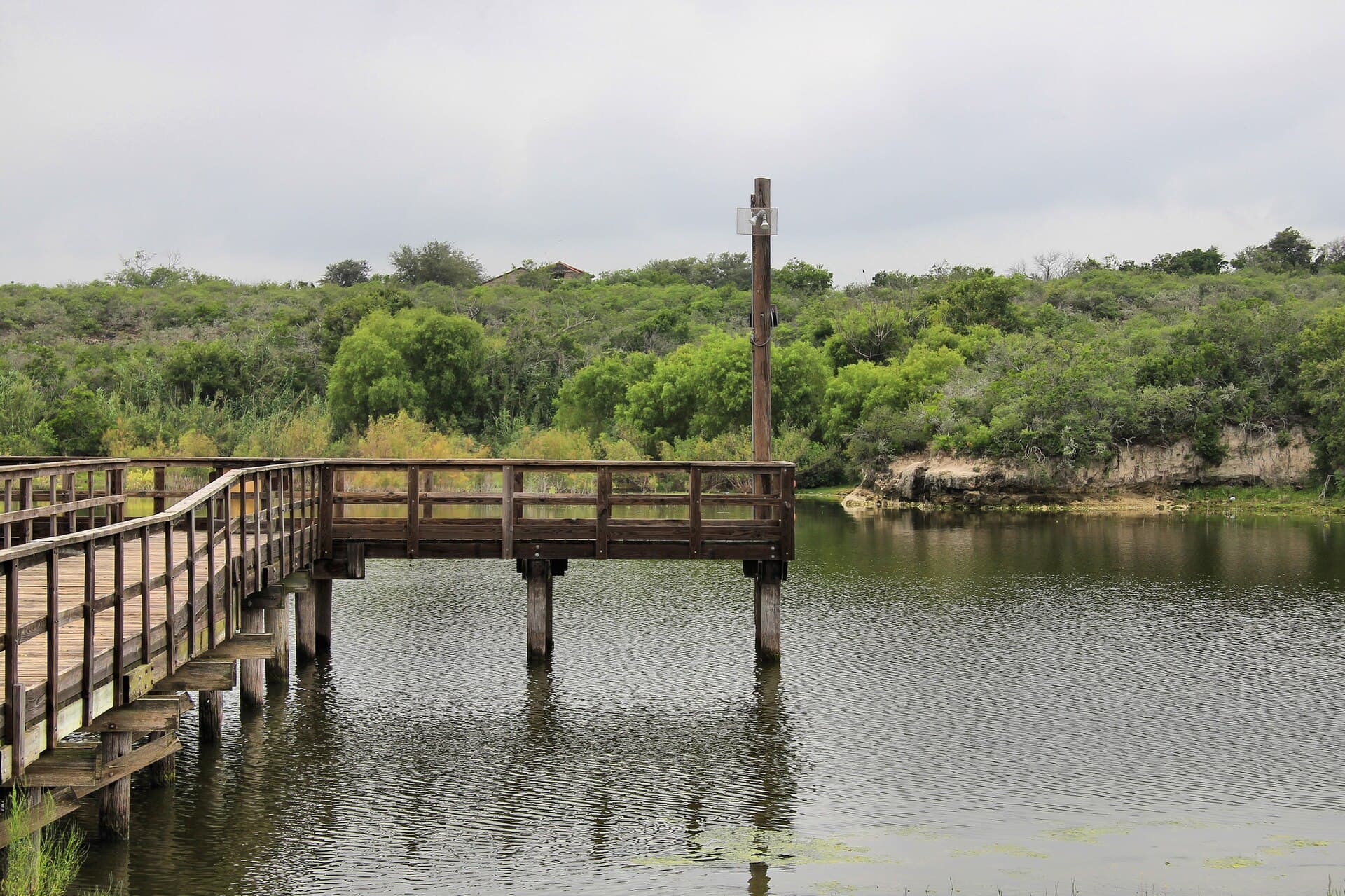
The lake’s swings have exposed more than just water concerns around the shoreline. Low levels have revealed bridges, roads and remnants of a 1930s boathouse, underscoring how quickly the reservoir can turn from a supply gauge into a visible marker of drought across the county line.
This article was produced by Prism’s automated news system from verified source data, official records, and press releases, then run through automated quality and moderation checks before publishing. The system is built and supervised by the people who set the standards it runs under. Read our full AI policy.
Did this article answer your question?